Kenya’s Former Prime Minister Raila Odinga Dies in Kerala Hospital
Post By Diaspoint | October 15, 2025
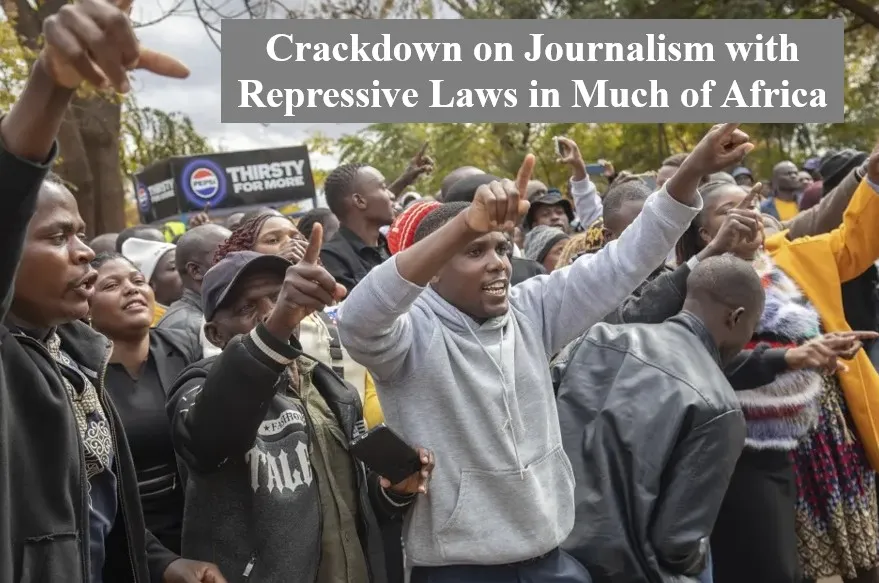
Zimbabwe’s media landscape is facing an alarming deterioration, marked by arrests, intimidation, and a growing arsenal of repressive laws designed to suppress dissent.
The latest flashpoint is the trial of Zimbabwe Independent editor Faith Zaba, charged with “insulting or undermining the President” over a satirical column. Alongside her, Alpha Media Holdings editor-in-chief Kholwani Nyathi and HSTv head Blessing Mhlanga also face prosecution, Mhlanga for allegedly “inciting violence” after airing a critical political statement. Convictions carry prison sentences of up to five years.
These cases underscore a broader strategy: journalism is increasingly treated as a criminal act. Reporters face surveillance, arbitrary arrests, prolonged pre-trial detention, and routine harassment.
Mhlanga spent 72 days in detention, while Zaba, despite being ill and voluntarily surrendering was held for three nights. Amnesty International and media bodies have condemned the arrests.
Draconian legislation has become central to the crackdown. The Cybersecurity and Data Protection Act, the Criminal Law (Codification and Reform) Act, and the 2023 amendments criminalising actions “injuring the sovereignty” of Zimbabwe provide sweeping powers to silence critical reporting.
The Interception of Communications Act gives state agencies broad authority to monitor calls and online communication, fuelling self-censorship as journalists fear surveillance and arrest.
The state has also moved to control non-profit media through the newly tightened Private Voluntary Organisation (PVO) Act. Independent outlets must register as PVOs under strict conditions that allow the government to vet board members, seize assets, or dissolve organisations outright. Media advocates warn that this destroys editorial autonomy and endangers donor-funded investigative journalism—previously a lifeline for exposing corruption.
Reporters recount direct threats: a major investigation into military housing corruption was abandoned under pressure from the army and government officials, forcing the lead journalist into hiding. Meanwhile, prosecutions based on vague “false news” or “incitement” clauses continue despite a 2014 ruling against criminal defamation.
Legal experts, journalists’ unions, and press freedom groups say Zimbabwe’s legal environment is engineered to erode constitutional guarantees of media freedom. They warn of a “shrinking space” for independent journalism and a deliberate regression of democratic norms, as fear and self-censorship now permeate newsrooms.
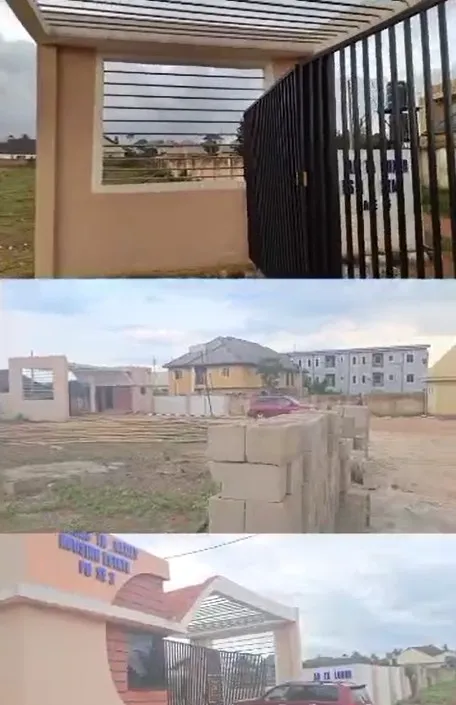
Price:
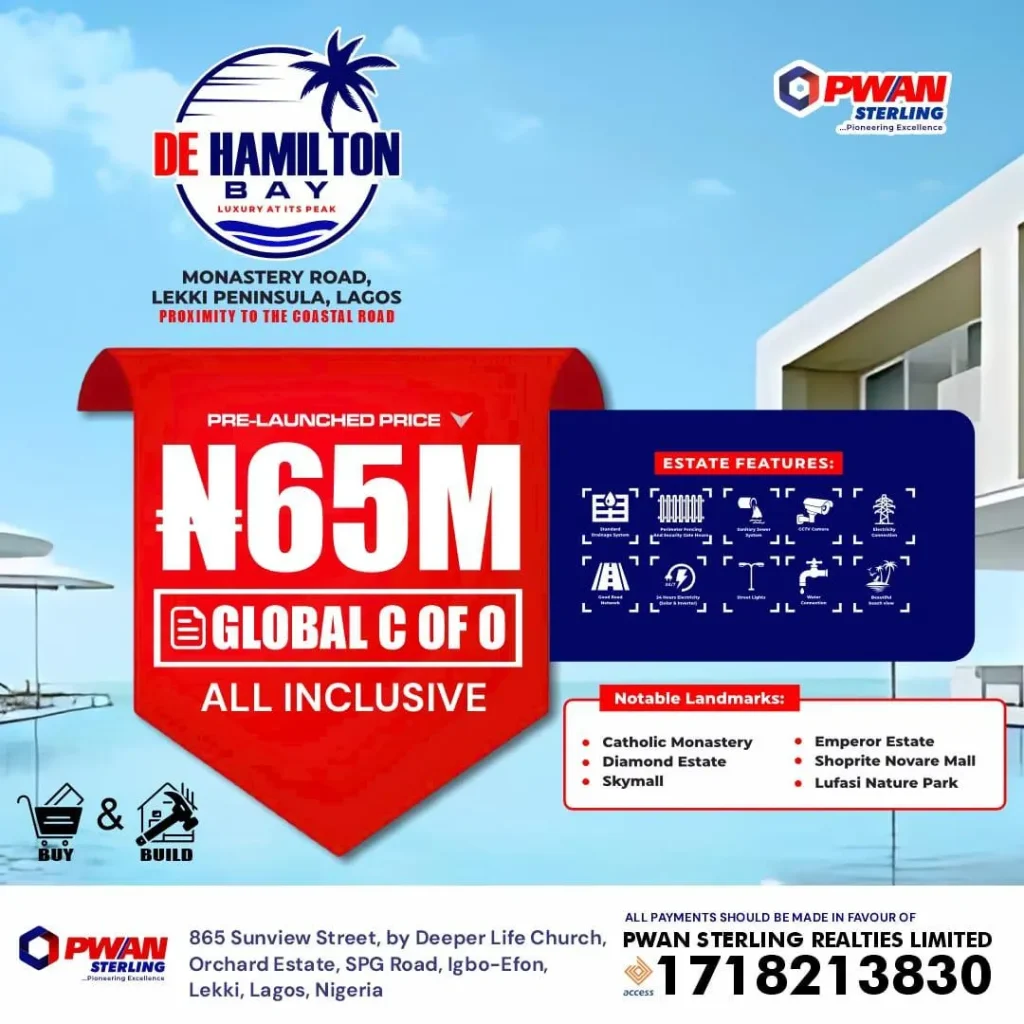
Location: Monastery Road, Lekki Peninsular, Lagos
Price: #65 Million Naira
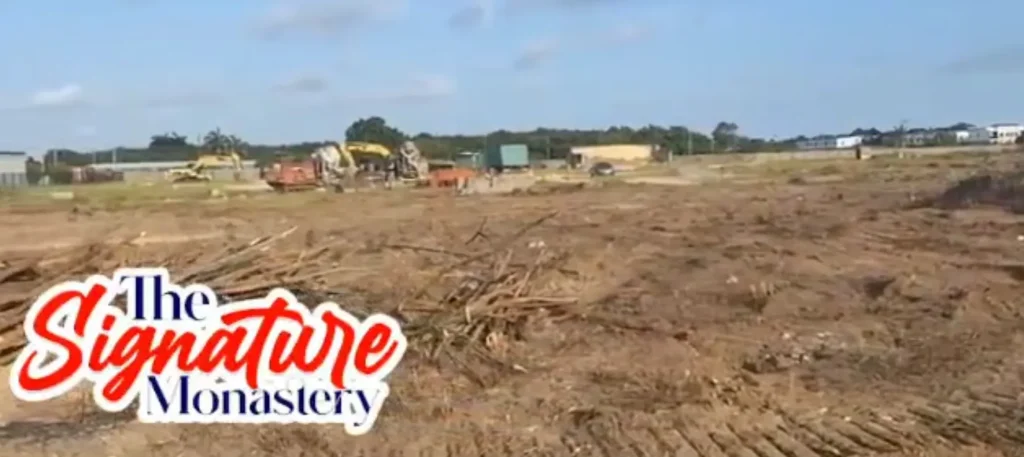
Lekki–Epe Expressway (Just by Shoprite Sangotedo)
Price: #100 million Naira
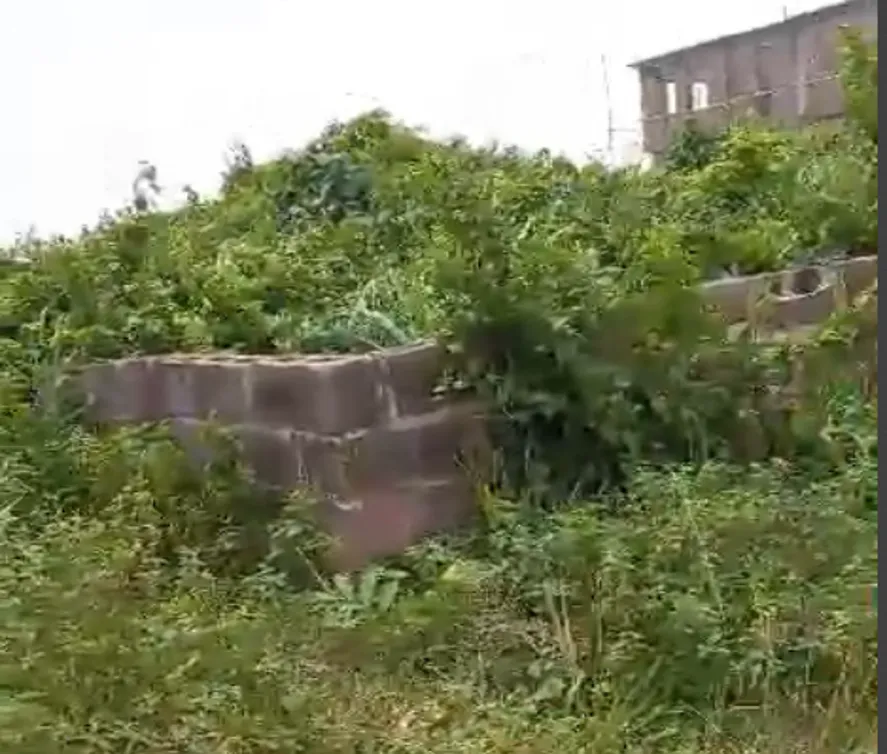
Gudugba-Ogun State – Contac t Usshort drive from Isheri, Lagos State
Price: #20 Million Naira /Negotiable