Again, Church Worshippers Abducted by Gunmen in Benue State
Post By Diaspoint | February 9, 2026
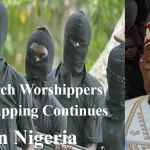
Two Republican lawmakers in the United States, Riley Moore and Chris Smith, have introduced a bill titled the Nigeria Religious Freedom and Accountability Act of 2026, seeking sanctions against former Kano State governor Rabiu Kwankwaso and Fulani-linked groups, including Miyetti Allah Cattle Breeders Association of Nigeria (MACBAN) and Miyetti Allah Kautal Hore.
The proposed legislation calls for visa bans, asset freezes, and other targeted sanctions under the Global Magnitsky Act, alleging involvement in or support for violence linked to Fulani ethnic militias. It also seeks to designate such militias as foreign terrorist organisations and require annual US reports on Christian persecution in Nigeria.
The bill cites claims that tens of thousands of Christians have been killed between 2009 and 2025, referencing data from the International Society for Civil Liberties and Rule of Law (Intersociety).
The legislation also highlights cases involving Nigeria’s blasphemy laws, including the 2022 killing of Deborah Yakubu in Sokoto and the death sentence handed to musician Yahaya Sharif-Amin in Kano.
If passed by Congress and signed by President Donald Trump, the bill would impose sanctions and frame religious violence in Nigeria as a threat to US national security and foreign policy interests. It is unclear why Mr Kwankwaso, who has not held public office since 2019, was specifically included in the proposal.
It is important to note that over the years, several northern Nigerian politicians have been named in local and international reports alleging links; direct or indirect to militant groups operating in the country.
Allegations have ranged from claims of financial support to accusations of political protection or silence in the face of extremist violence. Even senior public officials, including the current vice president, have been mentioned in public discourse and media commentary.
Critics also argue that many of the northern politicians who have faced accusations are either of Fulani origin or are perceived to be politically aligned with powerful Fulani interests, allegedly in pursuit of rapid political advancement. While such claims remain politically charged and often contested, they reflect a growing public perception that ethnic loyalty and political ambition may be influencing responses to insecurity.
The intersection between political power and insecurity in Nigeria is complex and deeply troubling. Where allegations persist without transparent investigation or accountability, public trust erodes.
Addressing terrorism in Nigeria therefore requires not only confronting armed groups, but also ensuring credible, independent scrutiny of any political figures suspected of enabling or shielding violent actors.
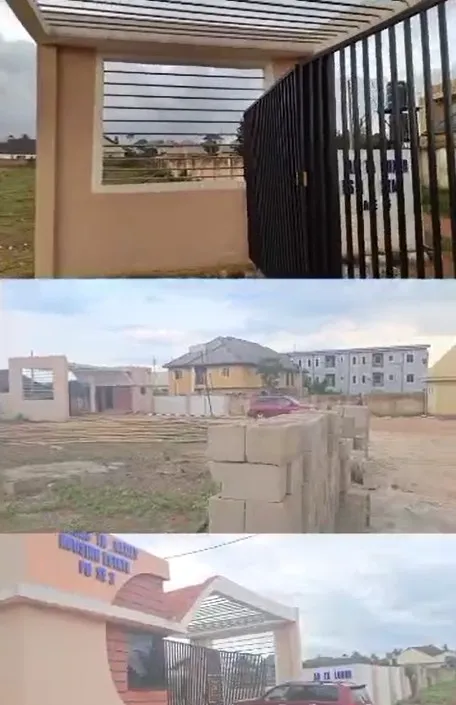
Price:
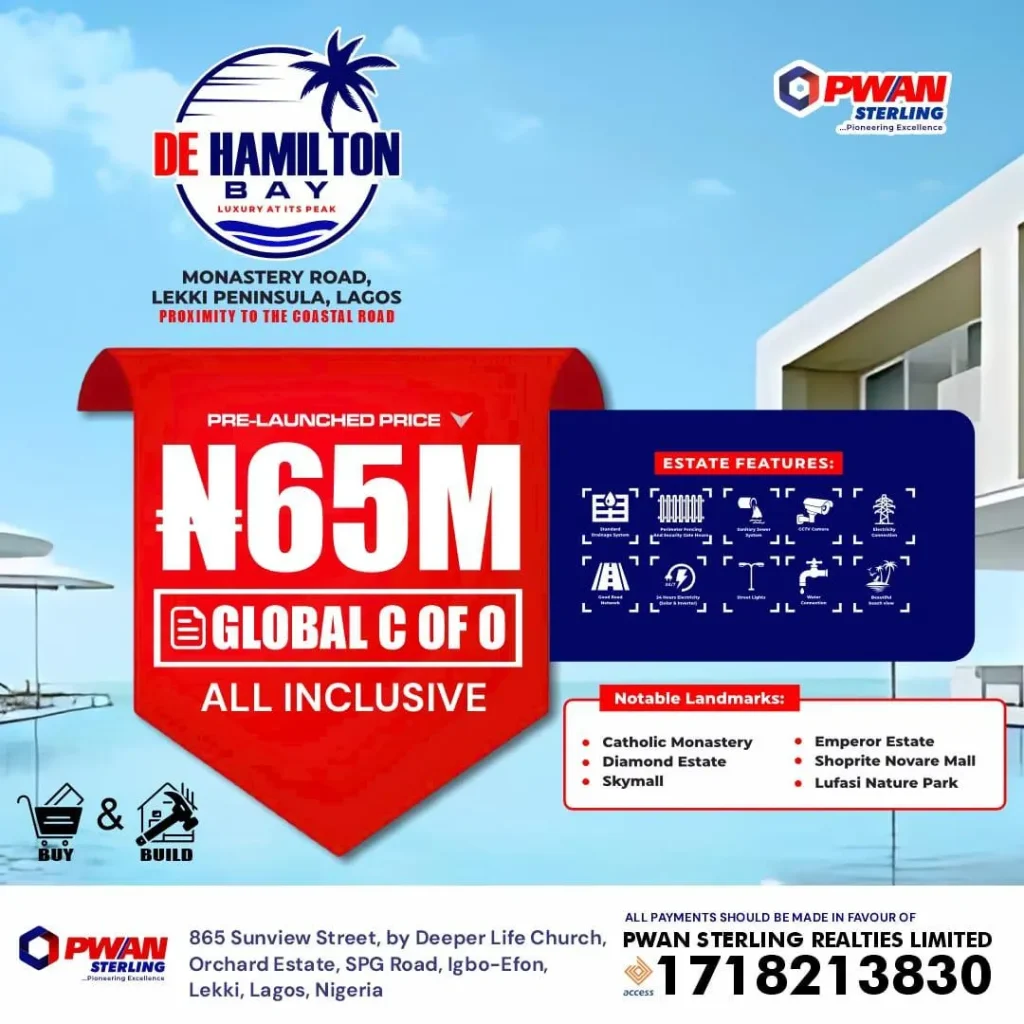
Location: Monastery Road, Lekki Peninsular, Lagos
Price: #65 Million Naira
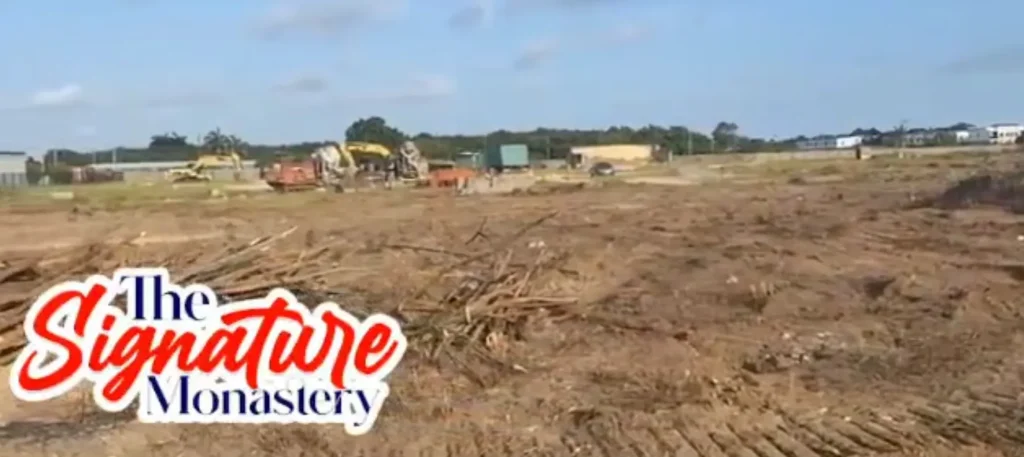
Lekki–Epe Expressway (Just by Shoprite Sangotedo)
Price: #100 million Naira
Gudugba-Ogun State – Contac t Usshort drive from Isheri, Lagos State
Price: #20 Million Naira /Negotiable