Madagascar President Warns of Coup Attempt as Soldiers Join Protests
Post By Diaspoint | October 12, 2025
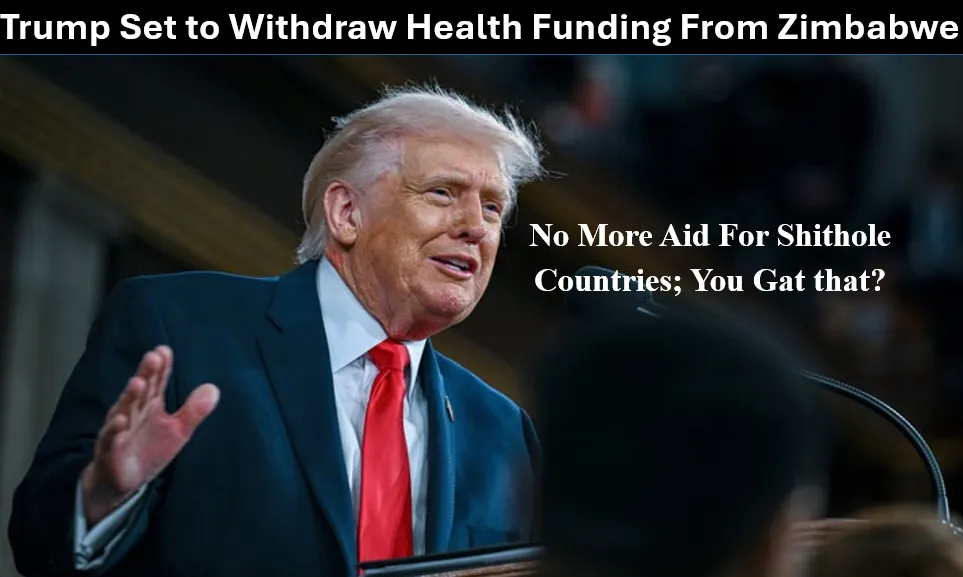
The United States has announced plans to wind down health assistance to Zimbabwe after negotiations over a proposed $367 million five-year bilateral funding agreement collapsed.
The U.S., Zimbabwe’s largest bilateral health donor since 2006 with nearly $2 billion in support provided, said the failed deal would have funded key programs including HIV/AIDS treatment, tuberculosis, malaria, maternal and child health, and epidemic preparedness. U.S. Ambassador Pamela Tremont described the decision as “difficult and regrettable,” noting that about 1.2 million Zimbabweans currently receive HIV treatment through U.S.-backed programs.
Zimbabwean authorities, however, said the proposal included conditions they could not accept. Government spokesperson Nick Mangwana stated that the agreement required broad access to sensitive national health data, including virus samples and epidemiological information, without guaranteed reciprocal access to resulting medical innovations such as vaccines or treatments. President Emmerson Mnangagwa subsequently directed that negotiations be terminated.
The move has raised concerns among health professionals, who warn that an abrupt end to U.S. support could disrupt HIV treatment, increase transmission risks, and strain Zimbabwe’s public health system. The funding dispute comes amid broader shifts in U.S. global health policy, including a move toward bilateral “America First” agreements and reduced multilateral engagement.

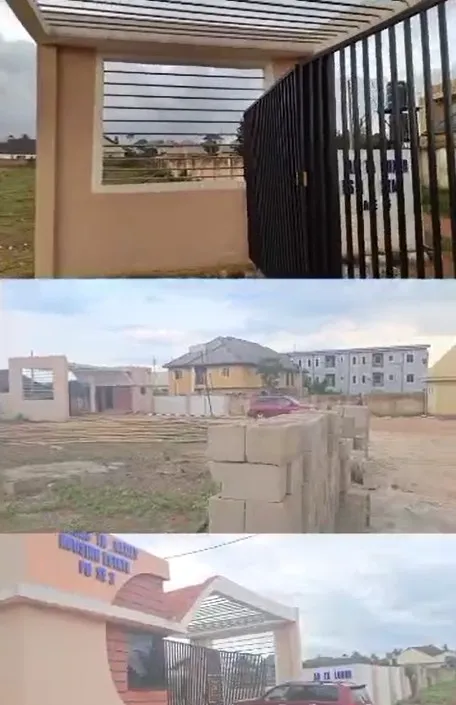
Price:
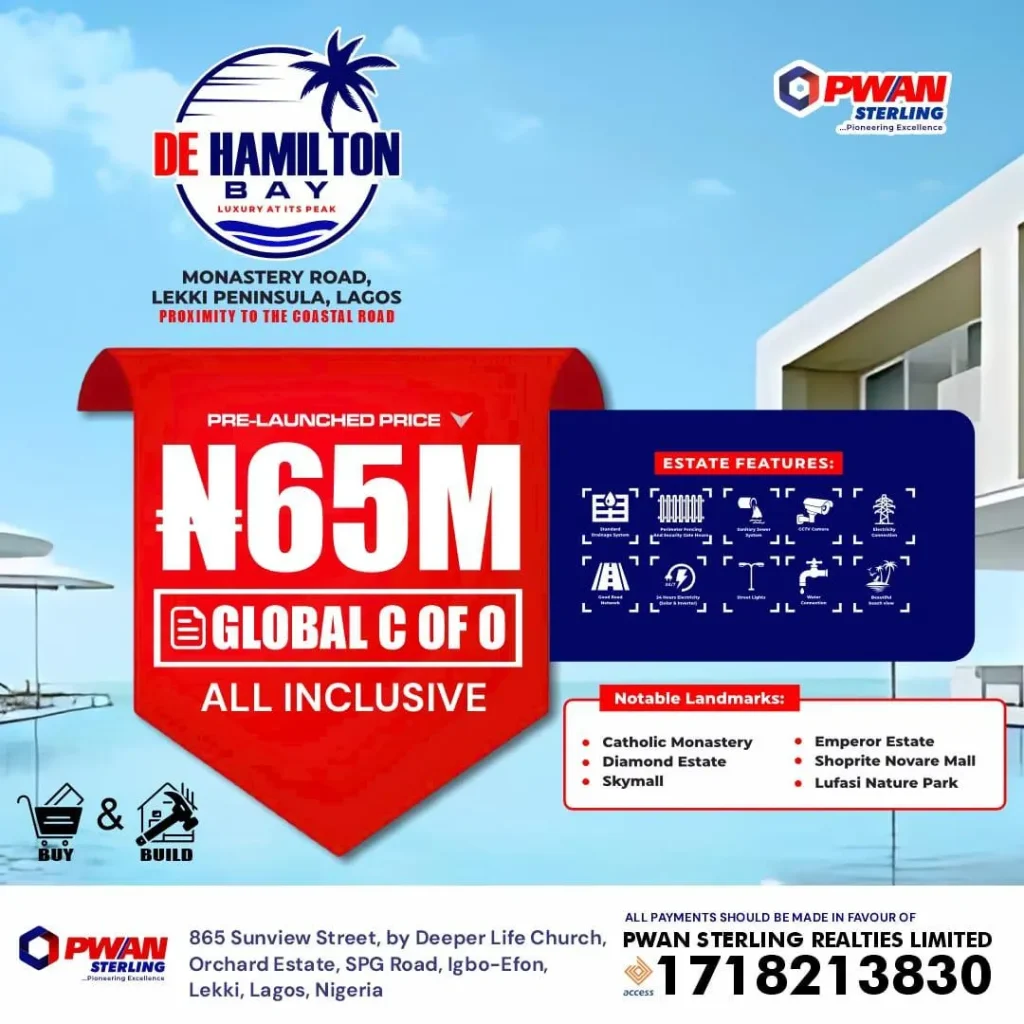
Location: Monastery Road, Lekki Peninsular, Lagos
Price: #65 Million Naira

Lekki–Epe Expressway (Just by Shoprite Sangotedo)
Price: #100 million Naira
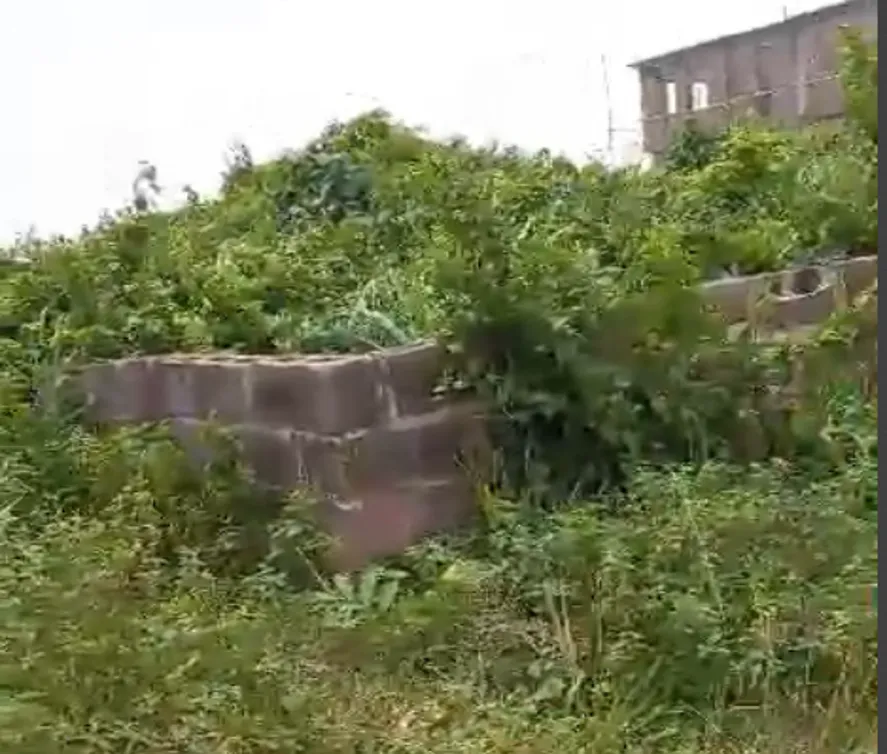
Gudugba-Ogun State – Contac t Usshort drive from Isheri, Lagos State
Price: #20 Million Naira /Negotiable