“There’s no genocide in Nigeria,” says AU chief after Trump’s warning — and Nigerians are outraged
Post By Diaspoint | November 18, 2025
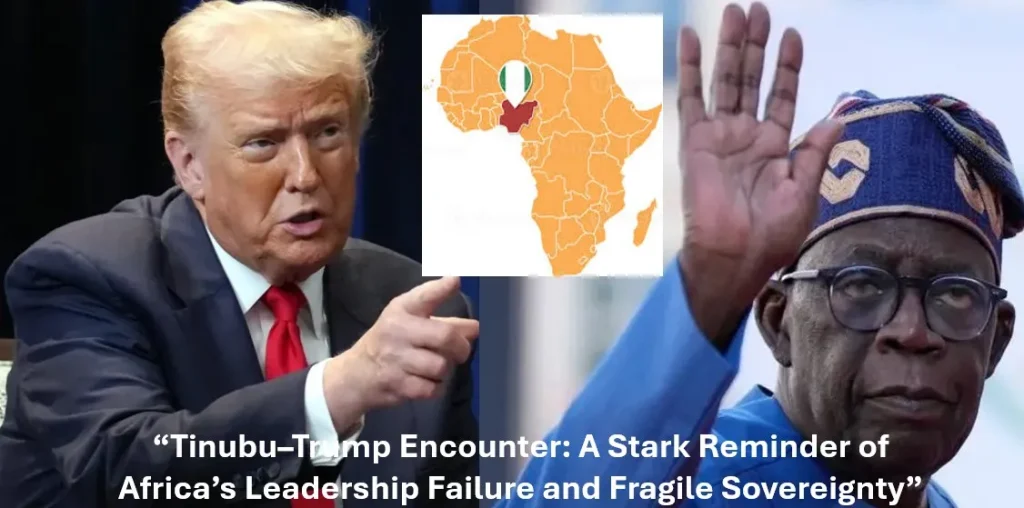
Tinubu & Trump Meeting: Genocide Allegations, U.S. Intervention, and the Question of Africa’s Sovereignty
Nigeria’s presidential adviser Daniel Bwala has announced that President Bola Ahmed Tinubu and U.S. President Donald Trump are expected to meet “in the coming days” to discuss mounting allegations of a Christian genocide in Nigeria.
The planned meeting follows Trump’s recent accusations that the Nigerian government has failed to protect Christians from terrorist attacks. His statements, coupled with threats to cut U.S. aid and launch strikes against terrorist groups, have reignited fierce debate both within Nigeria and internationally.
While some Nigerians see Trump’s remarks as a long-overdue recognition of the country’s humanitarian crisis, others interpret them as a strategic smokescreen; another attempt by Washington to reassert influence over Africa’s largest democracy and its vast natural resources.
A Presidency Under Scrutiny:
Since emerging from what observers widely describe as Nigeria’s most tainted election in 2023, President Tinubu’s administration has struggled to shake off questions of legitimacy. Allegations of drug-related financial crimes and forged academic records during his earlier years in the United States continue to shadow his credibility abroad.
These controversies have long fueled speculation that Tinubu might avoid official visits to Washington, wary of legal and diplomatic embarrassment. Hence, the announcement of a potential face-to-face meeting with Trump has drawn mixed reactions — part surprise, part skepticism.
Between Hope and Distrust:
For many Nigerians, U.S. engagement is seen as a last resort in a nation where the government appears incapable of safeguarding lives and property. They argue that the systematic killing of Christians, though repeatedly denied by Abuja, reflects a deep-rooted failure of governance that dates back decades.
Yet others caution that foreign intervention, however well-packaged, often trades moral outrage for political gain. They recall that many of the current power-holders once appealed for U.S. support against the previous government, citing the same religiously motivated killings they now dismiss. The irony is not lost on the Nigerian public.
Diaspora Reflections and the Shadow of Empire:
Across Nigeria’s diaspora networks, the debate has intensified. Many in the diaspora lament that Africa’s recurring leadership failures have once again opened the door to imperial influence. When national institutions decay, they argue, citizens are left with no alternative but to tolerate external meddling, even when it comes cloaked in humanitarian concern.
Critics warn that the United States’ history of intervention, from Iraq and Afghanistan to Libya and Syria offers grim lessons. These “rescues,” they argue, have left nations fractured, their sovereignty replaced by chaos. Nigeria, they fear, could become the next battleground in a proxy contest between the U.S., China, and Russia for geopolitical dominance.
History’s Lessons and Western Hypocrisy:
Skeptics also question the authenticity of Western concern for African Christian lives. They point to the Nigerian Civil War (1967–1970), when over a million, mostly Christian civilians perished while Western powers, including the U.S. and U.K., supplied arms to the Nigerian state. For many, this history undercuts the moral authority of those now claiming to defend religious freedom in Nigeria.
To them, the renewed American attention is not about justice or faith, it is about influence, access, and control.
The African Dilemma:
Whichever way one interprets the Tinubu–Trump dialogue, the underlying tragedy is clear: Africa’s governance failures continue to invite external domination. When leaders betray their mandate to protect and empower their people, they leave the continent exposed to manipulation by stronger powers with narrower interests.
One undeniable reality is that President Bola Tinubu stands politically vulnerable—driven by an intense desire to cleanse his tarnished image and secure a second term in office. This desperation makes him susceptible to external manipulation, particularly in dealings with powerful foreign leaders like Donald Trump. Under such pressure, Tinubu may be willing to concede far more than is prudent, trading away Nigeria’s or even Africa’s broader interests in exchange for international legitimacy and political survival.
True liberation will not come from Western intervention or the rhetoric of global powers. It will come only when Africans themselves rise to reclaim accountability, build transparent institutions, and confront corruption from within.
Concerned Africans have also voiced deep frustration over the persistent failure of the African Union (AU) and regional bodies to defend the interests of the continent’s people. It has become increasingly clear that leaders who have failed woefully within their own countries cannot build a credible, people-centered continental vision.
The dysfunction and complacency seen at national levels are simply mirrored on a continental scale, eroding public trust in both the AU and regional organizations that were meant to champion African unity, peace, and progress.
Until then, Africa remains vulnerable not because it lacks resources or talent, but because too many of its leaders have outsourced their legitimacy to those who see the continent not as a partner, but as a marketplace of power.

Price:
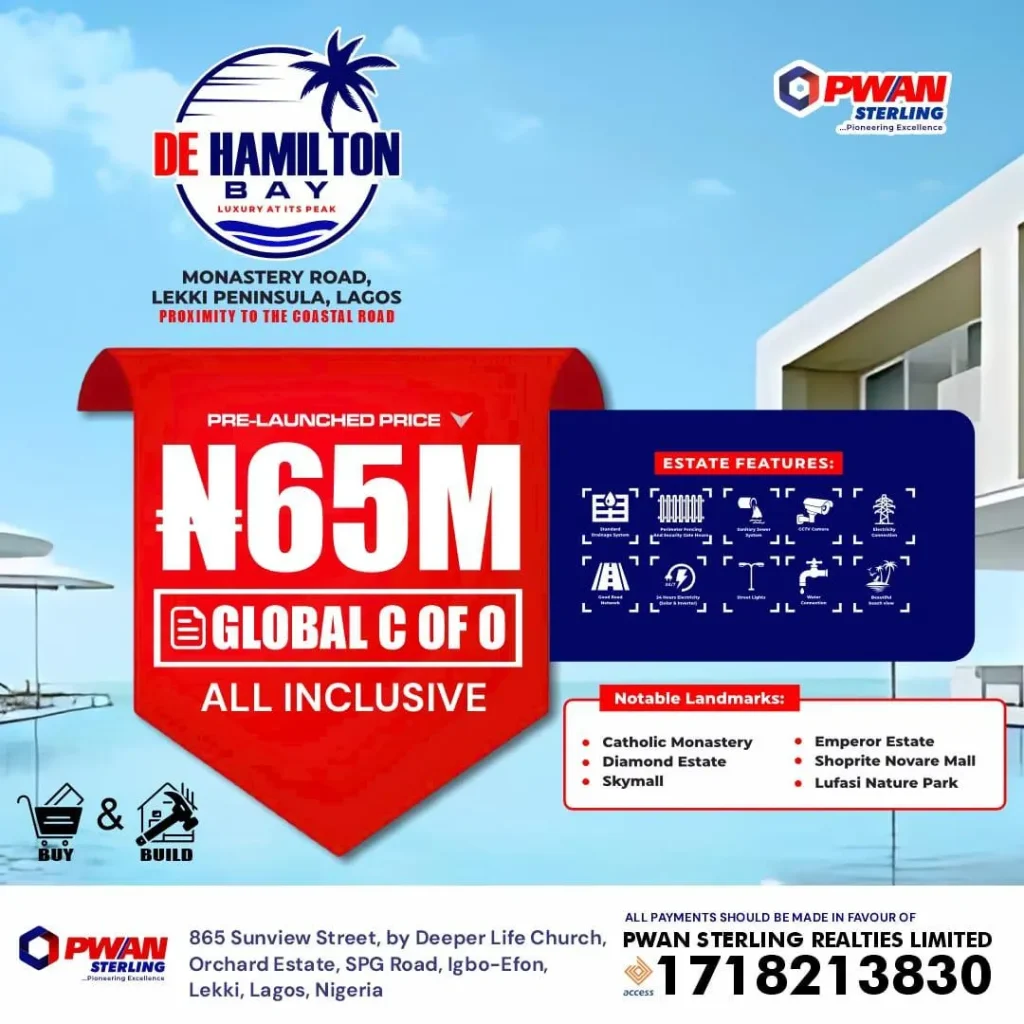
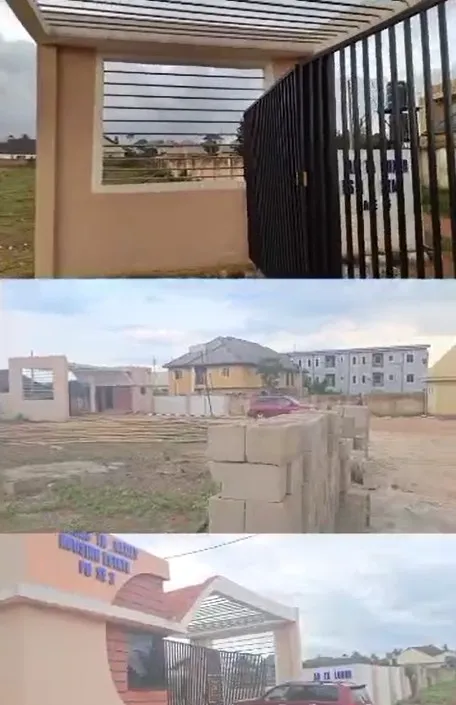
Location: Monastery Road, Lekki Peninsular, Lagos
Price: #65 Million Naira
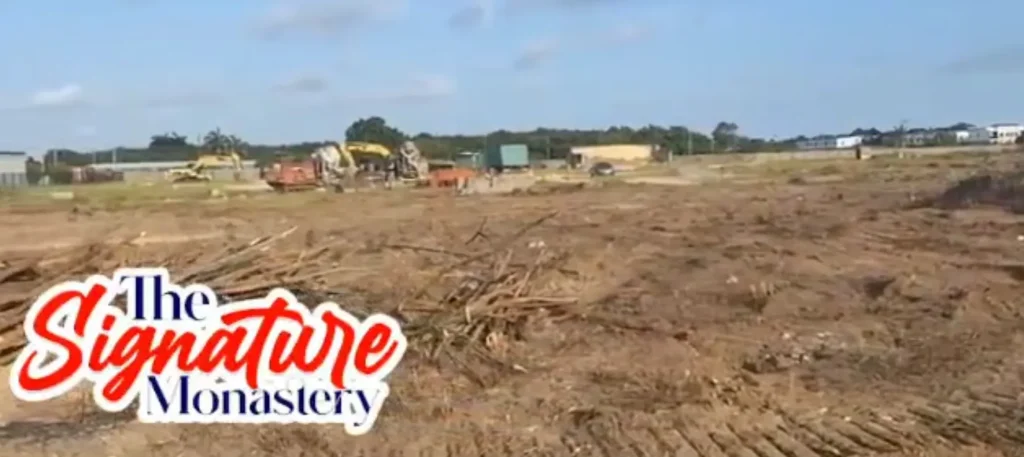
Lekki–Epe Expressway (Just by Shoprite Sangotedo)
Price: #100 million Naira
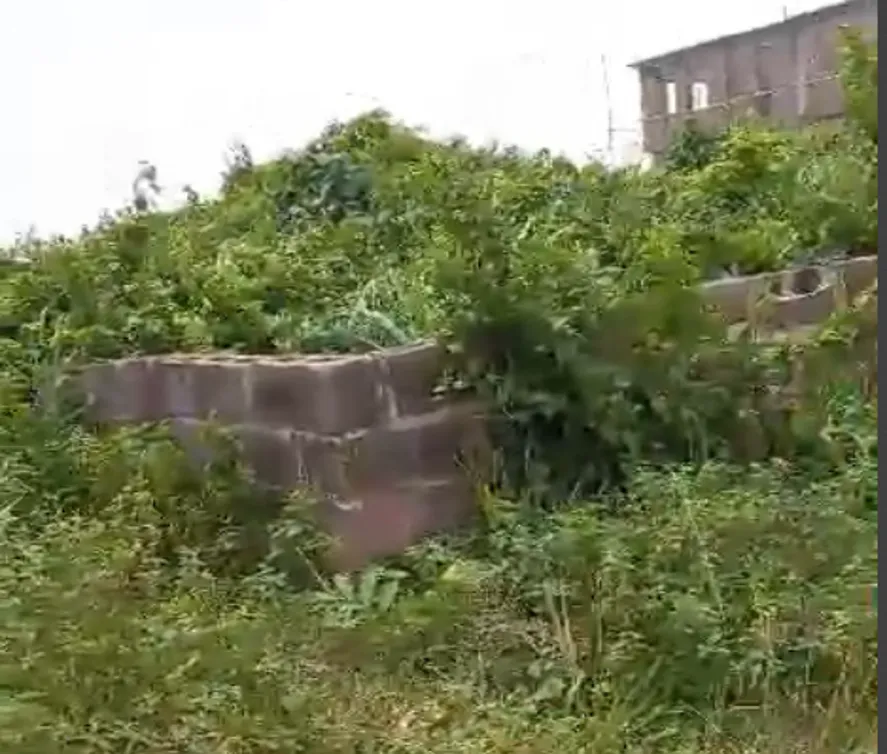
Gudugba-Ogun State – Contac t Usshort drive from Isheri, Lagos State
Price: #20 Million Naira /Negotiable