Libya Urges Global Cooperation to Tackle Illicit Arms Trafficking
Post By Diaspoint | October 29, 2025
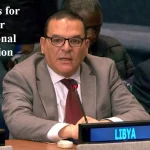
Nigeria’s federal government has announced plans to integrate Islamic finance accounting and auditing standards into the country’s national financial reporting framework, a move officials say is designed to enhance transparency, expand financial inclusion, and position Africa’s most populous nation as a continental hub for non-interest finance.
The proposal, however, has ignited renewed controversy in a country already grappling with persistent mass killings and kidnappings of Christian communities, particularly in the north and Middle Belt. Christian leaders, civil society groups, and international observers warn that the policy deepens fears of a gradual Islamization of Nigeria’s governance and legal order, despite the country’s constitutional designation as a secular state.
The standards to be adopted were developed by the Accounting and Auditing Organisation for Islamic Financial Institutions (AAOIFI), a Bahrain-based body founded in 1991.
AAOIFI standards are widely used in countries with dominant Islamic finance sectors, including Saudi Arabia, Pakistan, Sudan, Indonesia, and several Gulf Cooperation Council (GCC) states.
While government officials insist the move is purely economic and voluntary in application, critics argue that it represents yet another step in a long pattern of policies perceived as favoring Islamic institutions and norms.
These concerns are amplified by Nigeria’s history, including the controversial decision by a former Muslim military ruler to enroll Nigeria as a member of the Organisation of Islamic Cooperation (OIC), a move that has faced decades of opposition from Christian groups who argue it compromised the nation’s religious neutrality.
The announcement comes against the backdrop of continued attacks on Christian villages and churches, with local and international advocacy groups describing the violence as systematic and inadequately addressed by the authorities.
Despite repeated government claims of security gains and military victories against armed groups, reports of killings, abductions, and forced displacement of Christians continue to surface.
The United States and other international partners have in recent months increased pressure on Abuja, urging stronger protections for religious minorities and calling for reforms, including the rollback of Sharia-based legal frameworks in states where they are applied. U.S. officials have warned that continued violations could trigger diplomatic or policy responses.
However, critics say the federal government has shown little willingness to respond meaningfully to either domestic protests or external pressure. Instead, they point to intensified diplomatic lobbying and policy initiatives, such as the Islamic finance integration as evidence that the administration remains committed to expanding Islamic institutional influence.
Analysts note that while Islamic finance itself operates in many pluralistic societies, its formal adoption into national financial reporting systems in a deeply divided country like Nigeria carries significant symbolic and political weight.
As international scrutiny intensifies and insecurity persists, Nigeria finds itself at the center of a widening debate: whether its current trajectory reflects economic pragmatism or a deeper shift toward religiously aligned governance that risks further destabilizing an already fractured nation.




Price:
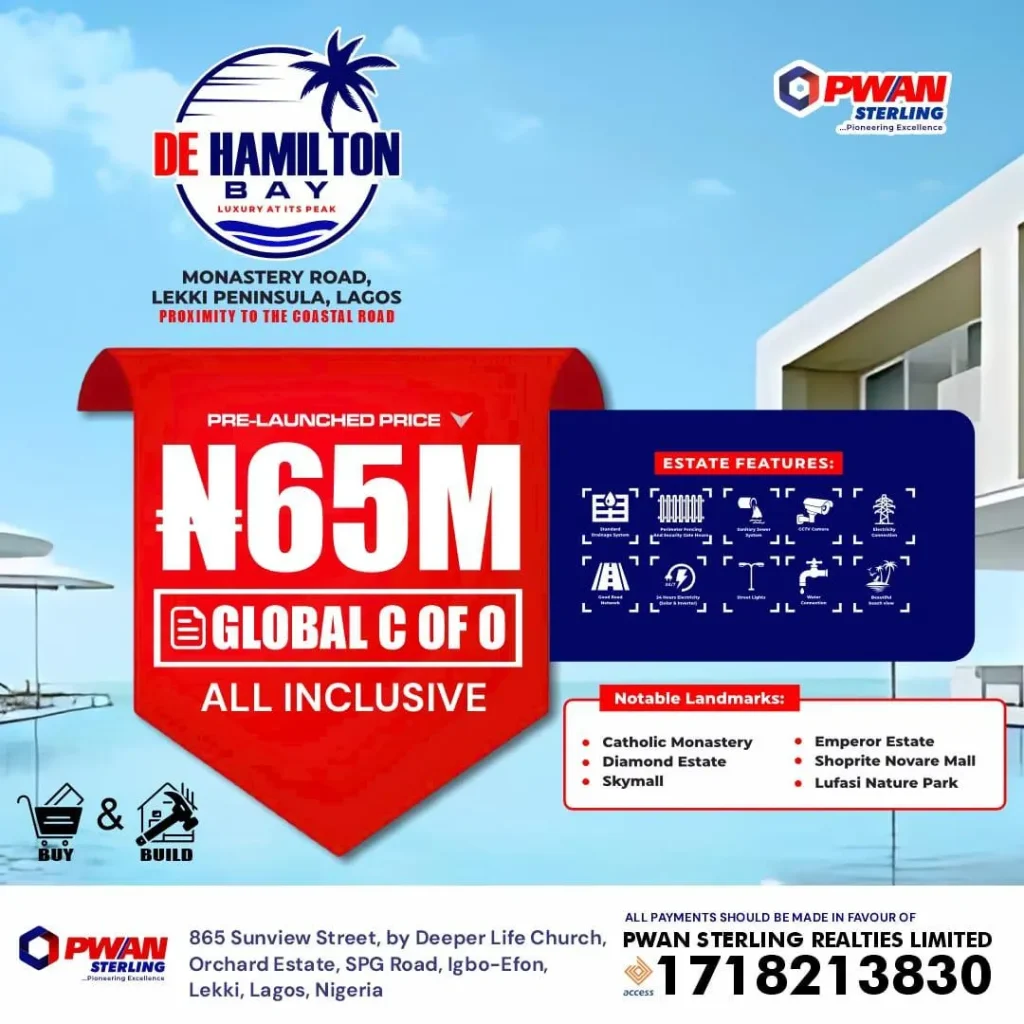
Location: Monastery Road, Lekki Peninsular, Lagos
Price: #65 Million Naira

Lekki–Epe Expressway (Just by Shoprite Sangotedo)
Price: #100 million Naira

Gudugba-Ogun State – Contac t Usshort drive from Isheri, Lagos State
Price: #20 Million Naira /Negotiable