Married Man Arrested for Killing Lover Over Alleged Infidelity in Plateau
Post By Diaspoint | October 4, 2025

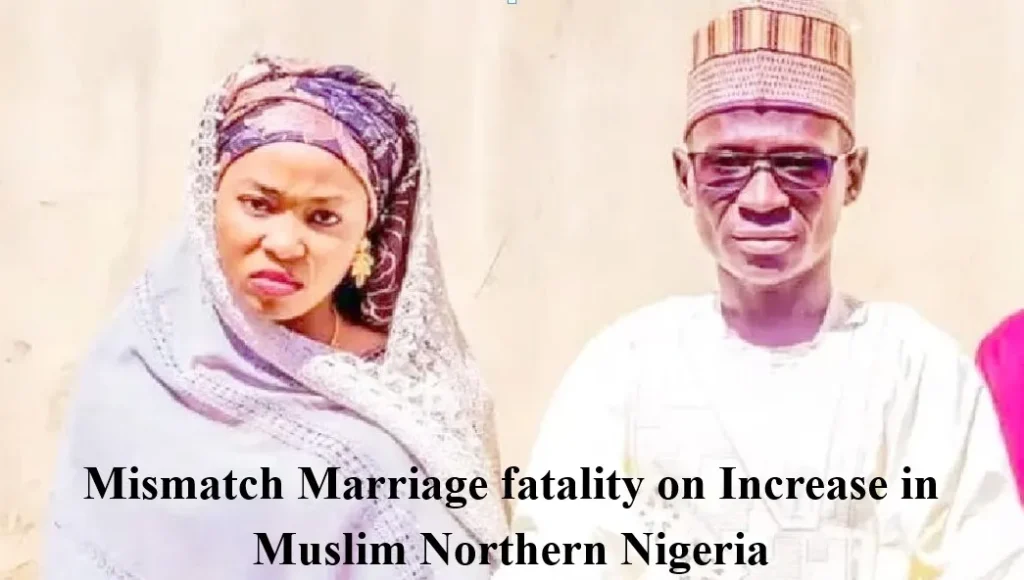
A newly married man, Abubakar Abdulkarim (also known as Dan Gaske), was allegedly stabbed to death by his wife, Zainab Muhammad, just three days after their wedding in Jibia, Katsina State.
The incident reportedly occurred on Sunday afternoon while the groom was asleep, resulting in a fatal neck wound.
According to relatives, the couple had appeared to be in good standing earlier that day, with no signs of conflict. Community members became suspicious after the wife was seen acting strangely and asking neighbours for food.
Upon checking the couple’s home, women in the area discovered the groom’s body and alerted authorities. Police confirmed the incident, noting that detectives responded promptly and that one suspect is in custody as investigations continue.
The Katsina State Police Command has assured the public of a thorough probe into the circumstances surrounding the death.
Observers note that incidents of domestic violence and marital homicide have raised growing concern across parts of Northern Nigeria. Analysts argue that several deep-rooted social issues, including poverty, limited educational opportunities, and culturally driven marital expectations may contribute to tensions within some households.
While arranged marriages exist in many cultures, critics insist that the practice becomes problematic when young women are married off without meaningful consent or when significant age gaps create power imbalances within the family structure.
Advocacy groups are increasingly urging families to respect the rights of the girl-child, emphasizing that every woman deserves autonomy, education, and the freedom to make informed decisions about marriage.
Poverty in that region of Nigeria is also identified as a major driver of early or pressured marriages, with some families accepting suitors for economic relief even when the unions may not be in the best interest of the young bride.
Women’s rights organizations argue that such conditions expose young girls to emotional distress, unstable unions, and in some cases, dangerous domestic environments.
Despite these concerns, many activists believe that government institutions and community leaders have not paid sufficient attention to the structural issues fueling unsafe marriages. They are calling for stronger legal protections, better education for families, economic support for vulnerable households, and more proactive leadership to address practices that endanger women and undermine their long-term wellbeing.




Price:

Location: Monastery Road, Lekki Peninsular, Lagos
Price: #65 Million Naira

Lekki–Epe Expressway (Just by Shoprite Sangotedo)
Price: #100 million Naira

Gudugba-Ogun State – Contac t Usshort drive from Isheri, Lagos State
Price: #20 Million Naira /Negotiable