Libya Urges Global Cooperation to Tackle Illicit Arms Trafficking
Post By Diaspoint | October 29, 2025
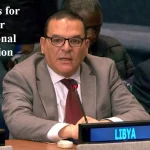
Nigeria has thrown its weight behind the proposed institutional reforms of the African Union (AU), pledging support for initiatives focused on peace and security, good governance, and the strengthening of democratic institutions across the continent.
The endorsement came during the 39th Ordinary Session of the Assembly of Heads of State and Government held in Addis Ababa, Ethiopia, where African leaders are deliberating on the future direction of the continental body.
According to Nigeria’s position, the country aligns with proposed structural changes aimed at enhancing domestic and regional resource mobilisation to secure affordable financing for development. It also supports the adoption of a continental framework to reduce inequality anchored on credible data systems, expanded social protection, productive employment, and inclusive industrial policies.
Yet, as calls for reform gather momentum, a pressing question lingers: what concrete difference will a restructured AU make, given the widely acknowledged weaknesses of the current order? Over the years, the Union has faced criticism for slow responses to conflicts, inconsistent enforcement of democratic norms, limited financial independence, and an overreliance on external funding partners.
If the reforms merely adjust institutional frameworks without addressing enforcement gaps, political will deficits, and accountability concerns among member states, will they amount to more than bureaucratic reshuffling? Can the AU realistically strengthen democracy and security when several member states continue to grapple with coups, constitutional manipulations, and protracted internal conflicts?
As Nigeria and other member states push for transformation, observers argue that the true test will lie not in policy declarations but in measurable outcomes: faster conflict resolution, credible election monitoring, reduced dependence on foreign aid, and tangible progress in lifting millions out of poverty.
The reform agenda signals ambition. The lingering uncertainty is whether it signals genuine renewal or simply a repackaging of familiar promises under a new institutional design.


Price:
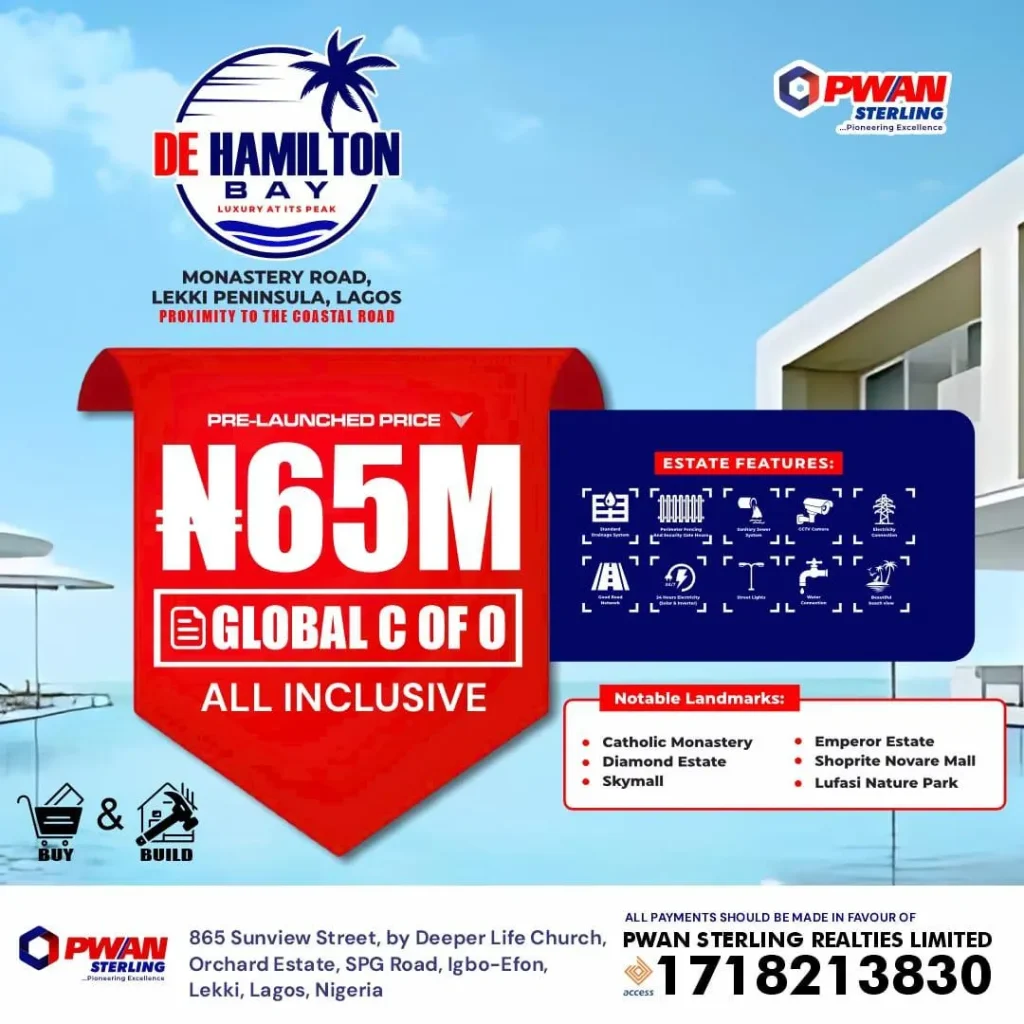
Location: Monastery Road, Lekki Peninsular, Lagos
Price: #65 Million Naira

Lekki–Epe Expressway (Just by Shoprite Sangotedo)
Price: #100 million Naira

Gudugba-Ogun State – Contac t Usshort drive from Isheri, Lagos State
Price: #20 Million Naira /Negotiable