U.S. Senator Condemns ‘Fraudulent’ Re-election of Tanzanian President, Calls for U.S. Action
Post By Diaspoint | November 4, 2025

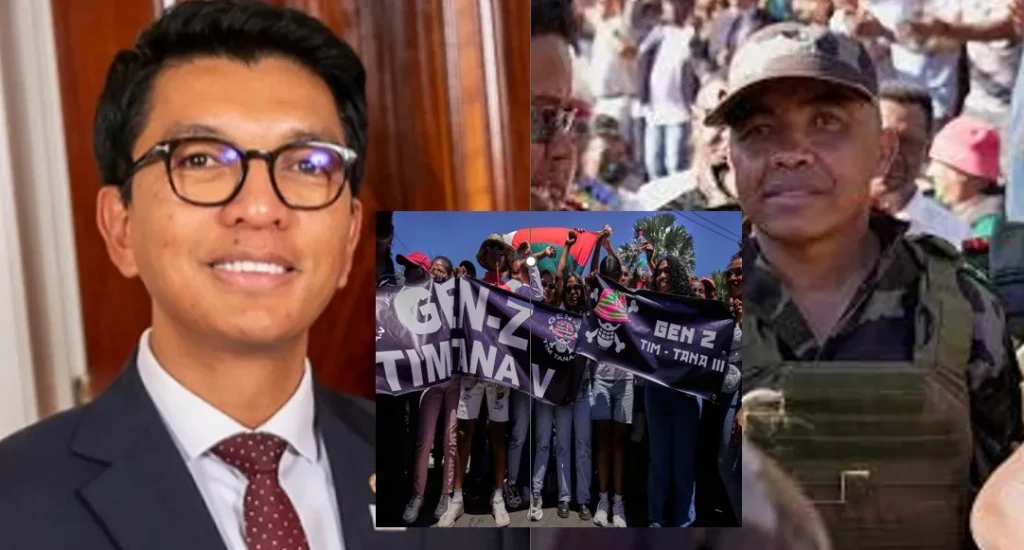
Madagascar has entered a new political transition following a 2025 coup that placed the country under direct military rule, marking a shift from earlier, more civilian-led transfers of power.
The takeover aligns Madagascar with a growing list of African states; many of them former French colonies where the military has recently seized control. Since independence in 1960, the armed forces have played a central role in Malagasy politics.
The ousted president, Andry Rajoelina, first rose to power in 2009 amid mass protests and again lost authority after the elite military unit CAPSAT sided with demonstrators, as it did during his initial ascent. Unlike previous transitions, however, the military will now head the interim authority itself. Rajoelina, who returned to office through elections in 2018 and was reelected in 2023, faced persistent accusations of electoral fraud and controversy over his eligibility after acquiring French citizenship.
While anti-French sentiment contributed to the unrest, the deeper causes were economic. Despite its natural wealth and young population, Madagascar remains one of the world’s poorest countries, with around 80 percent of citizens living below the poverty line and worsening corruption indicators over the past decade. The immediate spark for protests was chronic power cuts and water shortages in Antananarivo, which quickly escalated into wider demands for political change.
The demonstrations were largely driven by urban Generation Z activists, frustrated by limited opportunities and exclusion from decision-making. Using social media platforms such as the Gen Z Mada movement, young protesters transformed local grievances over basic services into a nationwide challenge to the political order, reflecting a broader pattern of youth-led unrest seen across several regions of the Global South.


Price:
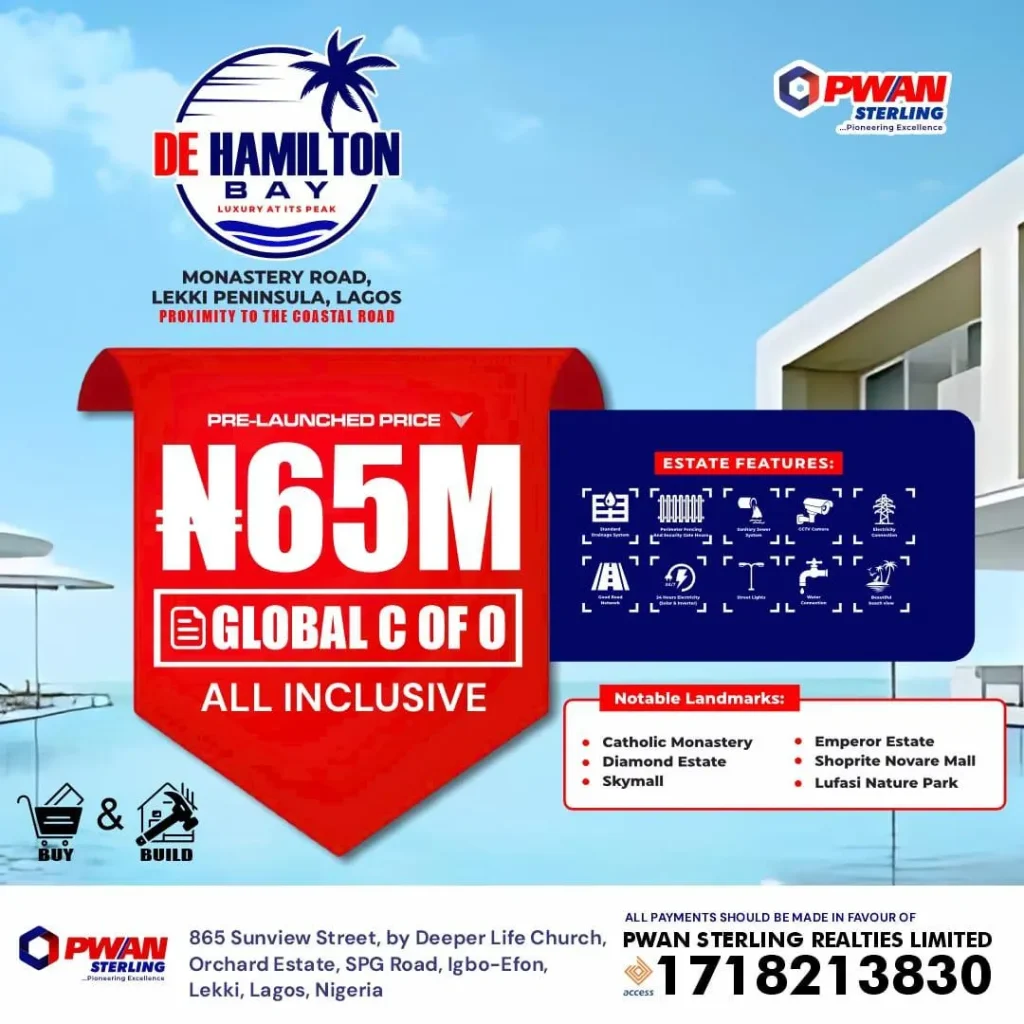
Location: Monastery Road, Lekki Peninsular, Lagos
Price: #65 Million Naira
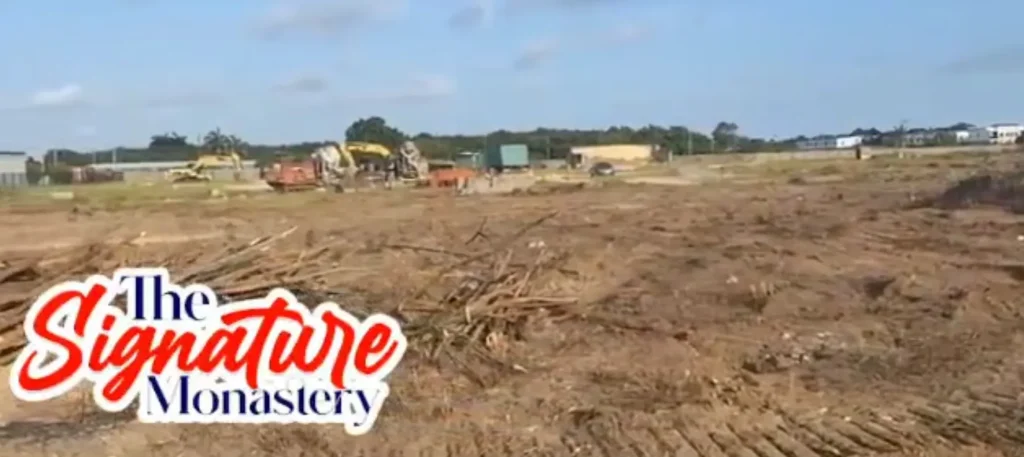
Lekki–Epe Expressway (Just by Shoprite Sangotedo)
Price: #100 million Naira
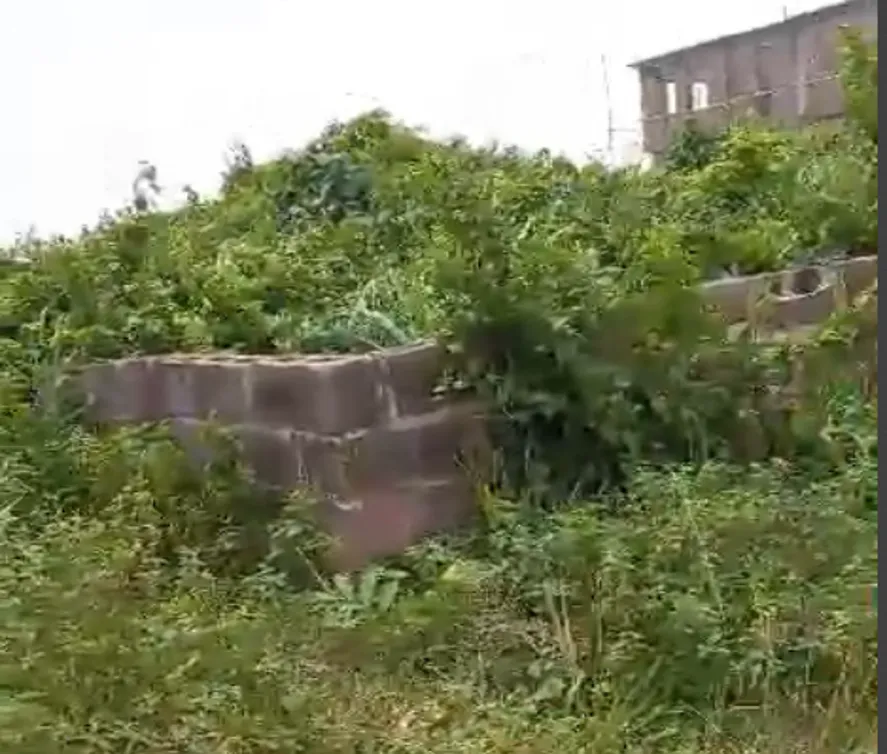
Gudugba-Ogun State – Contac t Usshort drive from Isheri, Lagos State
Price: #20 Million Naira /Negotiable