Okonjo-Iweala Says Africa Pays 20% More to Trade Within Continent
Post By Diaspoint | November 5, 2025
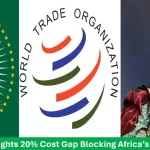
Ivory Coast’s 83-year-old President, Alassane Ouattara, has claimed a fourth term in office with nearly 90 percent of the vote, an outcome widely regarded as predetermined after his two main rivals were disqualified from contesting.
This development underscores the recurring pattern of democratic manipulation in parts of Africa and highlights France’s enduring influence over its former colonies.
Ouattara’s “landslide” victory, rather than reflecting popular will, exposes the fragility of electoral integrity in Francophone Africa.
The deliberate exclusion of major opposition figures and the absence of meaningful political competition point to a deeply flawed democratic process.
Western powers, particularly France, long seen as Ouattara’s principal backer have remained conspicuously silent, perpetuating the perception that democratic principles are negotiable when their strategic interests are at stake.
It will be recalled that during the post-election crisis of 2010, France played a decisive role in installing Ouattara in power, a move that led to violent confrontations and the deaths of hundreds of Ivorians. This historical precedent illustrates the persistent double standards of international actors who champion democracy in rhetoric but enable autocracy in practice.
Equally troubling is the silence of regional and continental bodies such as ECOWAS and the African Union. Their unwillingness to challenge electoral malpractice and constitutional manipulation reflects a broader crisis of leadership across the continent.
These organizations often display a paradoxical zeal; passive in the face of democratic subversion, yet swift to condemn any popular uprising or military intervention that seeks to dislodge entrenched regimes.
In essence, Ouattara’s fourth-term victory symbolizes not only the erosion of democracy in Ivory Coast but also the complicity of both local and international institutions in sustaining Africa’s cycle of authoritarianism and dependency.

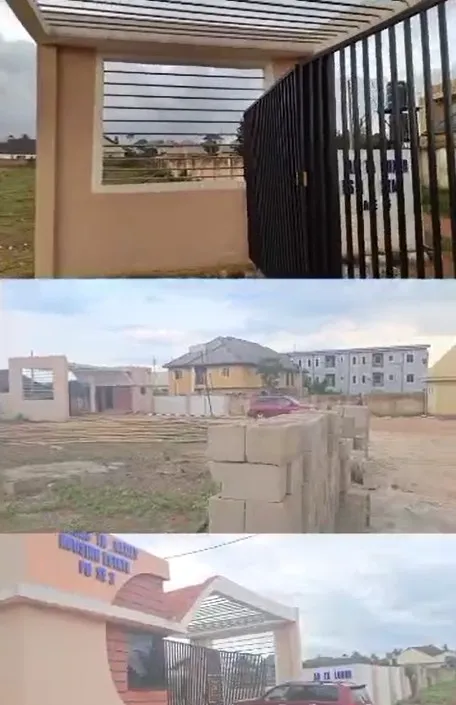
Price:
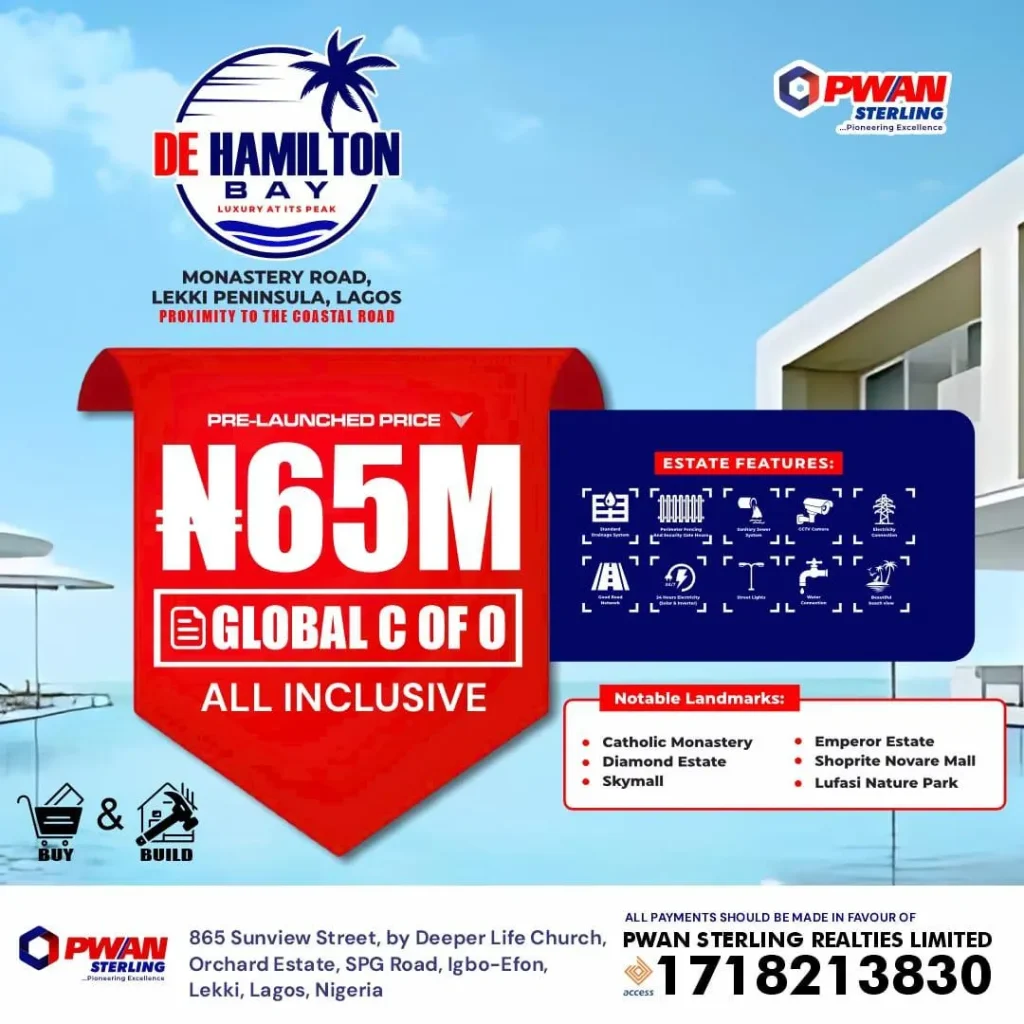
Location: Monastery Road, Lekki Peninsular, Lagos
Price: #65 Million Naira
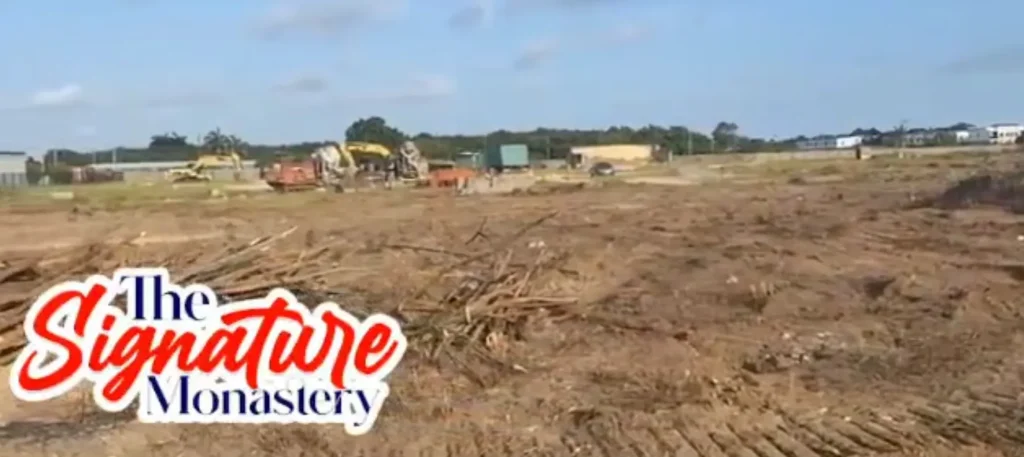
Lekki–Epe Expressway (Just by Shoprite Sangotedo)
Price: #100 million Naira
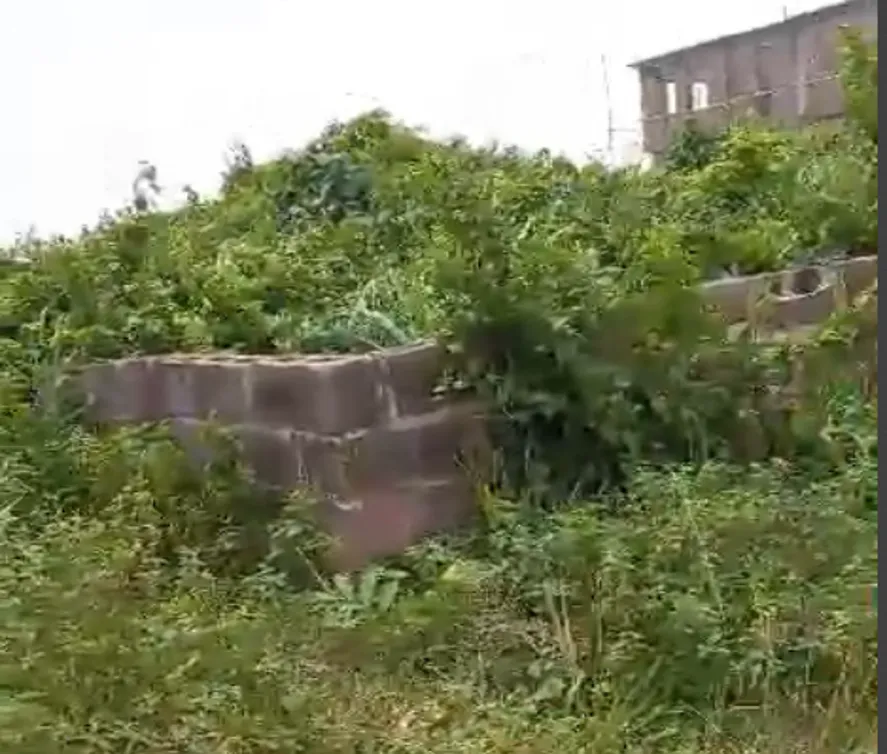
Gudugba-Ogun State – Contac t Usshort drive from Isheri, Lagos State
Price: #20 Million Naira /Negotiable