Cameroon Opposition Leader Tchiroma Claims Election Victory, Urges Biya to Concede
Post By Diaspoint | October 14, 2025
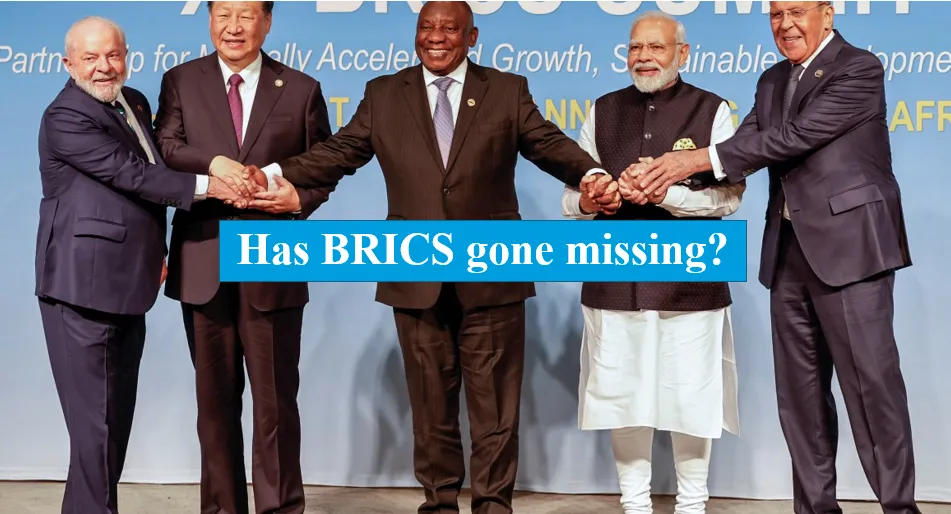
Not long ago, the global conversation was filled with discussions about BRICS, the coalition linking Brazil, Russia, India, China and South Africa. At the height of its rise, international media portrayed BRICS as a powerful new geopolitical force capable of challenging Western dominance in global politics and economics.
For many developing countries, particularly across Africa, BRICS symbolised hope. It was seen as an emerging alliance that could provide an alternative to Western-led institutions and offer economic partnerships, development financing and political support. Several nations struggling with debt and economic pressure believed that closer ties with BRICS could help rebalance global power and reduce dependence on Western powers.
In its early years, BRICS projected strong ambitions. The bloc promised greater economic cooperation, development financing through institutions such as the New Development Bank, and closer coordination among emerging economies. As a result, interest in joining the group surged, with countries from Africa, Asia and Latin America expressing enthusiasm about becoming members.
Yet in recent years, the public visibility of BRICS appears to have faded. Compared with the intense global debate that once surrounded the bloc, discussions about its role in world affairs have become quieter. This has prompted many observers to ask an important question: Has BRICS lost momentum, or has it simply moved out of the spotlight?
At the same time, internal differences among member states and shifting global crises have made it difficult for the bloc to act as a unified geopolitical force. For example, while Western countries have openly backed Ukraine in its conflict with Russia, BRICS members have largely taken varied or cautious diplomatic positions. Such divisions highlight the challenge of coordinating foreign policy among countries with diverse national interests.
Despite these complexities, BRICS continues to evolve. India currently holds the rotating presidency for 2026 and is preparing to host the next BRICS summit, where leaders are expected to discuss economic cooperation, global governance reforms and financial initiatives aimed at strengthening the voice of the Global South.
If the BRICS fails to project a clear and influential voice on current global developments, enthusiasm among aspiring member states may gradually decline. Countries that once viewed the bloc as a credible counterweight to the Western alliance could begin to question its capacity to match the geopolitical influence of Western powers.
The apparent decline in the visibility and influence of BRICS in major global developments has increasingly raised a pressing question in international discourse: has BRICS gone missing?


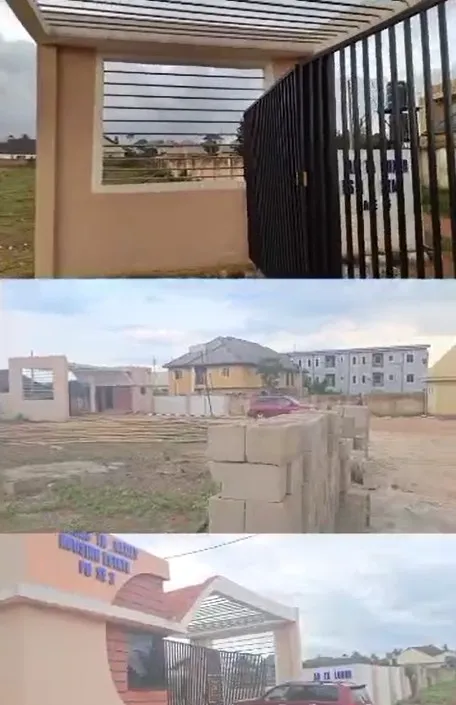
Price:
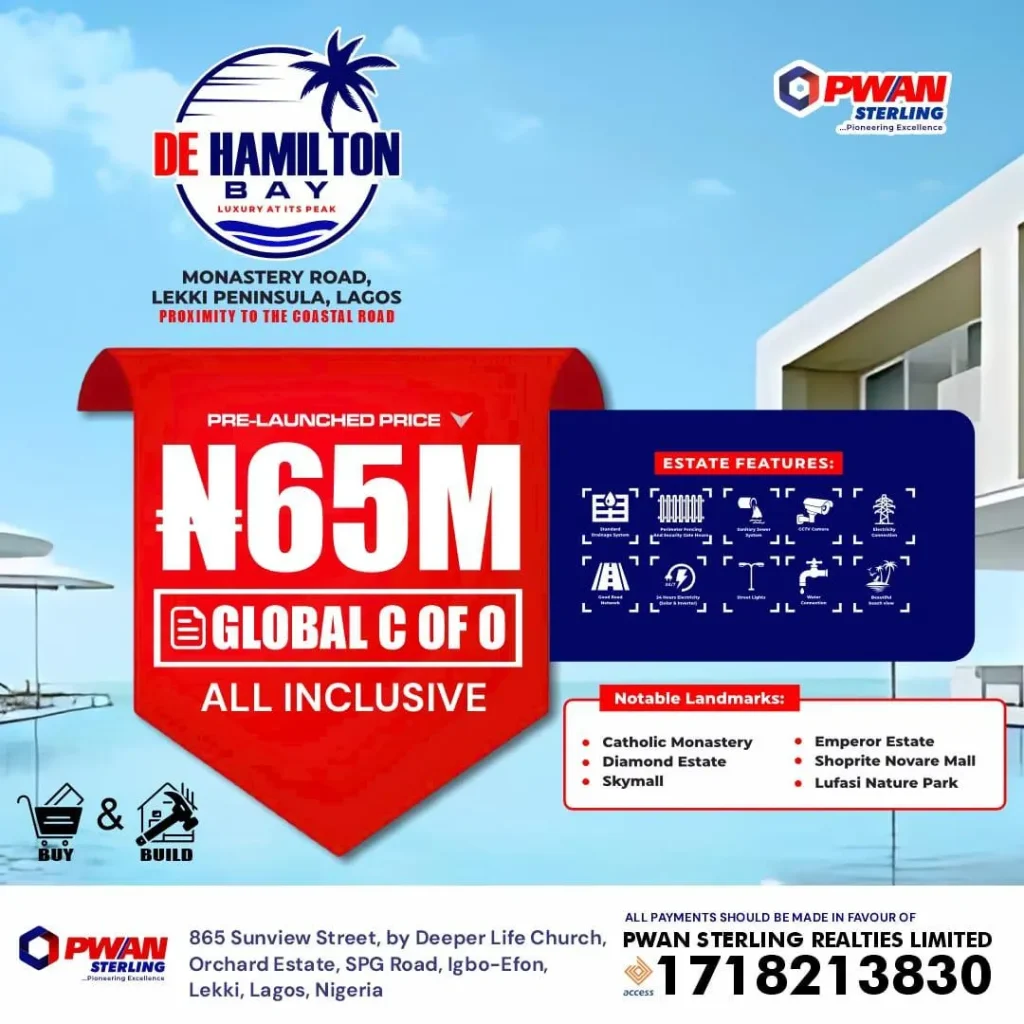
Location: Monastery Road, Lekki Peninsular, Lagos
Price: #65 Million Naira

Lekki–Epe Expressway (Just by Shoprite Sangotedo)
Price: #100 million Naira

Gudugba-Ogun State – Contac t Usshort drive from Isheri, Lagos State
Price: #20 Million Naira /Negotiable