Kenya’s Former Prime Minister Raila Odinga Dies in Kerala Hospital
Post By Diaspoint | October 15, 2025
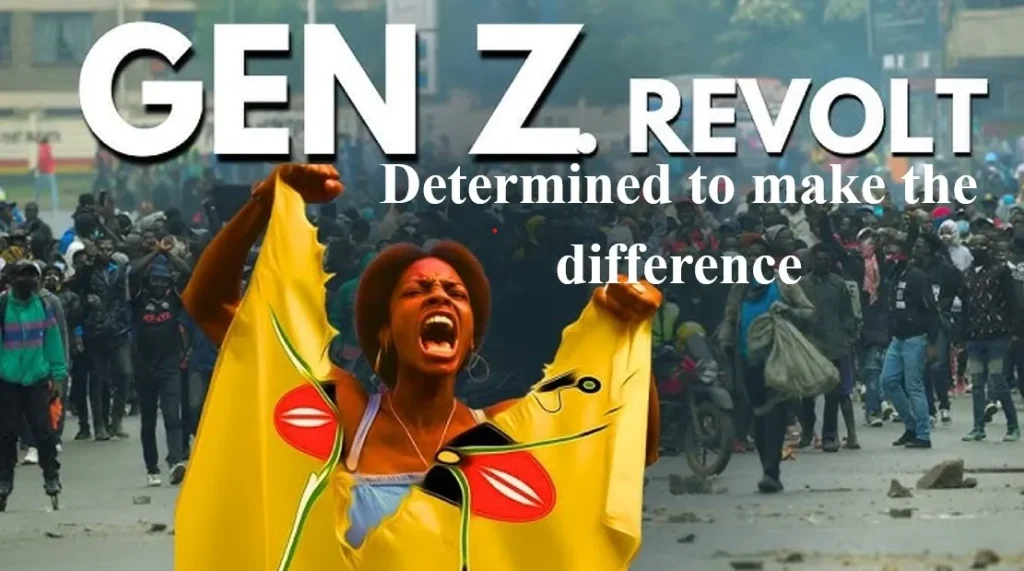
Political instability is once again spreading across Africa, but this time it is being driven not by traditional opposition parties or military strongmen, but by a new and potent force; the continent’s Generation Z.
From North Africa to the Indian Ocean, young Africans are challenging entrenched elites, corrupt systems, and decades of political stagnation.
In Morocco, the “Gen Z 212” movement has galvanized thousands of young people across cities since late September, demanding accountability from a government long accused of corruption, economic mismanagement, and neglect of social welfare.
These protests, leaderless, decentralized, and digitally coordinated mark a significant shift in African political activism. Unlike past movements tied to political parties or unions, Gen Z protesters are driven by economic frustration, unemployment, and the erosion of dignity in daily life.
Their demands are not just political but existential, reflecting a generation that refuses to inherit failure as its future.
Similarly, in Madagascar, a wave of youth-led demonstrations against chronic water and electricity shortages quickly evolved into nationwide anti-government protests, culminating in the military’s ouster of the president.
While the Madagascar coup drew condemnation from regional bodies, it also revealed how deeply alienated the youth feel from political elites and how little trust remains in civilian institutions.
These uprisings are not isolated incidents but part of a broader continental trend. Across Senegal, Kenya, Nigeria, and Sudan, young Africans are taking to the streets and social media to demand change.
Whether through Kenya’s anti-tax protests or Nigeria’s #EndSARS movement, and the recent FreeNnamdiKanu protest, Gen Z has emerged as a digitally connected generation that refuses to remain silent in the face of repression and economic decay.
Yet, the responses from African leaders and the African Union (AU) and ECOWAS remain largely predictable; condemnation of “instability” without addressing the systemic rot that fuels such uprisings.
Their failure to engage youth voices or promote genuine reforms risks deepening the generational divide and pushing more countries toward confrontation and coups.
The implications are profound. Africa’s Gen Z represents over 40% of the population and is the continent’s most educated, connected, and globally aware generation. Their protests signal not only disillusionment but also the birth of a new political consciousness that could redefine governance in Africa.
If ignored or suppressed, this awakening could lead to more turbulence and regime collapses. But if harnessed through inclusive reforms and youth-driven policymaking, it could become the foundation for Africa’s long-delayed democratic renewal.
In essence, the Gen Z protests sweeping Africa are not just a symptom of discontent, they are a warning. A new generation is rising to reclaim the promise of democracy, justice, and accountability in a continent long betrayed by its leaders.


Price:
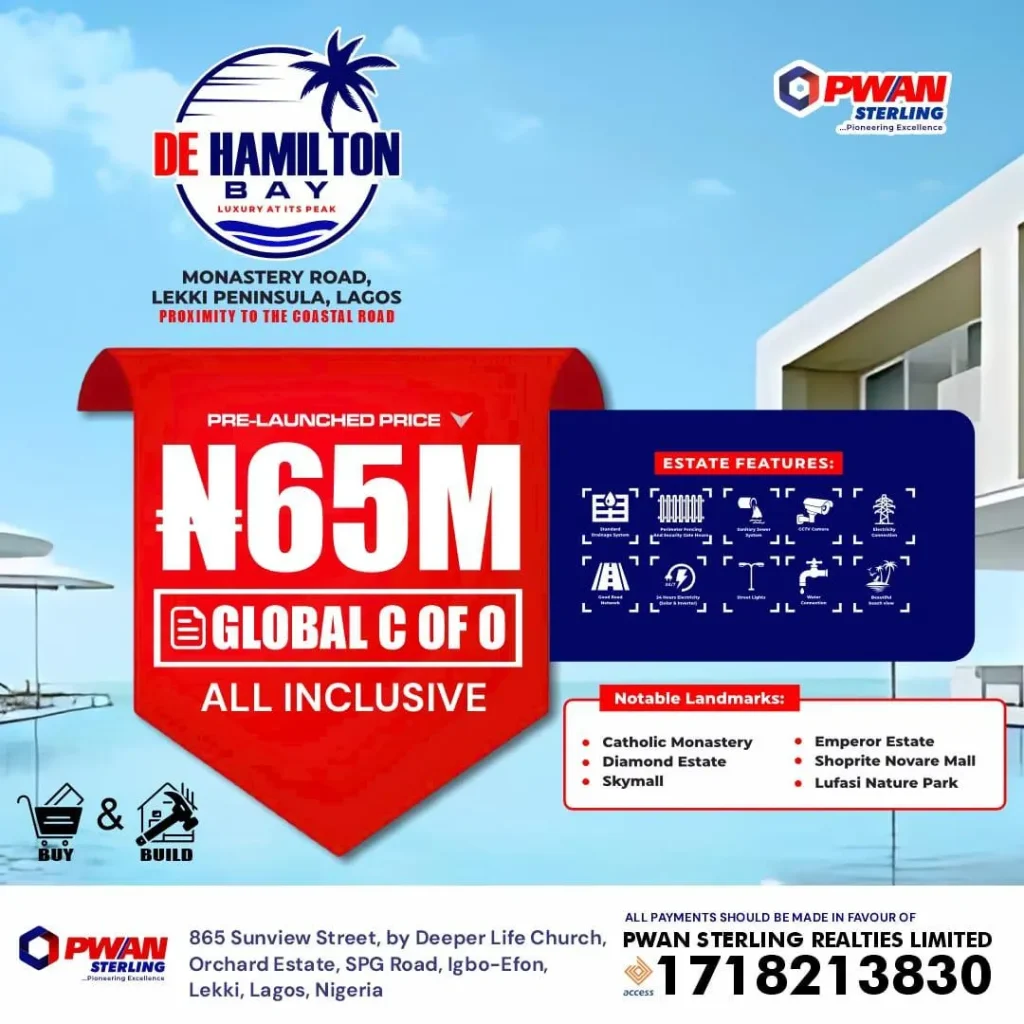
Location: Monastery Road, Lekki Peninsular, Lagos
Price: #65 Million Naira
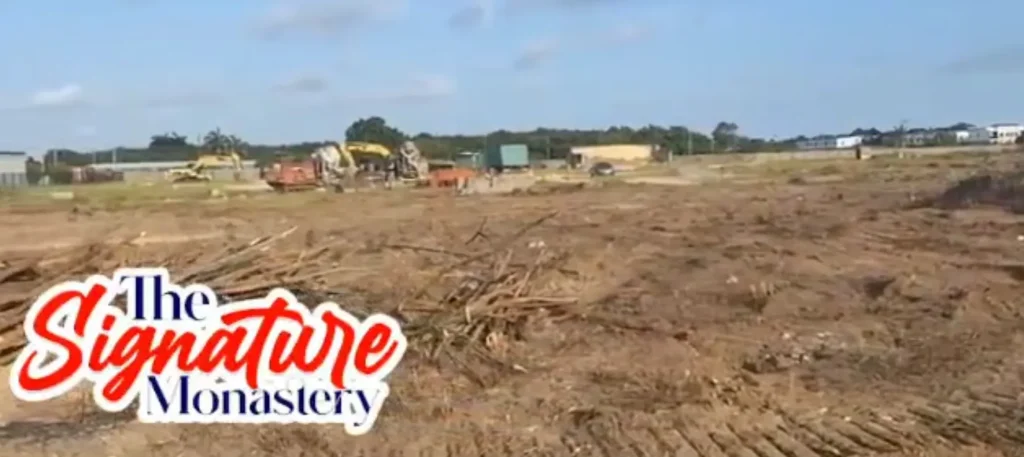
Lekki–Epe Expressway (Just by Shoprite Sangotedo)
Price: #100 million Naira

Gudugba-Ogun State – Contac t Usshort drive from Isheri, Lagos State
Price: #20 Million Naira /Negotiable