Even Tinubu’s Newly Appointed INEC Chairman, Prof. Amupitan, Once Described Killings in Nigeria as Genocide
Post By Diaspoint | November 7, 2025
Rising Extremism, Fears of “Fulanization,” and the Dangerous Talk of U.S. Intervention in Nigeria
Speculation has intensified in some political circles over whether Nigeria could face stronger action from the United States following recent U.S. military escalation against Iran.
While there is no official indication that Nigeria is being considered as a military target, growing insecurity and Islamist extremist violence within the country have fueled heated and often divisive debate. Nigeria continues to grapple with Islamic insurgency, banditry, mass kidnappings, and sectarian attacks across several regions.
Critics argue that the government of President Bola Ahmed Tinubu has not moved decisively enough to halt persistent killings and dismantle extremist networks. Frustration has deepened among communities that feel exposed to daily insecurity.
In this volatile atmosphere, allegations of “Fulanization and Islamization”, the belief among some groups that political power and security institutions are being used to advance ethnic or religious dominance and have further inflamed tensions. These claims, whether grounded in perception or political rhetoric, reflect widespread distrust and fear among segments of the population.
When insecurity intersects with ethnic and religious suspicion, national cohesion becomes dangerously fragile. Following U.S. action against Iran, protests have progressed in parts of northern Nigeria, where some demonstrators expressed solidarity with Iranian leadership and condemned U.S. policy and American and Israeli flags were burned.
As these demonstrations largely represent the views of Nigerian radical Muslims, they have also intensified anxiety among non-Muslim communities, particularly Christians, who fear the possibility of radicalisation or retaliatory violence by extremist Muslim elements. Such concerns are rooted in past incidents where global controversies with religious overtones triggered local reprisals against innocent civilians, for example, the unrest and deadly protests that followed the publication of the controversial cartoons in Europe, often referred to as the Norway or Danish cartoon incident.
These historical precedents deepen fears that international tensions could once again spill over into domestic violence against vulnerable Christian communities. Some Islamic clerics have responded defiantly to perceived U.S. threats, declaring resistance to any foreign intervention.
This rhetoric risks emboldening hardline elements who already operate with alarming boldness inside Nigeria.
At the same time, calls from certain Nigerians urging President Donald Trump to intervene militarily reflect deep desperation over the state’s inability to guarantee security. Many Nigerians now openly question whether the country can continue as a unified nation under its current fault lines.
Some argue that deepening insecurity, mistrust, and perceived Islamic-religious and Fulani-ethnic domination have pushed the federation to a breaking point, making separation appear in their view, a more viable long-term solution.
A key concern among critics is the expansion of Sharia law in several northern states over the past two decades. While Sharia operates within Nigeria’s constitutional framework in those states, some citizens interpret its entrenchment as evidence of a broader ideological agenda.
They fear that continued political dominance by leaders perceived to represent northern Muslim interests could gradually tilt national policy in a more overtly religious direction, further polarising the country and weakening its secular foundations.
At the same time, others warn of a different risk: that strong rhetoric from U.S. President Donald Trump, if not matched by sustained intervention, could embolden extremist actors.
In this view, unfulfilled threats may be interpreted by the extremist radical groups as a lack of foreign preventive action, potentially encouraging them to intensify their activities and propaganda efforts. These fears, whether fully grounded or amplified by political narratives, reflect a deeper national anxiety.
Nigeria stands at a crossroads where unresolved insecurity, religious tension, and political distrust risk feeding separatist sentiment and Islamic radicalisation alike. Without credible internal reforms, inclusive governance, and decisive action against violent extremism, speculation and division will continue to grow, with consequences that could reshape the country’s future.

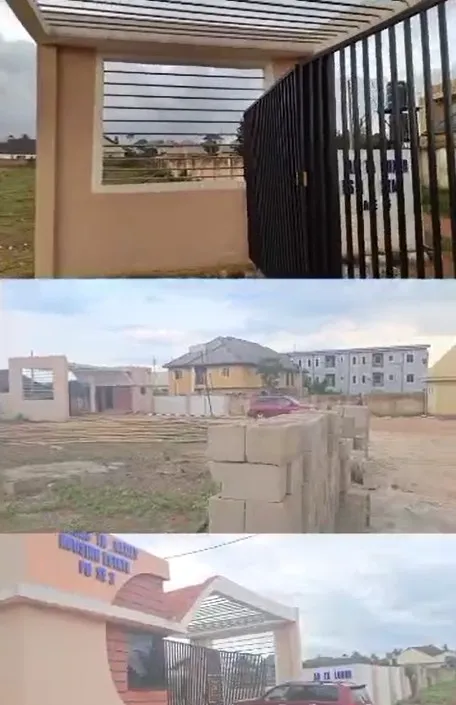
Price:
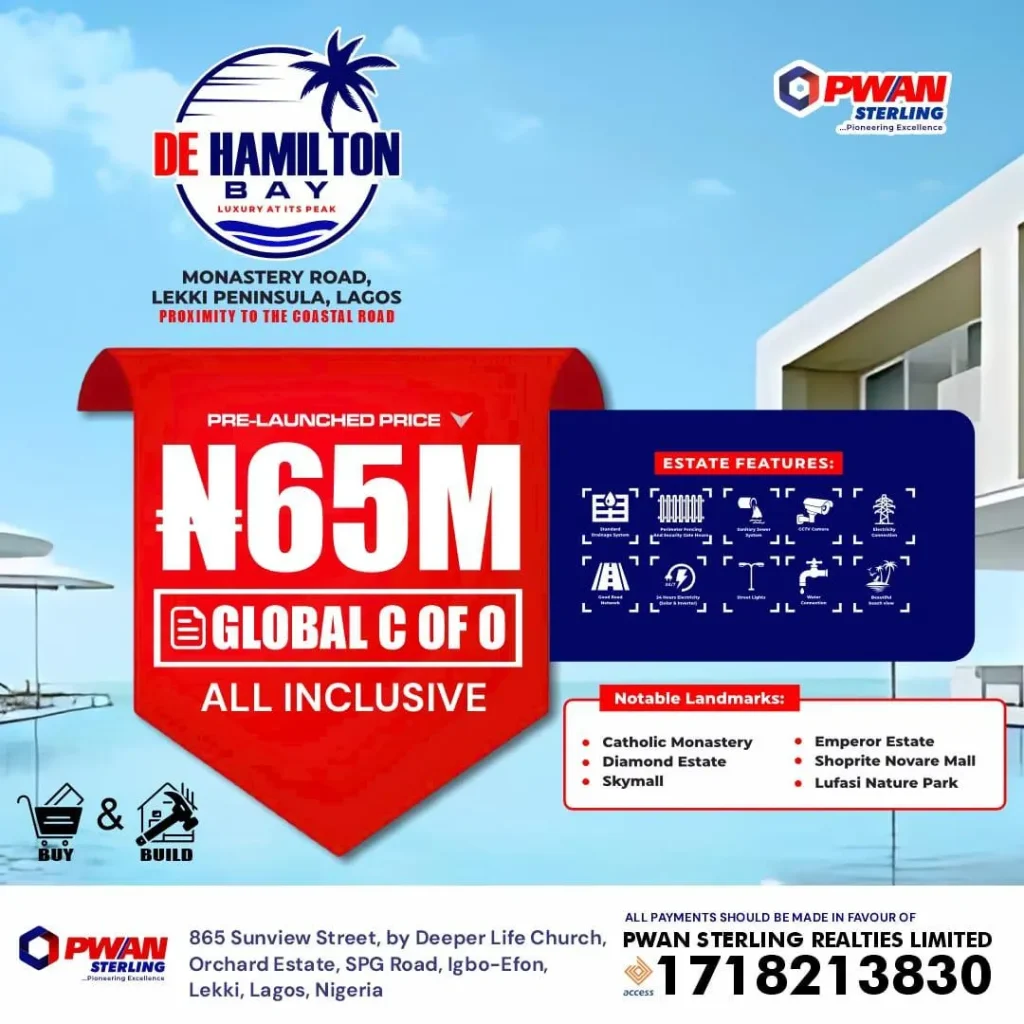
Location: Monastery Road, Lekki Peninsular, Lagos
Price: #65 Million Naira
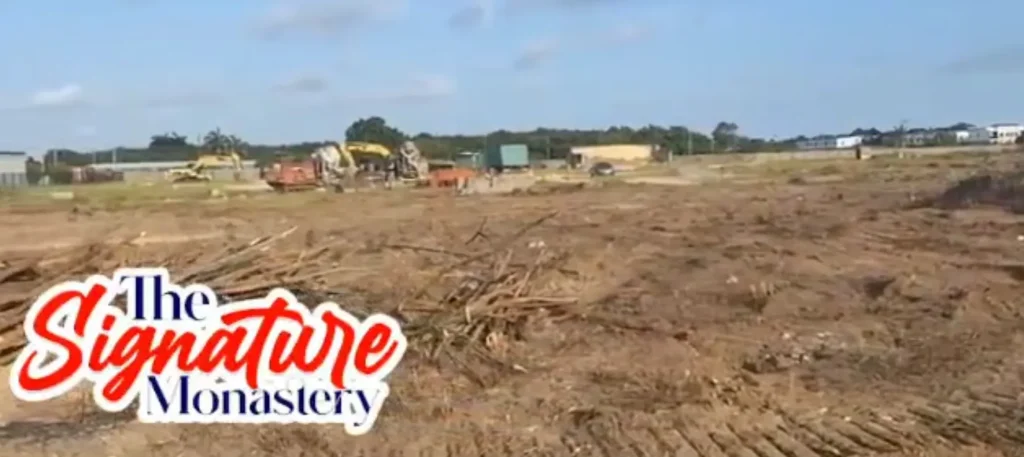
Lekki–Epe Expressway (Just by Shoprite Sangotedo)
Price: #100 million Naira
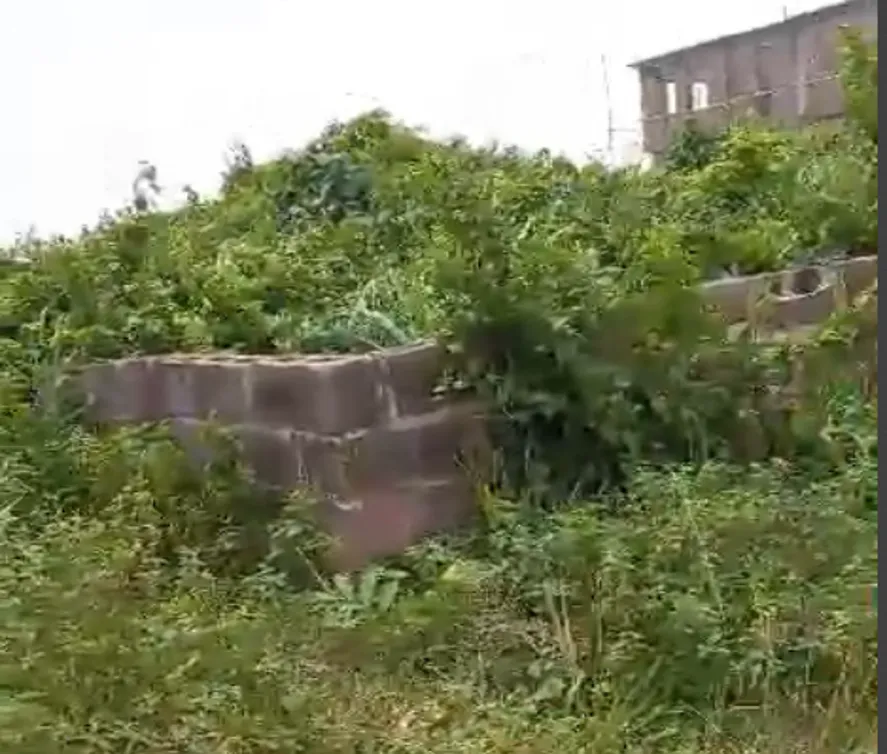
Gudugba-Ogun State – Contac t Usshort drive from Isheri, Lagos State
Price: #20 Million Naira /Negotiable