Belgium Becomes Eighth Creditor to Sign Ghana Debt Restructuring Deal
Post By Diaspoint | March 5, 2026
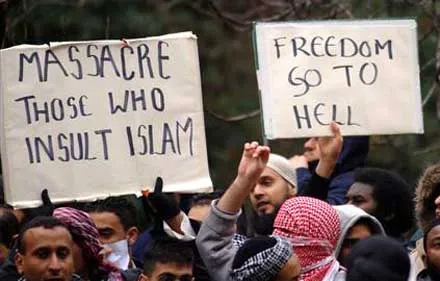
Islam, like other global religions, has not only faced criticism from outside its faith community but has also been the subject of sustained internal debate and rejection. These critiques arise from diverse motivations—political, theological, social, and ethical and are often intensified by the actions of groups or individuals claiming religious justification for violence or exclusion.
Condemnation from within Muslim communities
Across the Muslim world and diaspora communities, mainstream scholars, civil society leaders and ordinary believers have repeatedly condemned violence carried out in Islam’s name. Extremist groups such as ISIS and Al-Qaeda have been denounced by major Islamic institutions, including Al-Azhar in Egypt, the Organisation of Islamic Cooperation, and national councils of imams across Africa, Europe, and Asia.
For example, following attacks in Paris, London, Nairobi, and Baghdad, Muslim organisations globally issued statements rejecting terrorism as a distortion of Islamic teachings, emphasising that the killing of civilians violates core principles of the faith. Grassroots movements such as “Not In My Name” emerged precisely to challenge the appropriation of Islam by violent actors and to assert an alternative, peace-centred interpretation grounded in compassion, justice, and coexistence.
Internal criticism has also extended beyond violence. Reformist thinkers, women’s rights advocates, and younger Muslims have openly questioned patriarchal interpretations, authoritarian religious authority, and the politicisation of Islam by states and militant groups alike. These debates reflect not rejection of Islam itself, but resistance to rigid or abusive interpretations imposed in its name.
Rejection and criticism from outside the faith
From outside Muslim communities, Islam has faced criticism ranging from philosophical disagreement to outright hostility. In some cases, critiques focus on concerns about human rights, freedom of expression, gender equality, or the role of religion in public life. In others, Islam is rejected wholesale, often through generalisations that conflate the actions of extremists with the beliefs of nearly two billion people.
Non-Muslim governments, institutions, and civic groups have also condemned violence associated with Islamist extremism, particularly where it threatens national security or social cohesion. However, such condemnation has at times been accompanied by discriminatory rhetoric or policies that target Muslim communities broadly, reinforcing cycles of mistrust and alienation.
At its most extreme, external rejection has taken the form of Islamophobia, where fear or hostility toward Islam becomes racialised and detached from factual understanding. This not only marginalises Muslims but also undermines constructive engagement with legitimate theological or political critiques.
Between faith, power, and perception
The rejection Islam faces—both internal and external is less about the religion in isolation and more about how it is interpreted, represented, and instrumentalised. Violent extremism, authoritarian governance, and cultural anxiety have all shaped global perceptions, often obscuring the diversity of Muslim belief and practice.
Crucially, the strongest and most consistent condemnation of violence committed in Islam’s name has come from Muslims themselves. At the same time, non-Muslim criticism continues to shape public discourse, sometimes productively through principled debate, and sometimes destructively through exclusion and fear.
Understanding this dynamic requires separating faith from those who misuse it, and recognising that Islam, like any major belief system, contains internal pluralism, ethical debate, and the capacity for peaceful coexistence alongside ongoing contestation.


Price:
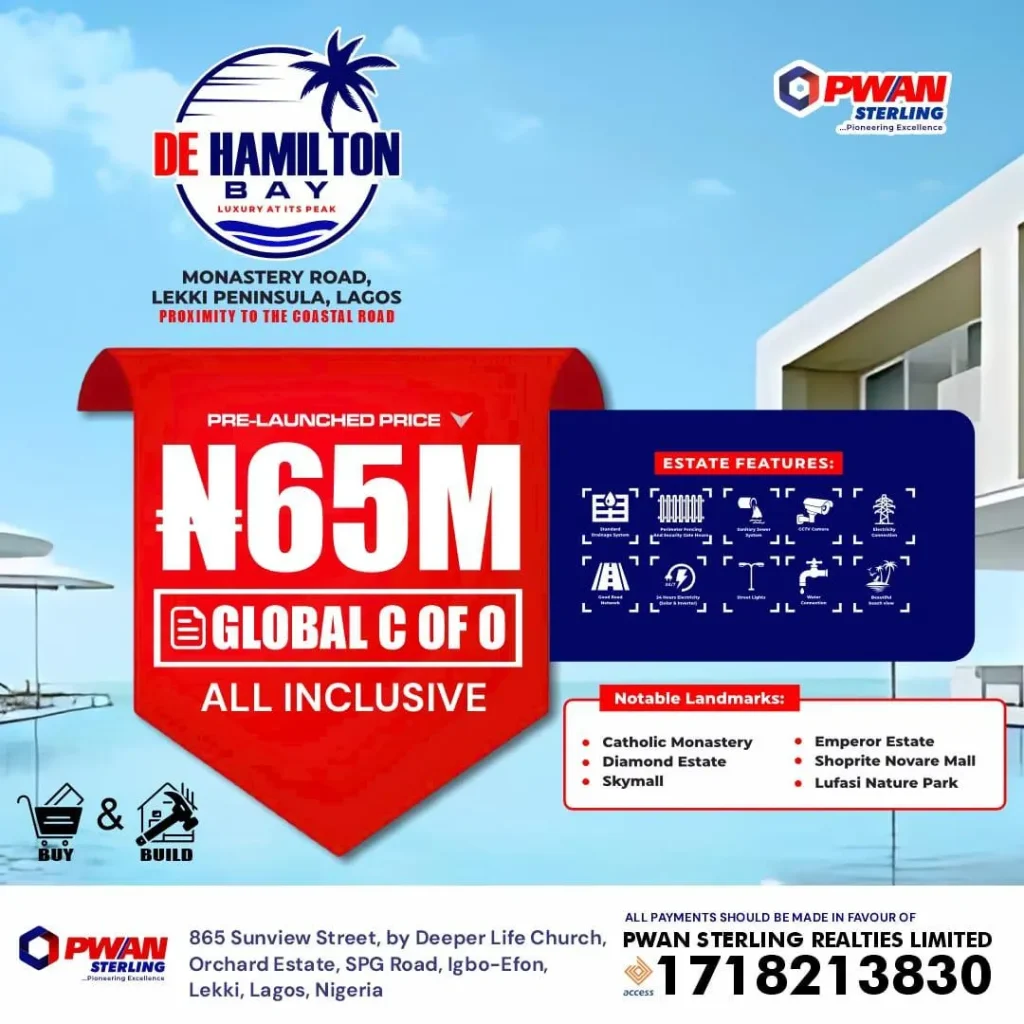
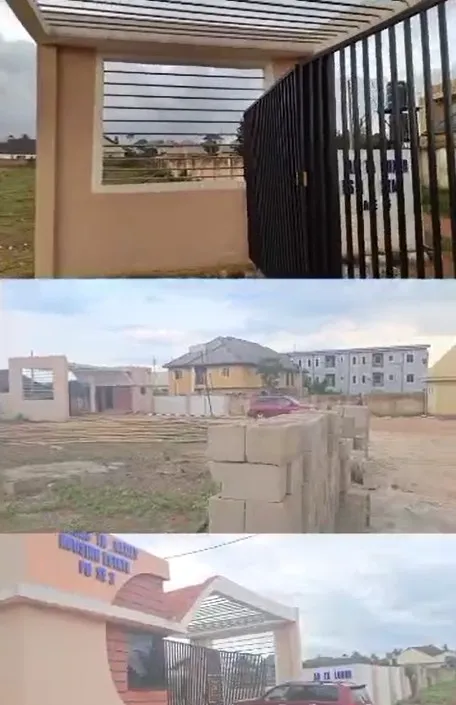
Location: Monastery Road, Lekki Peninsular, Lagos
Price: #65 Million Naira
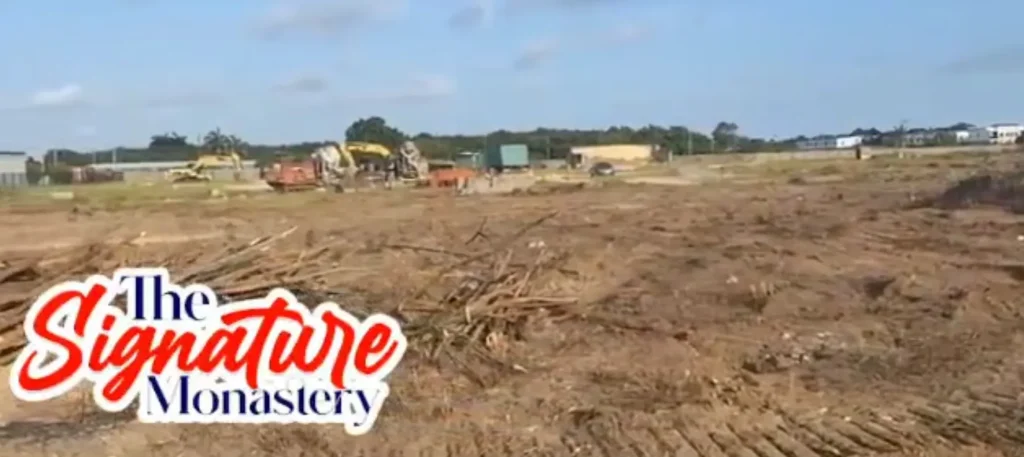
Lekki–Epe Expressway (Just by Shoprite Sangotedo)
Price: #100 million Naira
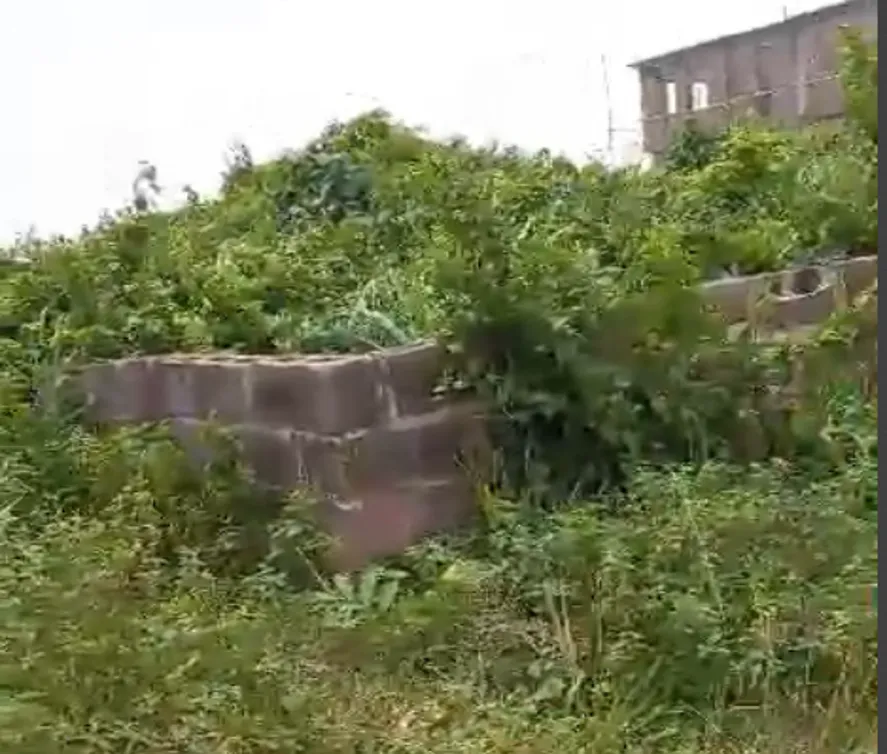
Gudugba-Ogun State – Contac t Usshort drive from Isheri, Lagos State
Price: #20 Million Naira /Negotiable