South Africa Stands Firm After U.S. G20 Boycott, Vows to Uphold Global Unity
Post By Diaspoint | November 9, 2025
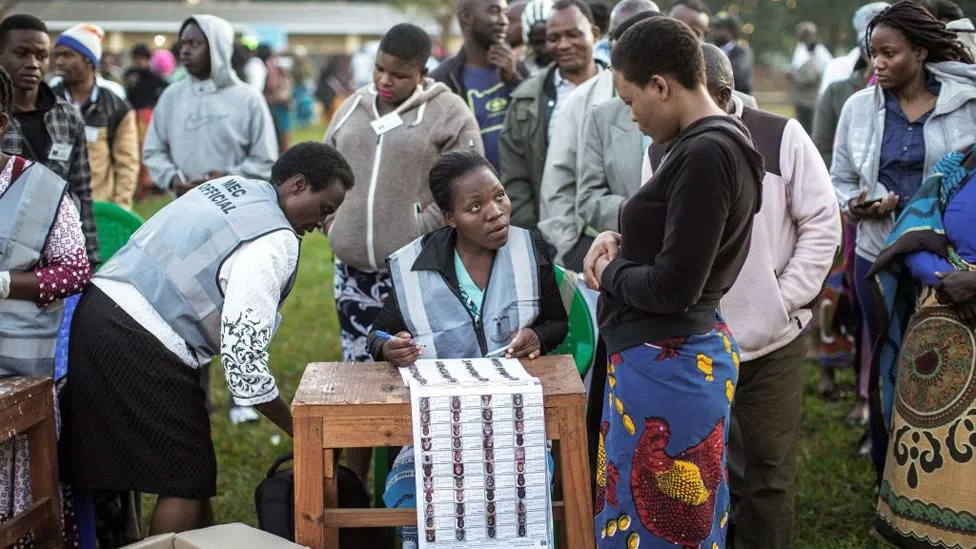
The international community is once again mobilizing to monitor Malawi’s forthcoming elections. The European Union (EU) has already dispatched a 110-member observer mission, including 11 analysts, following an invitation from the Malawi Electoral Commission (MEC) and the Ministry of Foreign Affairs. Deputy Chief Observer Anne Marlborough confirmed their presence in the country yesterday.
The international community is once again mobilizing to monitor Malawi’s forthcoming elections. The European Union (EU) has already dispatched a 110-member observer mission, including 11 analysts, following an invitation from the Malawi Electoral Commission (MEC) and the Ministry of Foreign Affairs. Deputy Chief Observer Anne Marlborough confirmed their presence in the country yesterday.
This situation highlights a troubling reality: few African nations are able to organize elections that are universally deemed credible without foreign supervision. Across the continent, many governments appear to believe that transparency is only possible under the watchful eye of Western observers. In doing so, they consistently overlook their own regional and continental institutions, including the African Union (AU), which are meant to safeguard democratic integrity.
Malawi is no exception. The EU has observed its past elections in 2004, 2009, 2014, and 2019. This year, the Southern African Development Community (SADC) has also deployed a mission, led by former Eswatini Deputy Prime Minister Themba Masuku, in line with Article 3 of the revised SADC Principles and Guidelines Governing Democratic Elections (2021). The SADC secretariat team, which arrived in Lilongwe on September 1, has been monitoring the pre-election climate and will continue to assess polling and post-election processes. Their mandate is to ensure the elections meet standards of freedom, fairness, transparency, credibility, and peace.
Yet, the irony remains glaring. African governments frequently denounce Western interference and neo-colonial influence, but when it comes to organizing their most fundamental democratic processes, they turn to the very same powers they accuse of exploitation. This dependence exposes not only a lack of confidence in African institutions but also a persistent inability to resolve internal affairs with autonomy.
If SADC has already deployed a robust observer mission, why must Malawi still call upon the EU? The continued reliance on Western oversight, despite the presence of regional mechanisms, raises serious questions about the credibility, strength, and independence of Africa’s own democratic frameworks. Until African nations fully empower and trust their continental institutions, the cycle of dependence will remain unbroken.

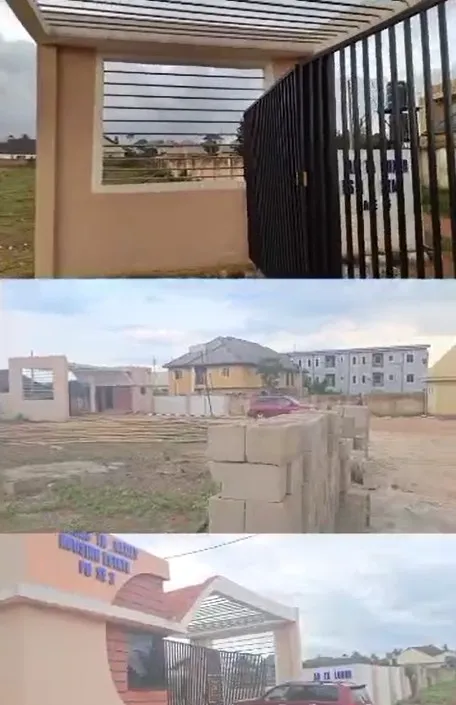
Price:
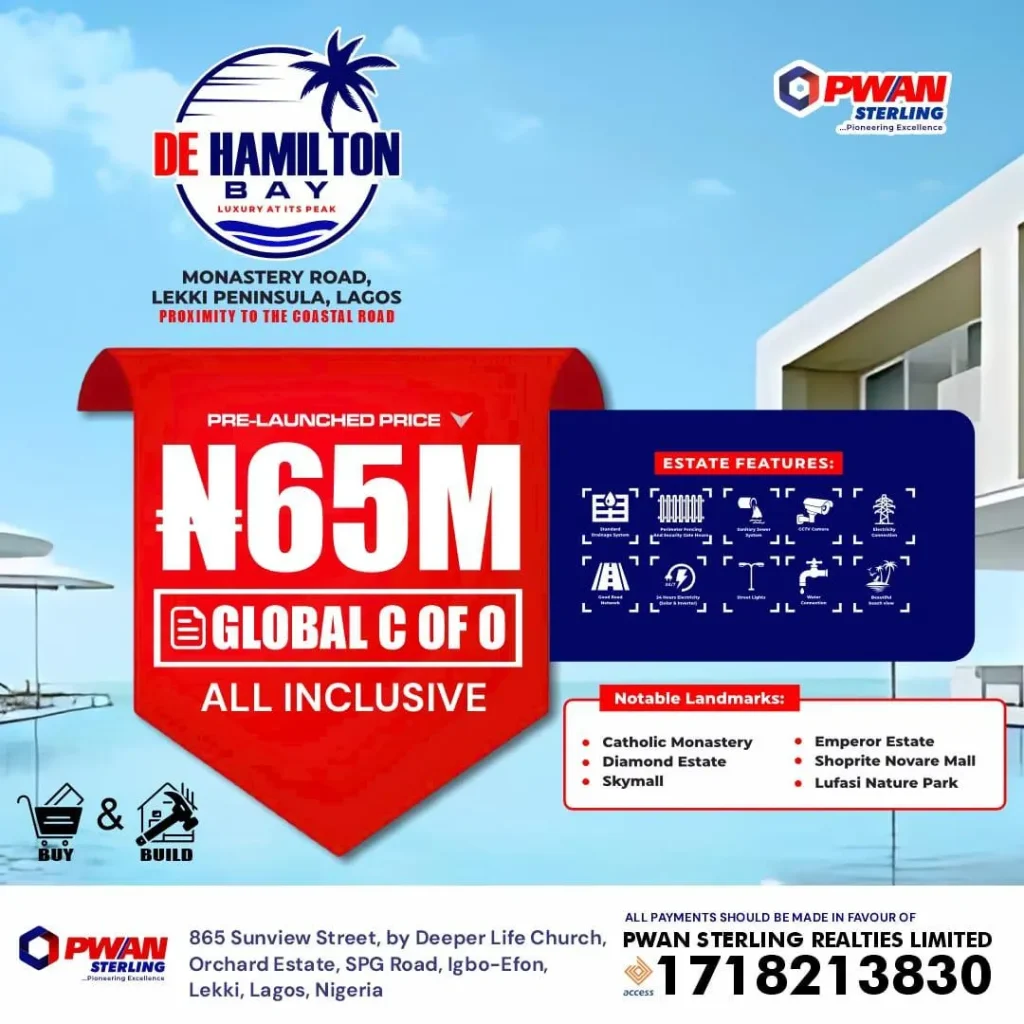
Location: Monastery Road, Lekki Peninsular, Lagos
Price: #65 Million Naira
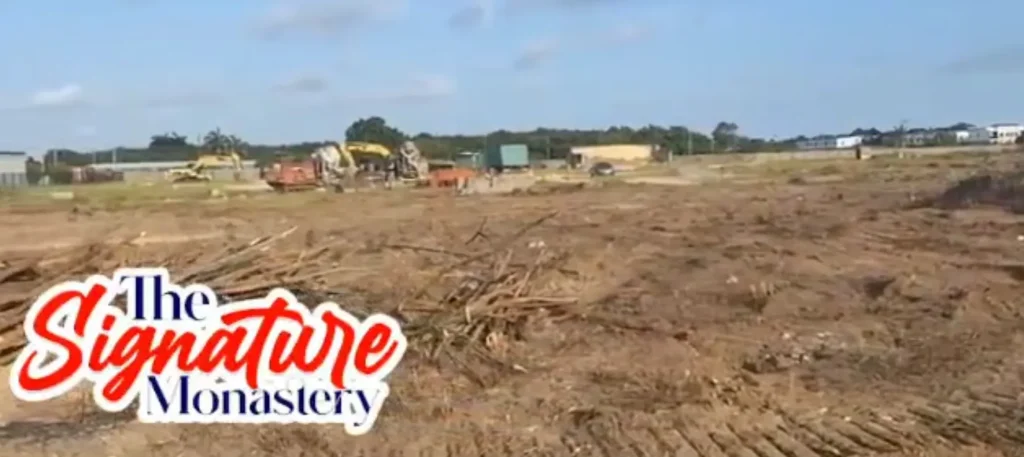
Lekki–Epe Expressway (Just by Shoprite Sangotedo)
Price: #100 million Naira
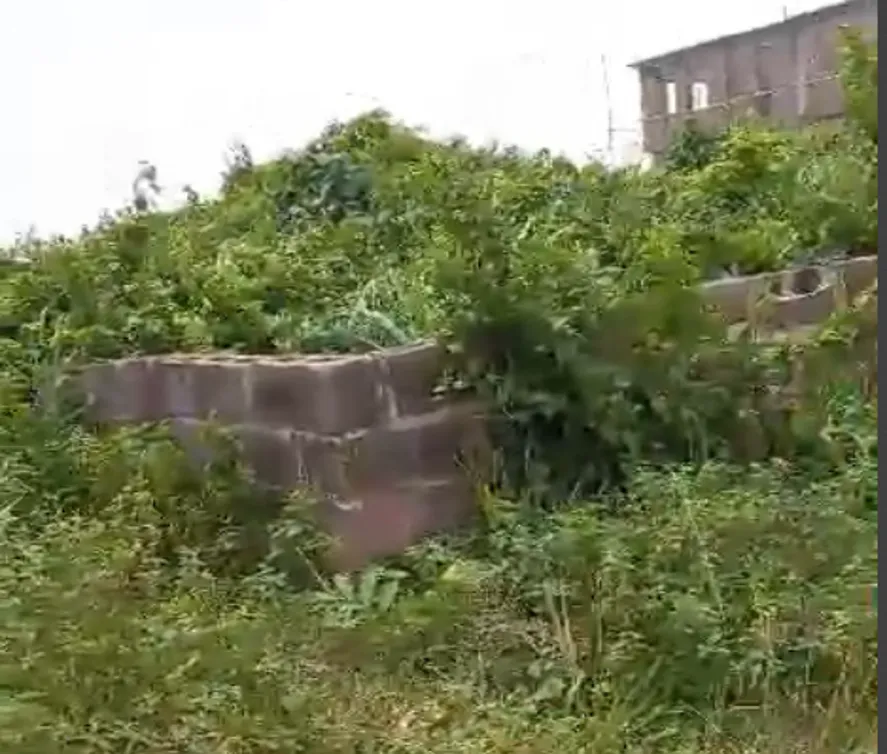
Gudugba-Ogun State – Contac t Usshort drive from Isheri, Lagos State
Price: #20 Million Naira /Negotiable