Post By Diaspoint | March 6, 2026
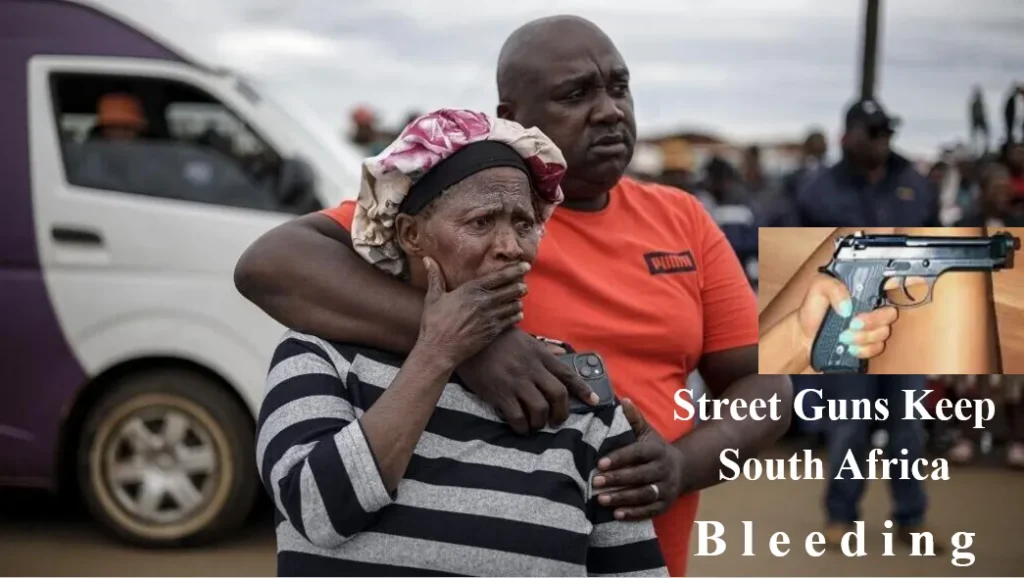
Every day in South Africa about 30 people are shot dead and 43 wounded, more than one shooting every 20 minutes. But the damage extends far beyond those hit by bullets. Gun violence overwhelms hospitals, drains blood supplies, fills operating theatres and ICU beds, and delays treatment for other patients, sometimes fatally.
Doctors report that trauma cases frequently displace other urgent surgeries, illustrating how a single shooting can indirectly claim additional lives. Healthcare workers are burning out, and many are leaving a system pushed beyond its limits.
South Africa’s homicide rate is six times the global average, with firearms increasingly used in murder, robbery and attempted murder. Gun-related killings rose from 31% of murders in 2020 to 44% in 2025, while firearm-related femicide has surged again after earlier declines.
Evidence shows regulation works. After the Firearms Control Act (2000) was strictly enforced, gun deaths halved between 2000 and 2010. But weakened oversight, corruption and rising gun ownership have reversed progress. License applications are now 66% higher than in 2016, expanding the pool of weapons that can be stolen, lost or diverted into crime.
Most illegal guns were once legal firearms, commonly stolen from civilians who lose or report stolen reported to the police. In 2024/25 alone, civilians reported nearly 7,900 lost or stolen guns.
Experts argue that gun violence should be treated as a public health crisis, similar to tobacco or alcohol harm. That approach would prioritise prevention, tighter controls on firearm access, screening for guns in domestic violence cases, and using hospital data to target violence hotspots.
A global coalition launched in 2026 is urging the World Health Organization to recognise gun violence as a major health issue and support countries in prevention efforts. With one of the world’s highest gun violence rates, South Africa is positioned to lead this push.
The central message is gun violence is not inevitable;it is preventable with stronger policy, regulation and political will.


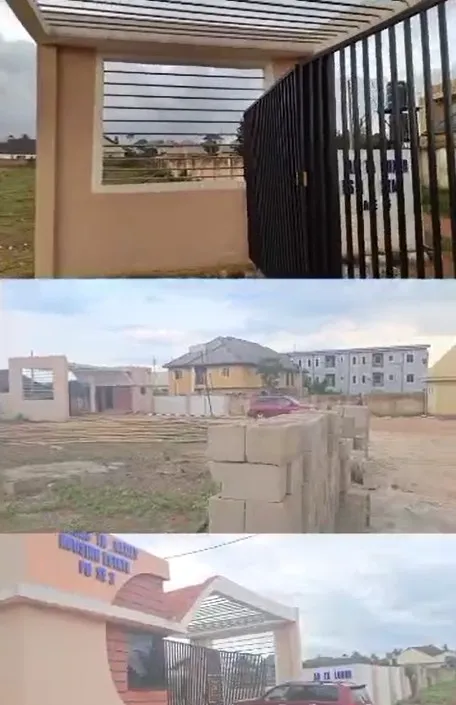
Price:
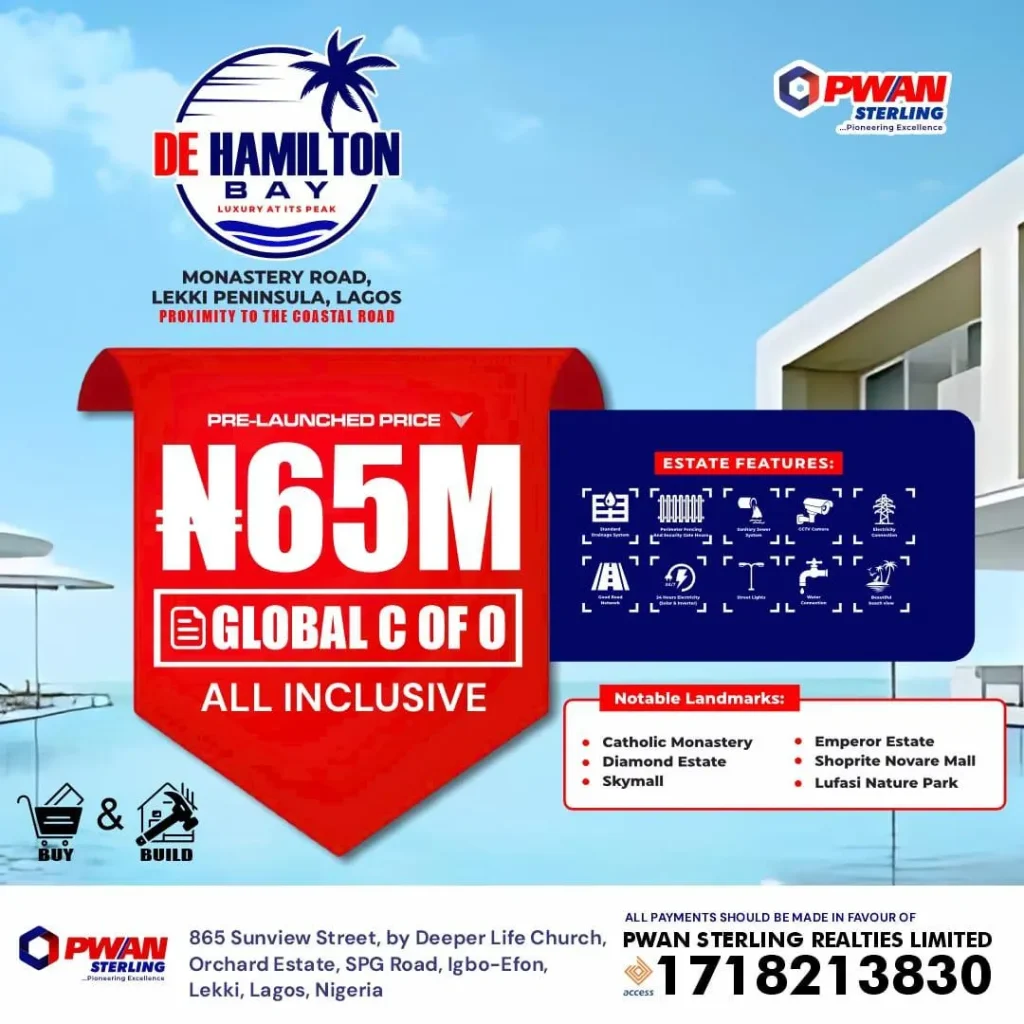
Location: Monastery Road, Lekki Peninsular, Lagos
Price: #65 Million Naira
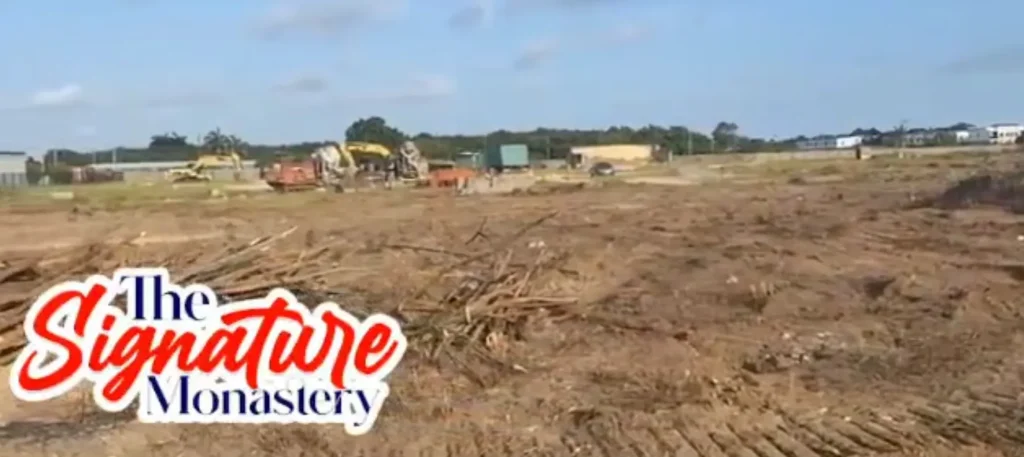
Lekki–Epe Expressway (Just by Shoprite Sangotedo)
Price: #100 million Naira
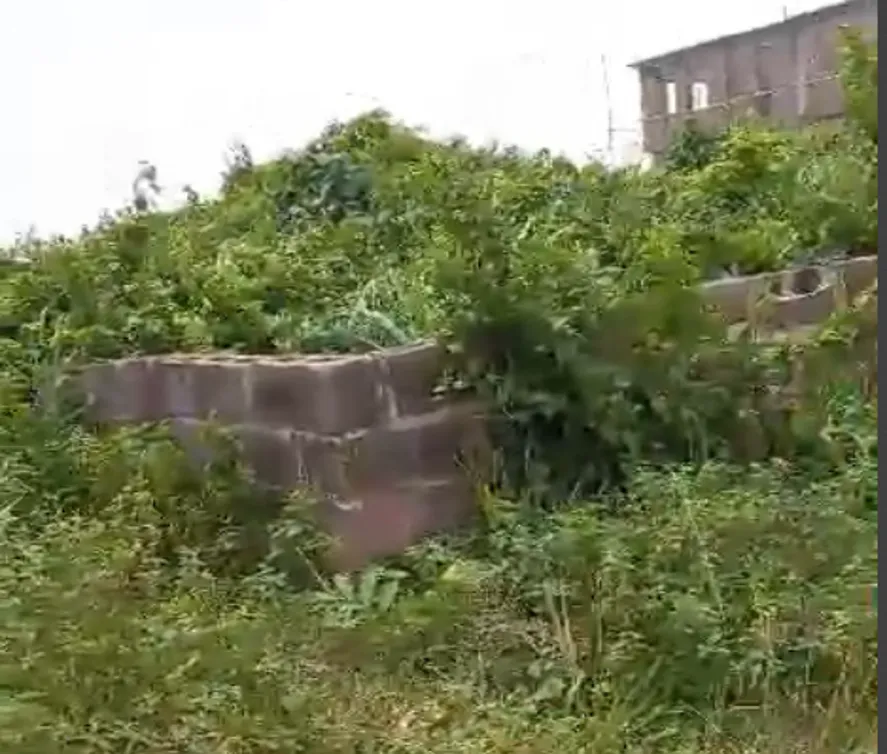
Gudugba-Ogun State – Contac t Usshort drive from Isheri, Lagos State
Price: #20 Million Naira /Negotiable