Ghana Edges Up on Global Corruption Index, but Challenges Persist
Post By Diaspoint | February 10, 2026
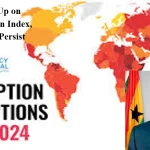
The United States will deploy 200 troops to Nigeria to train and support its armed forces in the fight against terrorist groups, officials from both countries confirmed Tuesday, signaling what normally should be deemed a significant expansion of military cooperation.
The deployment will reinforce a small US team already on the ground assisting Nigerian forces with air strike targeting and intelligence coordination. The additional personnel, expected in the coming weeks, will focus on training, technical guidance and improving coordination between air and ground operations. US officials have stressed that American troops will not participate in direct combat missions.
The move comes as Nigeria grapples with deepening insecurity across multiple regions. In the northeast, a prolonged insurgency by extremist groups such as Boko Haram and Daesh continues to destabilize communities. In the northwest, heavily armed criminal gangs carry out mass kidnappings, village raids and ransom operations, further straining the country’s security architecture.
The deployment also unfolds against a backdrop of diplomatic tension. US President Donald Trump has previously described the violence in Nigeria as persecution or even genocide against Christians — a characterization denied by Nigerian authorities, who argue that the conflict is more complex and affects both Muslims and Christians.
However, the announcement has sparked debate within Nigeria. Critics question whether deeper US involvement will address what they see as systemic weaknesses within Nigeria’s security institutions. Allegations of corruption, infiltration by extremist sympathizers, poor accountability and political interference have long dogged the military and political establishment.
Some Nigerians argue that the country’s armed forces possess sufficient manpower and resources but lack the political will and unified national commitment necessary to decisively confront insecurity. Others express concern that foreign assistance may provide only temporary relief without tackling underlying governance failures, intercommunal tensions and long-standing grievances that fuel violence.
There are also controversial narratives circulating domestically that frame parts of the violence as linked to Fulani ethnic expansionist agendas, claims that remain highly contested and politically sensitive.
Whether the expanded US training mission can strengthen Nigeria’s operational effectiveness without becoming entangled in its complex political and social dynamics remains to be seen.
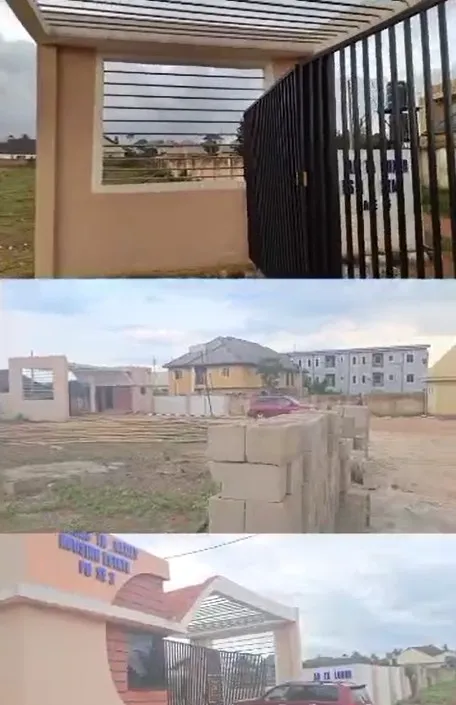
Price:
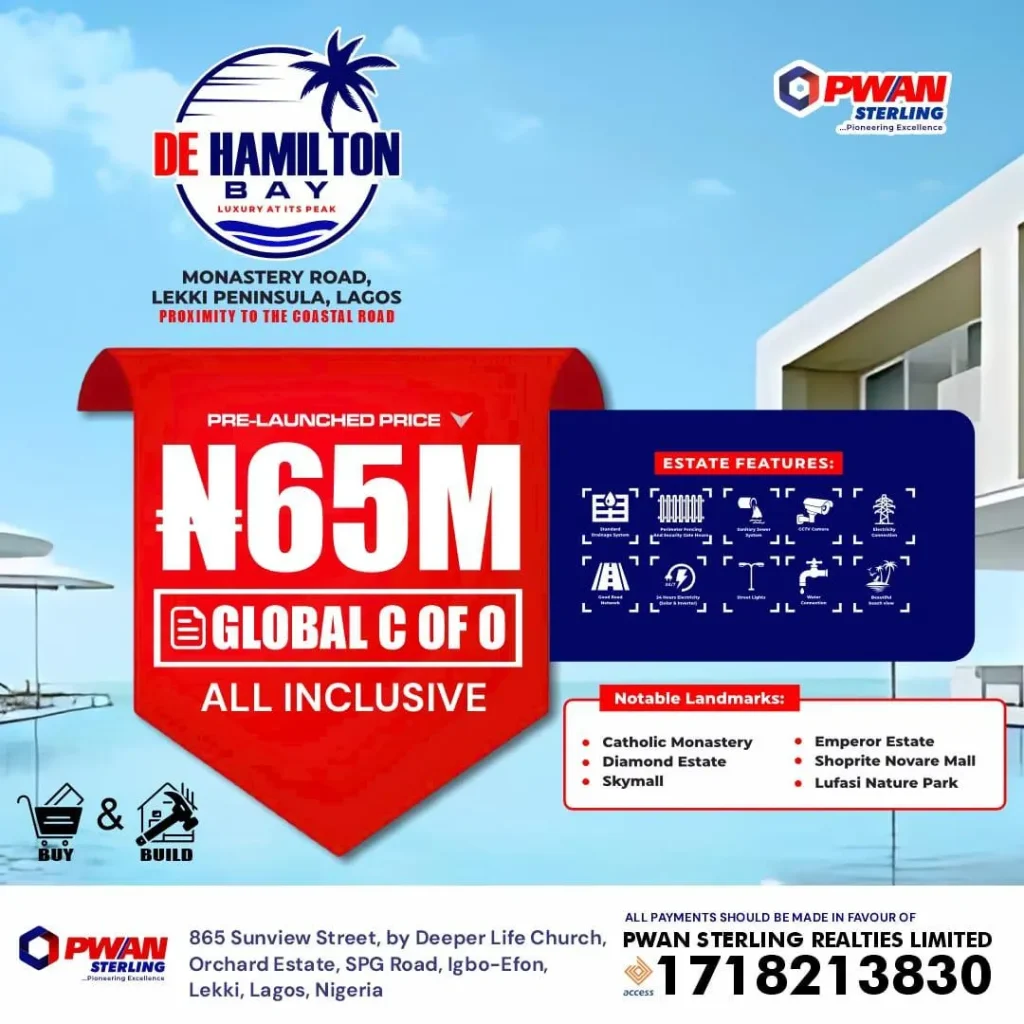
Location: Monastery Road, Lekki Peninsular, Lagos
Price: #65 Million Naira
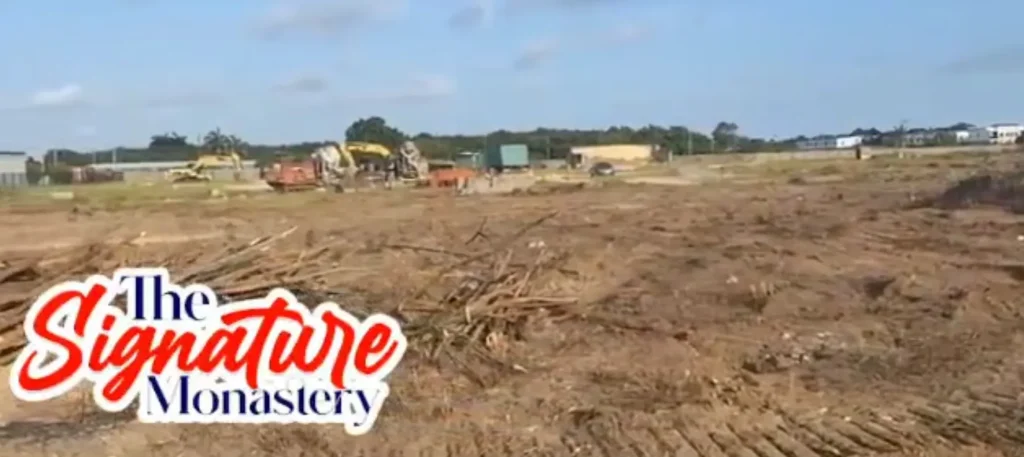
Lekki–Epe Expressway (Just by Shoprite Sangotedo)
Price: #100 million Naira
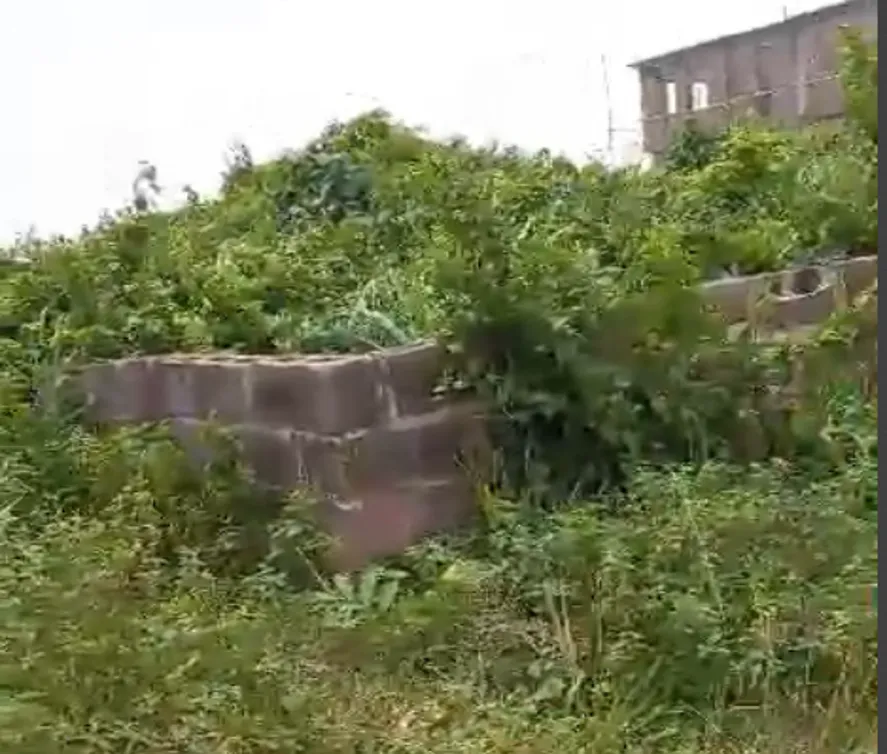
Gudugba-Ogun State – Contac t Usshort drive from Isheri, Lagos State
Price: #20 Million Naira /Negotiable