
Sudan’s War Turns Darker as Reports Emerge of Military’s Chlorine Gas Use
Post By Diaspoint | October 9, 2025

Anger is spreading across Nigeria as the ruling party continues to block the timely electronic transmission of election results, a decision many Nigerians view as a calculated move to reopen avenues for large-scale electoral manipulation.
The insistence on manual collation; despite repeated assurances by the electoral body that technology can improve transparency has revived painful memories of altered figures, delayed results, and shadowy collation processes that have historically undermined elections.
Critics point to well-documented incidents of system manipulation in past polls, where results announced at collation centres sharply contradicted figures uploaded from polling units, fueling public distrust and legal battles.
The controversy surrounding President Bola Tinubu’s emergence has further intensified suspicion, with opposition parties and civil society groups citing disputed result transmissions, technical failures, and unresolved questions from the 2023 elections as evidence that the system remains vulnerable to abuse.
For many Nigerians, the refusal to fully embrace e-transmission is not a technical debate but a political signal; one that suggests a deliberate preference for opacity over accountability.
As faith in the electoral process continues to erode, citizens warn that democracy cannot survive repeated elections where outcomes are shaped more by procedural manipulation than by the will of the voters.

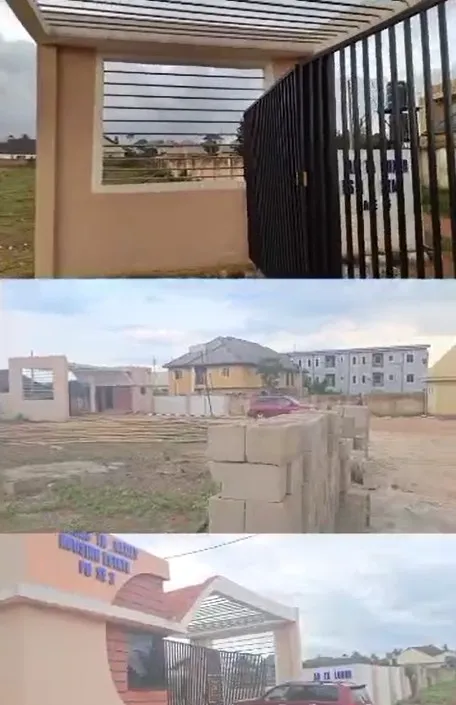
Price:

Location: Monastery Road, Lekki Peninsular, Lagos
Price: #65 Million Naira

Lekki–Epe Expressway (Just by Shoprite Sangotedo)
Price: #100 million Naira

Gudugba-Ogun State – Contac t Usshort drive from Isheri, Lagos State
Price: #20 Million Naira /Negotiable