Ribadu’s Legacy Tarnished: From Anti-Corruption Hero to Pawn of Political Power
Post By Diaspoint | November 6, 2025

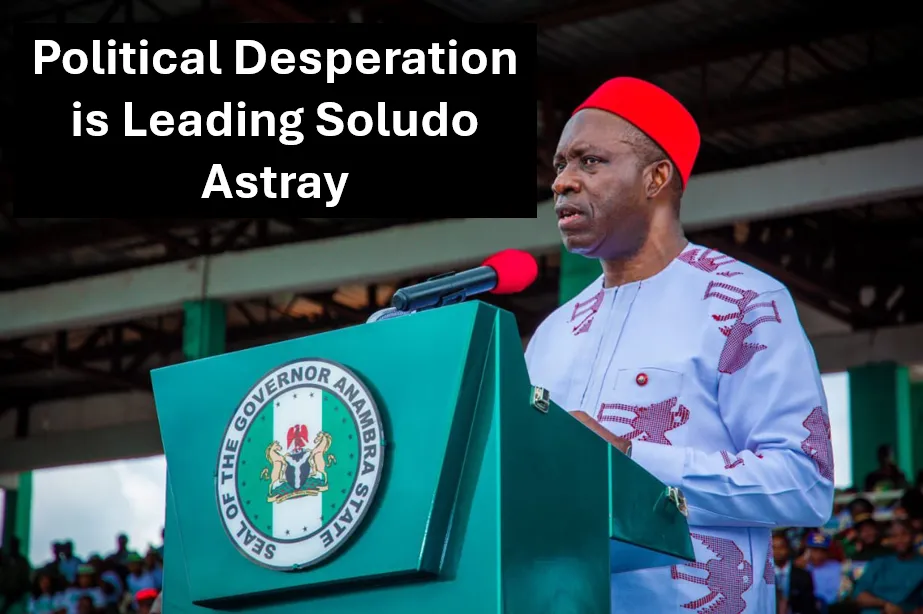
The recent actions of the Anambra State Governor, Professor Charles Soludo, have been widely interpreted as an attempt to finally silence the growing demand for the freedom of Mazi Nnamdi Kanu.
Many observers describe these actions as an effort to “nail the coffin” on the Igbo struggle for self-determination.
Governor Soludo’s decision to shut down the Onitsha Main Market was intended to coerce traders into abandoning the civil disobedience associated with the Monday sit-at-home protests.
This move, however, has been criticised by many as an act of shame and submission, one that undermines rather than advances the Igbo cause. Soludo appears to believe that, following the controversial sentencing of the IPOB leader to life imprisonment,
the people can be compelled to erase all memory of Mazi Nnamdi Kanu and abandon the ideals he represents.
The reaction of the Onitsha traders has sent a powerful message, not only to the Anambra State governor but also to other Igbo political leaders who, openly or covertly, have aligned themselves with efforts to suppress the call for Biafra.
The traders’ response demonstrates that popular resistance cannot simply be crushed through economic pressure or intimidation.mMany critics argue that Soludo’s posture against the demands of his people is part of a broader political calculation:
a bid to prove loyalty to northern power structures and position himself as a “trusted” Igbo leader in any future national political arrangement.
In pursuing this path, Soludo has also taken political aim at fellow Igbo leader Peter Obi, who emerged as the most popular figures in recent national elections.
Within this fierce competition among some Igbo politicians for acceptance by dominant power blocs, figures such as Orji Uzor Kalu, Joe Igbokwe, and others have openly supported what many Nigerians regard as the unjust detention of Mazi Nnamdi Kanu.
This alignment has deepened divisions within the Igbo political class and widened the gap between leaders and the people they claim to represent.
For many Igbos, Soludo’s actions, particularly his perceived role in legitimising the continued incarceration of Mazi Nnamdi Kanu have become a source of collective embarrassment.
The resistance shown by the Onitsha traders underscores a critical truth: political authority does not equate to moral leadership, and Soludo does not possess the mandate to define who truly represents or loves the Igbo people.
It may therefore be time for Governor Soludo to reconsider his approach and retrace his steps. Continued alignment with policies and alliances viewed as oppressive only deepens the injustice confronting the Igbo people in Nigeria and further alienates a population already burdened by historical marginalisation.
Share and comment on DIASPOINT news


Price:

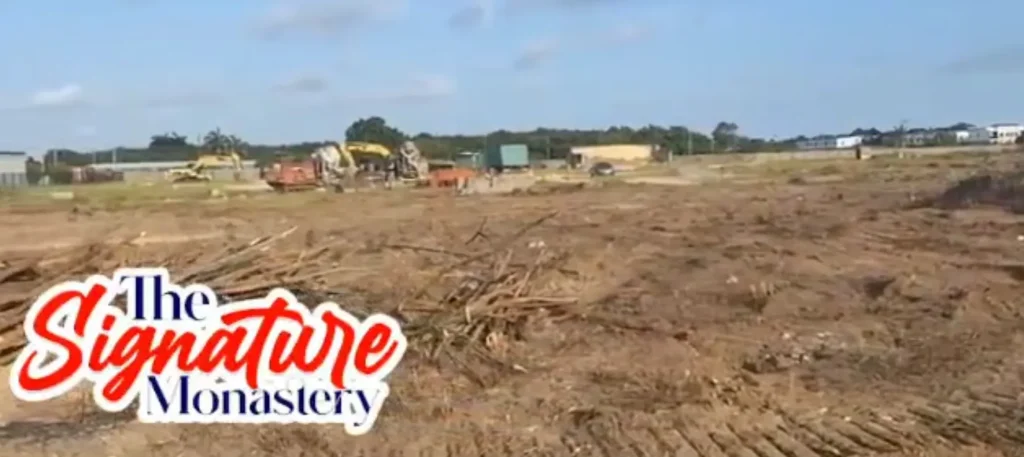
Location: Monastery Road, Lekki Peninsular, Lagos
Price: #65 Million Naira
Lekki–Epe Expressway (Just by Shoprite Sangotedo)
Price: #100 million Naira
Gudugba-Ogun State – Contac t Usshort drive from Isheri, Lagos State
Price: #20 Million Naira /Negotiable