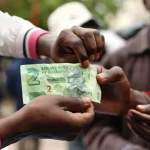
Africa’s Fear of Economic Independence: Zimbabwe’s Dollar Dilemma
Post By Diaspoint | October 24, 2025
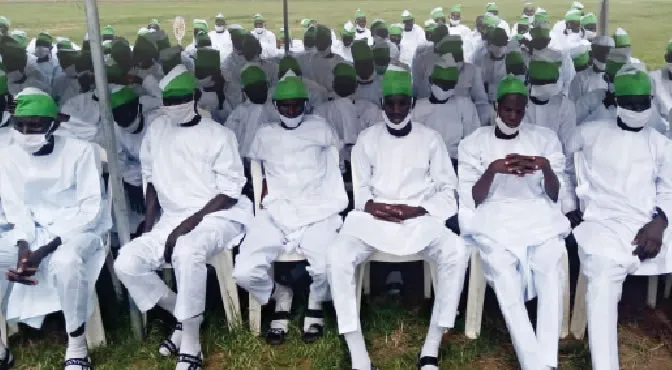
The claim that the United States military will collaborate closely with the Nigerian government to end terrorism in Nigeria is deeply misleading.
Such a partnership, at least in any meaningful operational sense, is highly unlikely. No serious global power would knowingly align its counterterrorism mission with a government widely accused by analysts, civil society groups, and credible reports of enabling the very forces it claims to be fighting.
A fundamental contradiction lies at the heart of Nigeria’s security architecture. Elements within the Nigerian military and political establishment have repeatedly been linked to the protection, rehabilitation, or reintegration of individuals previously identified as terrorists under the guise of “amnesty.” It defies logic that a foreign military conducting a serious counterterrorism operation would rely on forces allegedly compromised by infiltration, divided loyalties, or political interference.
Time and again, military operations in Nigeria have reportedly been undermined by intelligence leaks, with planned actions allegedly exposed to insurgent groups before execution. These breaches are widely believed to stem from internal collaborators embedded within the security forces, an issue that has persisted without meaningful accountability. The credibility of the fight against terrorism is further weakened by allegations that political power structures have shielded these networks for ideological or ethnic interests.
Public assertions by Nigerian authorities that the United States is prepared to work hand-in-hand with its military appear aimed more at preserving international image than reflecting operational reality. Numerous reports have documented allegations of state complicity in terrorism, including the release of detained militants, presidential pardons, logistical support, and the absorption of former insurgents into state security structures. Such patterns are neither hidden nor ignored by U.S. intelligence agencies.
Given these realities, it is implausible that the United States would entrust its mission or its personnel to a partner perceived as unreliable or compromised. Any U.S. engagement in Nigeria’s counterterrorism landscape is far more likely to be limited, cautious, intelligence-driven, and independent, rather than a full partnership with Nigerian military forces.
Until Nigeria demonstrates genuine political will, transparency, and accountability in addressing terrorism, including confronting internal complicity, claims of robust U.S.–Nigeria military collaboration will remain largely symbolic, not strategic.


Price:

Location: Monastery Road, Lekki Peninsular, Lagos
Price: #65 Million Naira

Lekki–Epe Expressway (Just by Shoprite Sangotedo)
Price: #100 million Naira

Gudugba-Ogun State – Contac t Usshort drive from Isheri, Lagos State
Price: #20 Million Naira /Negotiable