Africa’s Fear of Economic Independence: Zimbabwe’s Dollar Dilemma
Post By Diaspoint | October 24, 2025
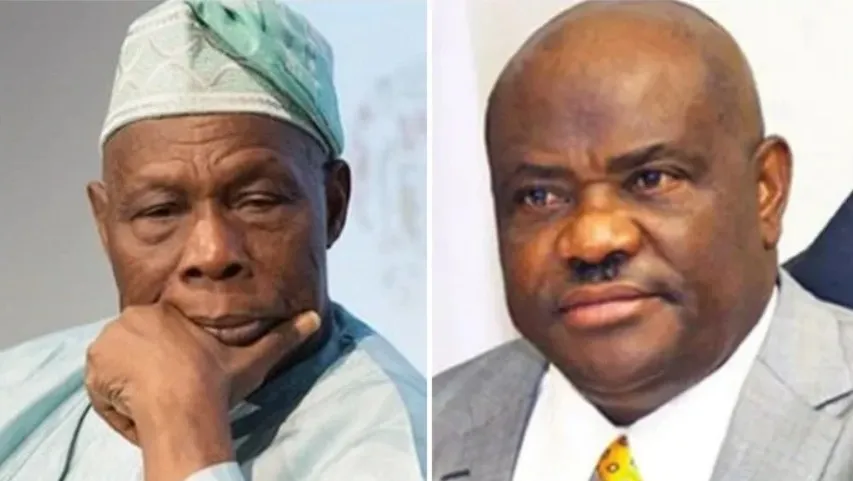
Many Nigerians overlook a critical truth in assessing the collapse of the Peoples Democratic Party (PDP): the first and most damaging blow did not come from Nyesom Wike, but from former President Olusegun Obasanjo himself. Obasanjo, who ruled Nigeria from 1999 to 2007, was the first to publicly undermine and dishonor the very party that restored him to national relevance and power.
Today, Wike is widely portrayed as the reckless politician who finally shattered what was once Africa’s largest political party. Yet even in his excesses, Wike merely followed a path already laid by Obasanjo. In fact, Wike ranks second, far behind Obasanjo in the hierarchy of those who willfully damaged the PDP.
Nigerians seem to have conveniently forgotten the moment Obasanjo publicly tore his PDP membership card. That singular act of contempt set a precedent for indiscipline, disrespect, and political nihilism within the party. It sent a clear message: loyalty to the party was optional, and personal grievances could justify public sabotage. Coming from a former president and supposed elder statesman, the damage was profound.
That act was not just symbolic ingratitude; it was a failure of leadership. Obasanjo ignored the moral weight of his status not only as a former head of state, but as a political mentor to millions. Rather than strengthening democratic norms, he legitimized political recklessness. Even more troubling was the silence, and in some cases applause, of his loyalists, who followed him across the country as he openly weakened the party’s foundations without warning him of the long-term consequences for Nigeria’s political system.
This is the same Obasanjo who now tours the country preaching nationalism and moral renewal. Yet the unresolved question remains: what grievance justified such destructive behavior? A closer look reveals a familiar pattern in Nigerian politics; godfatherism. Obasanjo’s conflict with the PDP stemmed largely from his frustration at losing absolute control over the party. When denied that dominance, he chose destruction over restraint.
Of course, institutions collapse easily when they are weak and overly dependent on powerful individuals. Nigeria’s political parties, including the PDP, lack institutional depth and are designed to revolve around personalities rather than rules. Obasanjo exploited this weakness instead of correcting it.
Had Obasanjo acted as a true statesman, he would have subordinated his anger to the greater good. He would have recognized the danger of setting such a precedent. By today’s standards, restraint would have earned him the moral authority to condemn political lawlessness. Instead, he forfeited that right.
What we see today in the conduct of figures like Wike is not an anomaly, it is a continuation. The PDP began to crack from Obasanjo’s single, reckless action, which many dismissed at the time. Once that line was crossed, every aggrieved actor felt justified in pushing further. The party became so weakened that financiers and strongmen like Wike could capture it as de facto godfathers.
Wike did not invent this culture; he learned it. He learned how to hold a party hostage, how to weaponize money and influence, and how to destroy a political platform the moment it no longer serves personal ambition. That lesson came directly from Obasanjo.
In the end, Obasanjo did not merely criticize the PDP, he normalized its destruction. And in doing so, he paved the way for the political chaos that followed.
Moral Lessons
The clear lesson from this episode is that Nigeria’s leaders still have not learned the discipline of anger control, restraint, and responsibility that true leadership demands. Power, experience, and status mean little when they are not guided by self-control and a commitment to the collective good. When leaders allow personal grievances to override institutional loyalty, they do not merely express anger, they legitimize destruction.
The Obasanjo example shows that the misconduct of senior leaders becomes permission for others to act without limits. Once an elder statesman abandons restraint, younger and more ambitious actors feel justified in behaving worse. What begins as personal bitterness quickly evolves into systemic decay, eroding parties, institutions, and public trust.
Leadership is not tested in moments of praise, but in moments of frustration. A leader who cannot manage anger cannot protect institutions; a leader who places ego above example forfeits moral authority. Until Nigerian leaders learn that dissent must be expressed with discipline and reform pursued without sabotage, the cycle of political breakdown will continue, reproducing stronger godfathers like Nyesom Wike, weaker parties, and a more fragile democracy like the types we have in Nigeria.


Price:

Location: Monastery Road, Lekki Peninsular, Lagos
Price: #65 Million Naira

Lekki–Epe Expressway (Just by Shoprite Sangotedo)
Price: #100 million Naira
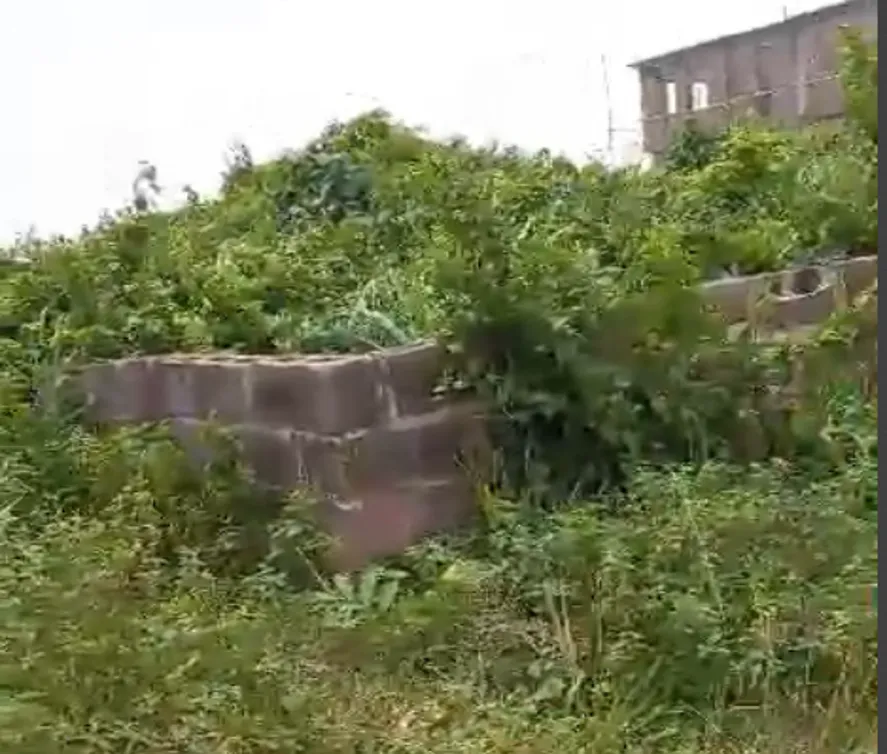
Gudugba-Ogun State – Contac t Usshort drive from Isheri, Lagos State
Price: #20 Million Naira /Negotiable