World Bank Urges Kenya to Raise Taxes to Settle Over KSh 500 Billion Pending Bills
Post By Diaspoint | October 10, 2025

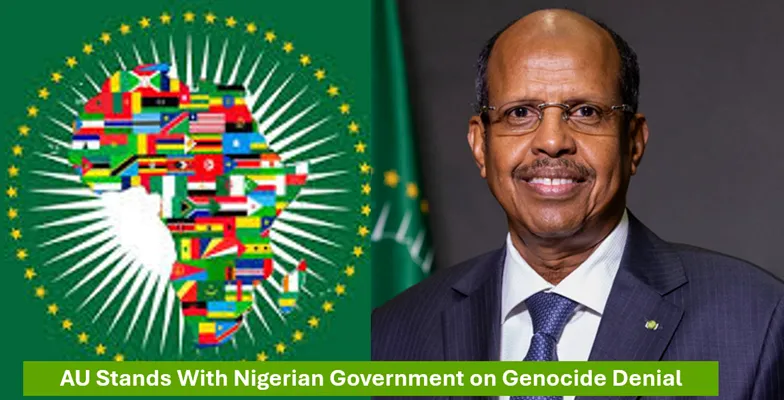
The African Union has once again sided with the Nigerian government, dismissing claims of genocide in the country’s northern region. For many Nigerians, the AU’s quick endorsement came as no surprise. The continental body, long criticized for weak leadership and its reluctance to confront abusive governments, has repeatedly echoed official state narratives while ignoring the lived realities of vulnerable communities.
Across the country, the AU’s latest statement has triggered widespread frustration. Citizens and observers argue that the organization has failed for over a decade to acknowledge or respond effectively to escalating religiously targeted killings, ongoing attacks blamed on Islamic and Fulani armed groups, and a worsening climate of insecurity that residents have consistently documented.
Critics say the AU lacks both the independence and the political will to conduct an impartial investigation into the scale and motives of the violence — despite mounting global concern and repeated allegations of systematic attacks on Christian communities. Instead of seeking truth, many believe the AU continues to prioritize political convenience over human rights.
Public anger has grown further as religious violence intensifies while the Nigerian government continues to face accusations of protecting or overlooking militant elements within its security structure. For a regional body founded to safeguard African lives, citizens expected transparency, urgency, and accountability. What they see instead is an AU far more willing to shield governments than defend citizens.
The controversy has renewed scrutiny of the AU’s leadership. Nigerians in the diaspora, including Mr. Timothy Jebu from Plateau State, argue that the Commission’s direction exposes deeper structural weaknesses. Similarly, Ghanaian diaspora commentator Mr. Kwame Koffi has questioned the competence and independence of AU Commission Chairperson Mahmoud Ali Youssouf, citing his political roots in Djibouti’s widely criticized governance environment. Critics say such backgrounds do little to inspire confidence in an institution that desperately needs strong, democratic, and citizen-focused leadership.
Many point out that AU leadership pipelines often reward loyalty over competence — reinforcing a culture of unaccountability at the top. This, they argue, explains why the AU routinely aligns with embattled governments while avoiding difficult truths, even when civilian lives are at stake.
To frustrated Africans, the AU’s stance on Nigeria’s crisis has become symbolic of a deeper institutional failure: a body entangled in diplomacy, political patronage, and denial, unable or unwilling to fulfill its founding mission.
So a difficult question remains:
Can Africans still expect decisive, people-centered leadership from the AU — or has the institution abandoned its purpose?
Share your thoughts.


Price:
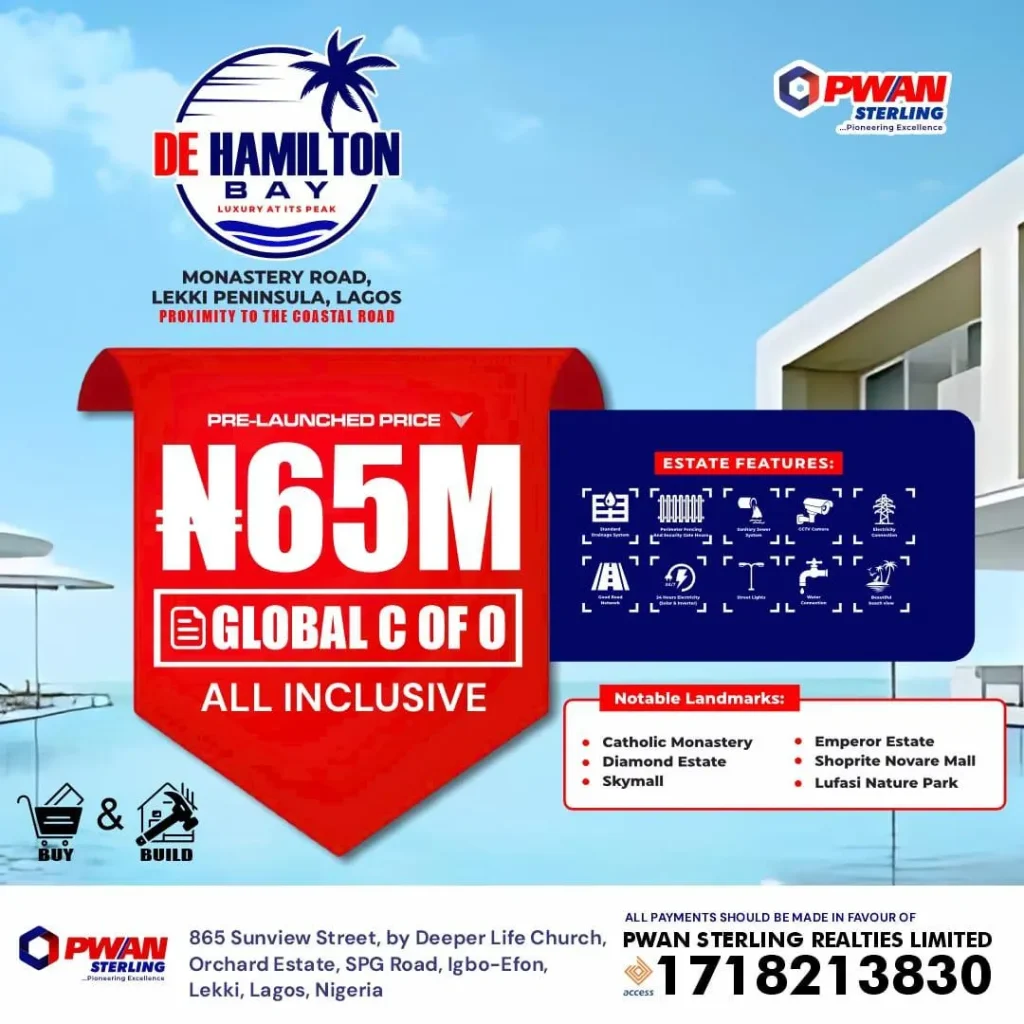
Location: Monastery Road, Lekki Peninsular, Lagos
Price: #65 Million Naira

Lekki–Epe Expressway (Just by Shoprite Sangotedo)
Price: #100 million Naira

Gudugba-Ogun State – Contac t Usshort drive from Isheri, Lagos State
Price: #20 Million Naira /Negotiable