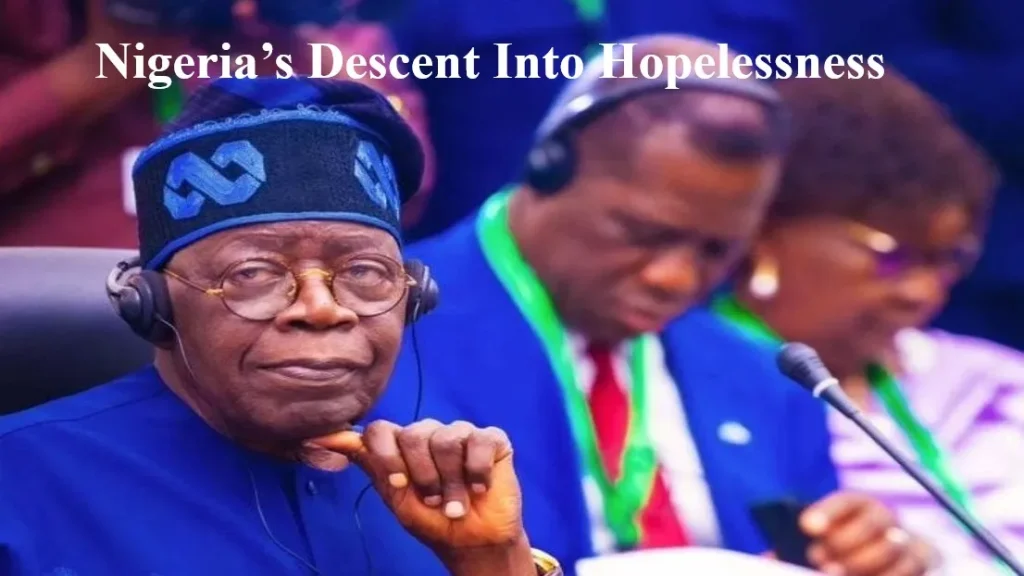
Africa’s Fear of Economic Independence: Zimbabwe’s Dollar Dilemma
Post By Diaspoint | October 24, 2025
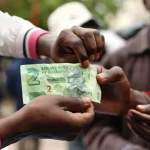
Nigeria’s tragedy has never been the absence of wealth, but the celebration of those who have plundered it. The country bleeds not from poverty of resources, but from the poverty of integrity among those who have ruled it.
More than $16 billion was reportedly spent under the Obasanjo-Atiku administration to reform the power sector. Yet, two decades later, Nigeria remains trapped in darkness; both literal and moral. As the activist Dele Farotimi once quipped, that colossal investment was used “to provide darkness for Nigerians.”
Today, the same figures who presided over that monumental failure still pose as prophets of good governance. Former President Olusegun Obasanjo tours the world lecturing on leadership, while Atiku Abubakar hops between political parties chasing the presidency like a man possessed by unfinished ambition. Meanwhile, millions of Nigerians endure nights without electricity, days without work, and lives without hope.
The greater tragedy, however, is not just in their audacity, it is in the collective amnesia of a people who applaud their tormentors. A nation that rewards failure and venerates its architects of ruin has abdicated its right to a future. Nigeria’s moral decay is not only in the corridors of power but also in the hearts of citizens who excuse corruption as destiny and mistake resilience for progress.
Our political class thrives on excuses, endlessly comparing Nigeria’s dysfunction to the temporary struggles of other nations without ever emulating the discipline, vision, and sacrifice that turned those countries around. Their rhetoric of “hope” rings hollow in the face of worsening poverty, collapsing infrastructure, and a generation slipping into despair.
If Nigerians do not awaken from this political hypnosis, the darkness that began as a power failure will harden into a national fate. The day we stop holding leaders accountable is the day we accept hopelessness as our inheritance.

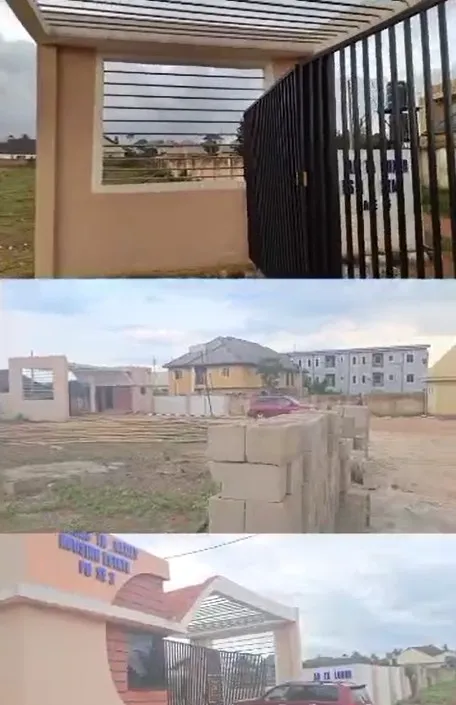
Price:
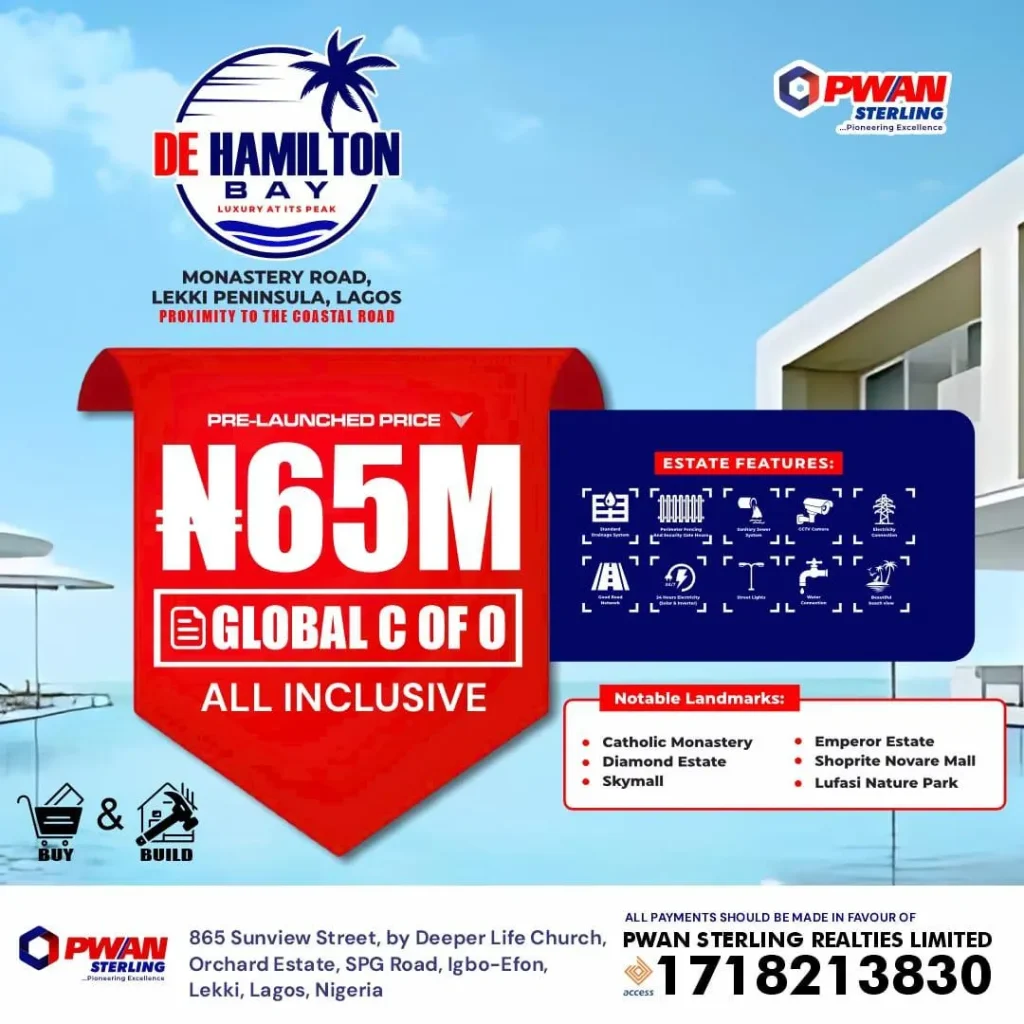
Location: Monastery Road, Lekki Peninsular, Lagos
Price: #65 Million Naira
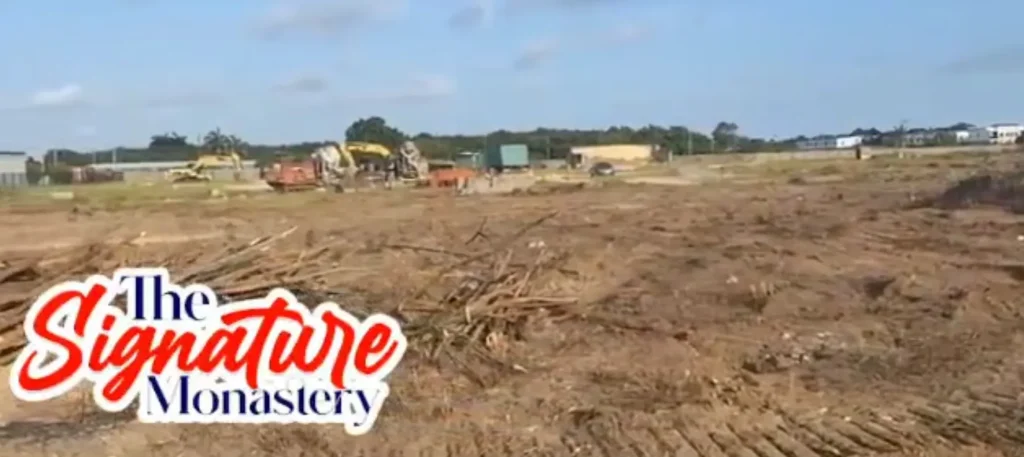
Lekki–Epe Expressway (Just by Shoprite Sangotedo)
Price: #100 million Naira
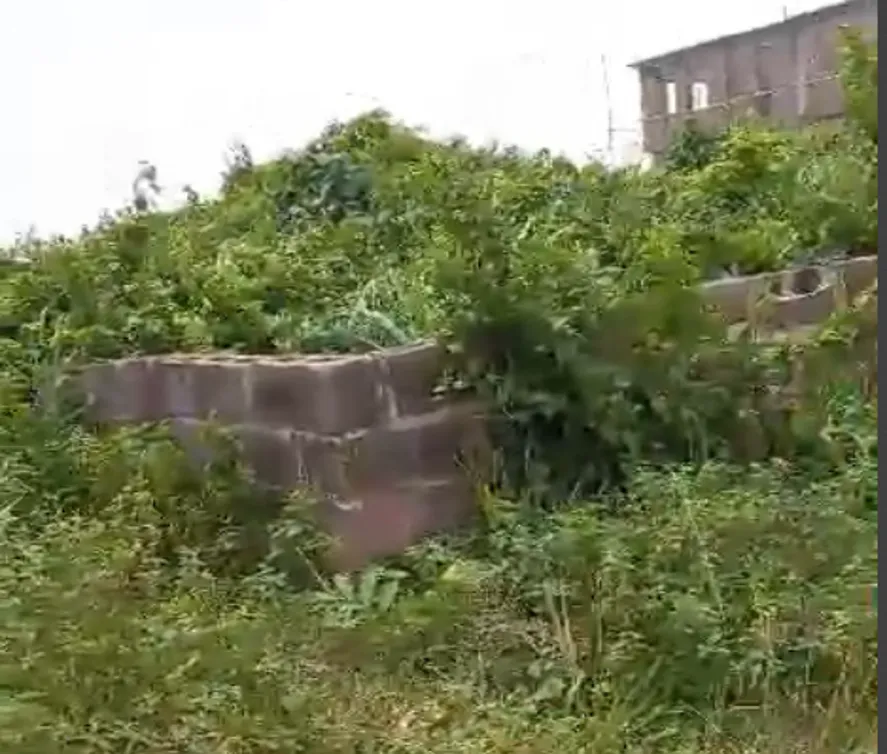
Gudugba-Ogun State – Contac t Usshort drive from Isheri, Lagos State
Price: #20 Million Naira /Negotiable