Amidst Debt crisis: Kenya secures another Sh193.8 billion Eurobond
Post By Diaspoint | October 6, 2025
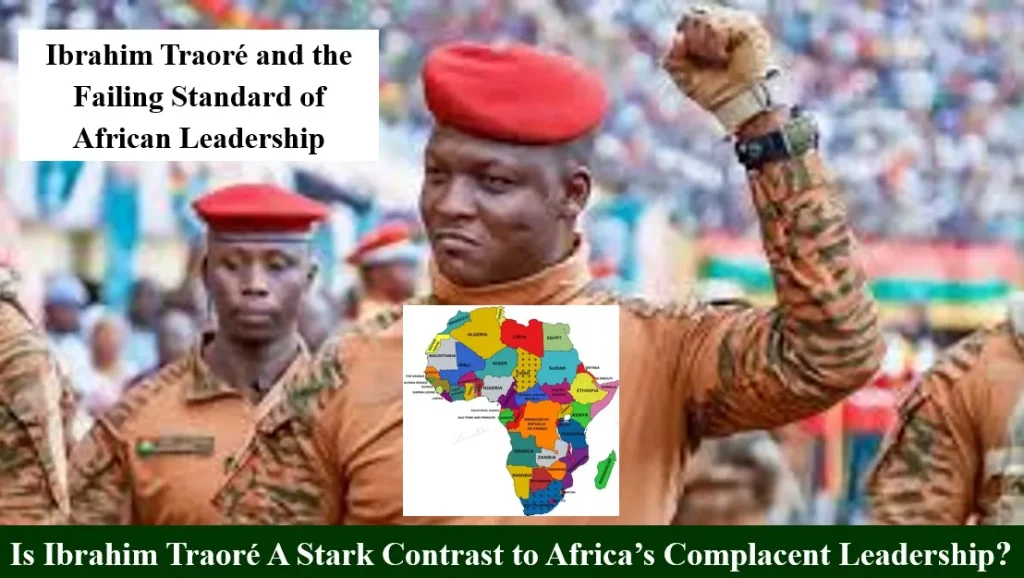
Captain Ibrahim Traoré of Burkina Faso has emerged as one of the most talked-about young leaders in Africa not because of his age or military background, but because of his bold defiance of the status quo that has long defined African politics.
In less than two years in power, Traoré has presented himself as a leader driven by national interest, integrity, and self-reliance, qualities that stand in sharp contrast to the complacency and corruption that plague many of his continental peers.
While much of Africa’s leadership remains subservient to foreign powers, clinging to aid dependency and recycled political rhetoric, Traoré has taken a different path, asserting sovereignty, rejecting external manipulation, and calling openly for African unity grounded in dignity and self-determination.
He speaks a language of accountability and independence that resonates deeply with a generation disillusioned by decades of unfulfilled promises.
In contrast, many African heads of state continue to govern through fear and greed, enriching a narrow elite while citizens sink deeper into poverty. They preside over nations rich in resources yet barren in opportunity, preaching democracy but practicing repression. Their loyalty lies not with their people, but with international financiers and the very systems that perpetuate Africa’s underdevelopment.
Traoré’s leadership, whether one agrees with his methods or not, exposes the moral bankruptcy of Africa’s political establishment. While others seek validation from Western capitals, he speaks unapologetically about African self-determination. While others spend billions on vanity projects and political patronage, he channels national energy toward security, education, and economic sovereignty.
The difference is clear: Traoré embodies conviction; many others embody convenience. His rise has challenged a generation of African leaders to reflect on what true leadership means not the performance of power, but the courage to serve one’s people, confront corruption, and chart an independent course.
If more African leaders possessed even a fraction of Ibrahim Traoré’s resolve and integrity, the continent’s story might finally shift from one of perpetual promise to one of real progress.

Price:
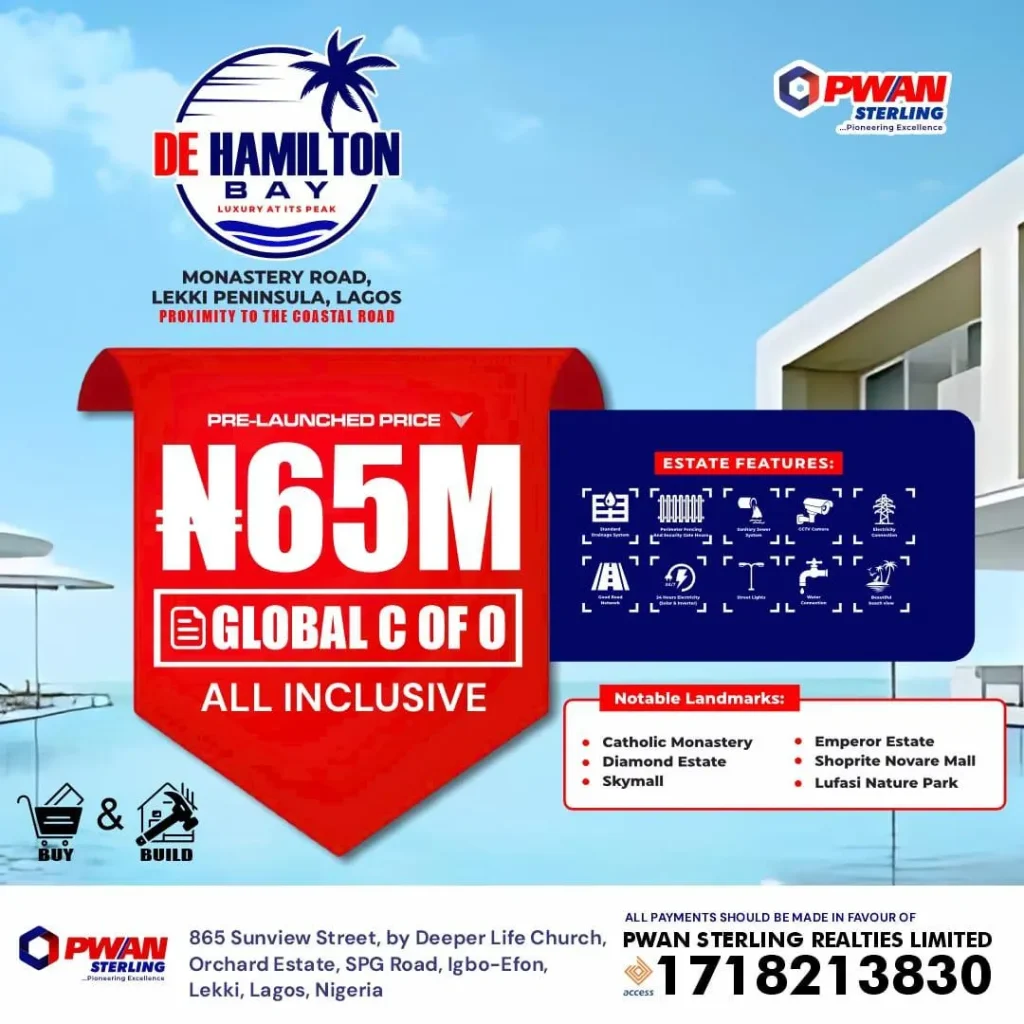
Location: Monastery Road, Lekki Peninsular, Lagos
Price: #65 Million Naira
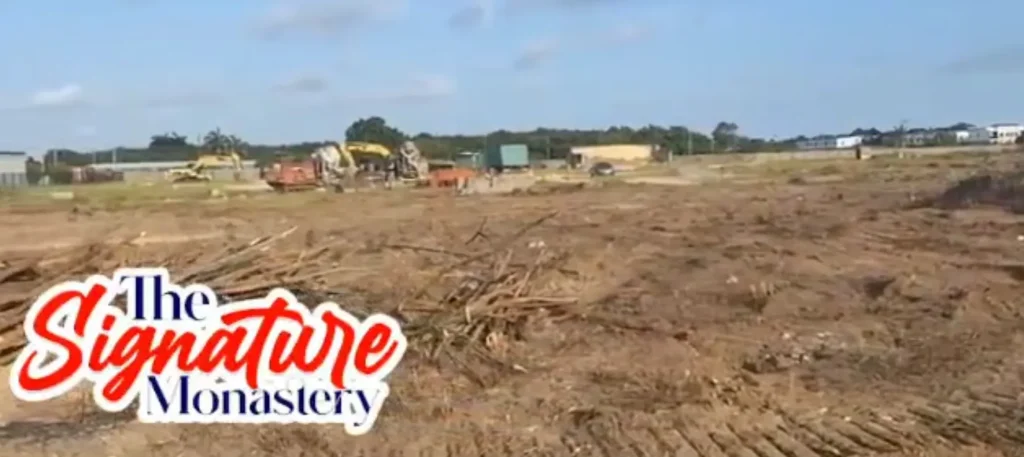
Lekki–Epe Expressway (Just by Shoprite Sangotedo)
Price: #100 million Naira
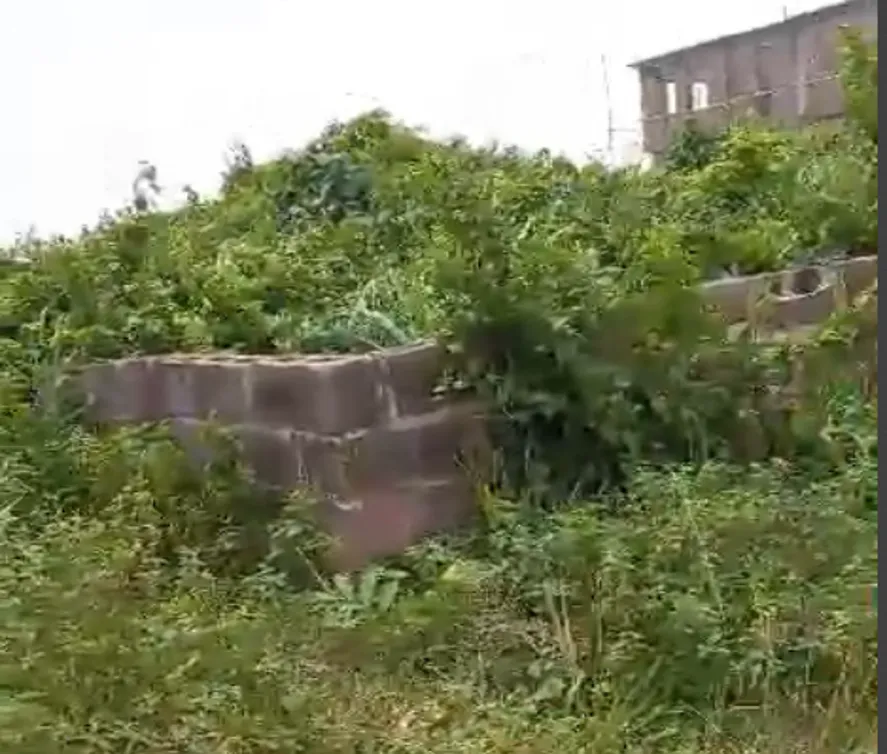
Gudugba-Ogun State – Contac t Usshort drive from Isheri, Lagos State
Price: #20 Million Naira /Negotiable