Opposition Leader in Cameroon Reports Abduction of Family Members and Personal Staff
Post By Diaspoint | October 31, 2025
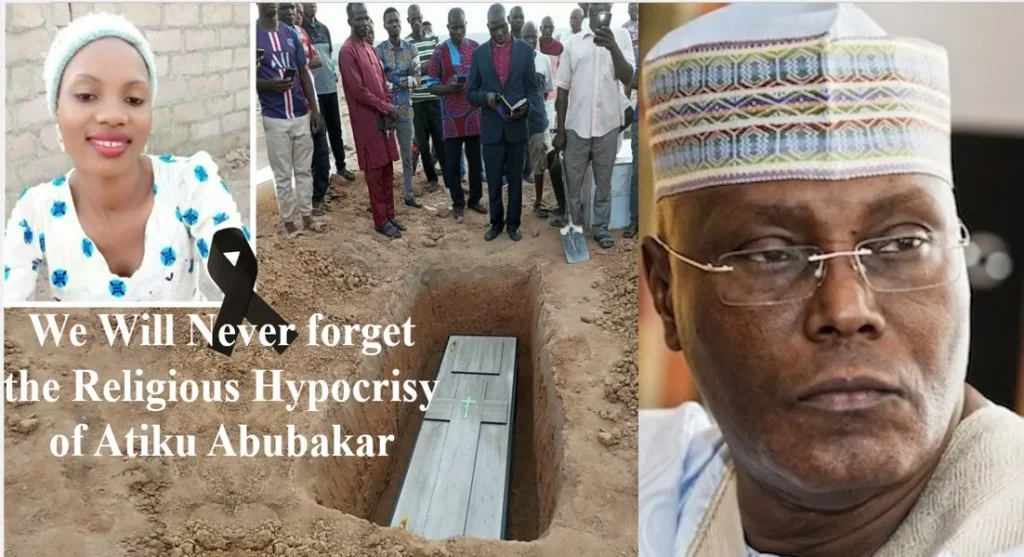
It will be recalled that shortly before the 2023 general elections, a young female university student in one of Northern Nigeria’s Sharia-governed states was brutally stoned to death in full view of law enforcement officers.
Her “crime” was expressing an opinion on a students’ WhatsApp group that some fanatical youths interpreted as blasphemy against the Prophet.
This tragic case was not an isolated incident. It was one of countless episodes of violence against Christians in northern Nigeria, acts often incited by extremist clerics and carried out with impunity.
Ironically, this particular killing occurred at the height of the election season and provoked a nationwide outcry, especially from frightened Christian communities. In response, the campaign office of former Vice President and perennial presidential candidate Alhaji Atiku Abubakar initially issued a statement condemning the killing. But within 24 hours, Atiku withdrew the statement, reportedly under pressure from northern Muslim groups who threatened to withdraw their political support.
Atiku’s brief moment of moral courage evaporated the instant it collided with his political calculations. His reversal revealed the weakness of a man more concerned about votes than values, and more loyal to sectarian appeasement than to justice or humanity.
As a Fulani political elite, Atiku has long benefited from the same culture of impunity and privilege that shields perpetrators of religious violence. His silence in the face of these atrocities is both telling and complicit. It reflects a man who, for the sake of ambition, refuses to offend his political base even when innocent blood is shed.
While international voices like Donald Trump’s recent statement have drawn global attention to the mass killing of Christians in Nigeria, Atiku Abubakar has chosen silence. Not a word. Not even a symbolic gesture of empathy toward the victims. Yet this same Atiku finds his voice to join selective political causes, such as calling for the release of Mazi Nnamdi Kanu; a move seen by many as political opportunism rather than conviction.
Nigerians are now asking: Where does Atiku Abubakar stand on the ongoing genocide against Christians?
Does his silence signal approval, fear, or sheer political expediency?
At a time when even the world is beginning to recognize the magnitude of the crisis, Atiku’s absence from the moral debate speaks louder than any speech he could ever give.

Price:

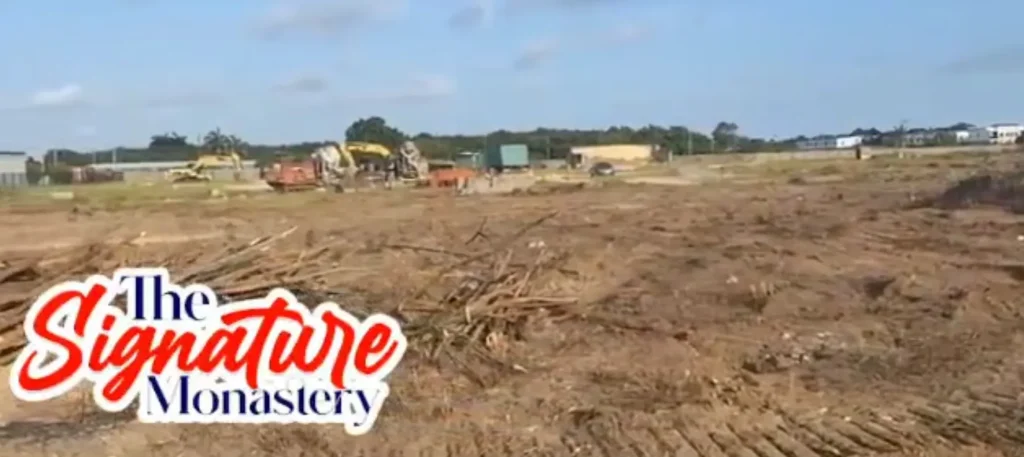
Location: Monastery Road, Lekki Peninsular, Lagos
Price: #65 Million Naira
Lekki–Epe Expressway (Just by Shoprite Sangotedo)
Price: #100 million Naira
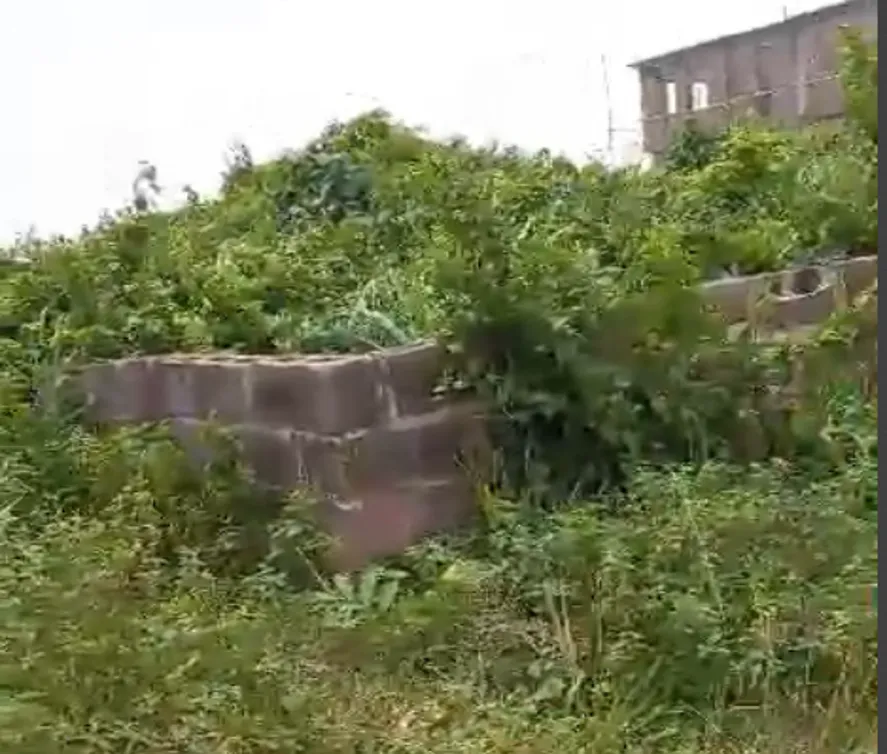
Gudugba-Ogun State – Contac t Usshort drive from Isheri, Lagos State
Price: #20 Million Naira /Negotiable