US Agency Says: “We Notified FG, Military, DSS About Yelwata Attack Multiple Times”
Post By Diaspoint | November 6, 2025
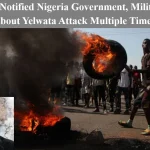
Two years into Sudan’s devastating war, analysts warn that the conflict is not simply a collapse of order but a system in which violence itself has become profitable.
The ongoing fighting between the Sudanese Armed Forces (SAF) and the Rapid Support Forces (RSF), which erupted in April 2023, stems from a militarized economy built on illicit trade, foreign backing, and resource exploitation.
The RSF, evolved from the Janjaweed militias, now operates as a powerful economic actor controlling major portions of Sudan’s gold industry, producing nearly ten tons in 2024 alone. This wealth funds its military operations and fuels incentives to sustain conflict rather than negotiate peace. External patrons, including Gulf intermediaries and suppliers of Chinese-made weapons and drones, have further entrenched the RSF’s position and escalated civilian suffering.
The human cost is catastrophic: tens of thousands dead, more than ten million displaced, and repeated attacks on hospitals and aid workers, according to the World Health Organization.
Experts argue that humanitarian aid, while essential, cannot end a war driven by profit. They call for stronger enforcement of UN arms embargoes, tighter controls on illicit gold exports, asset freezes, and coordinated international action to disrupt financial and logistical networks sustaining the war.
The article stresses that those who profit from the conflict; whether local commanders or foreign intermediaries must be held accountable through sanctions, prosecutions, and diplomatic pressure.
Any lasting peace, it concludes, must dismantle Sudan’s war economy and empower credible civilian-led institutions. Ending the violence requires making war unprofitable and restoring governance built on accountability rather than extraction.

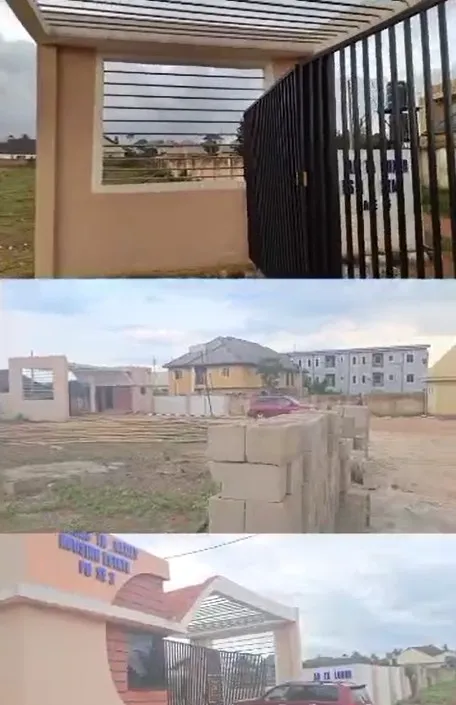
Price:
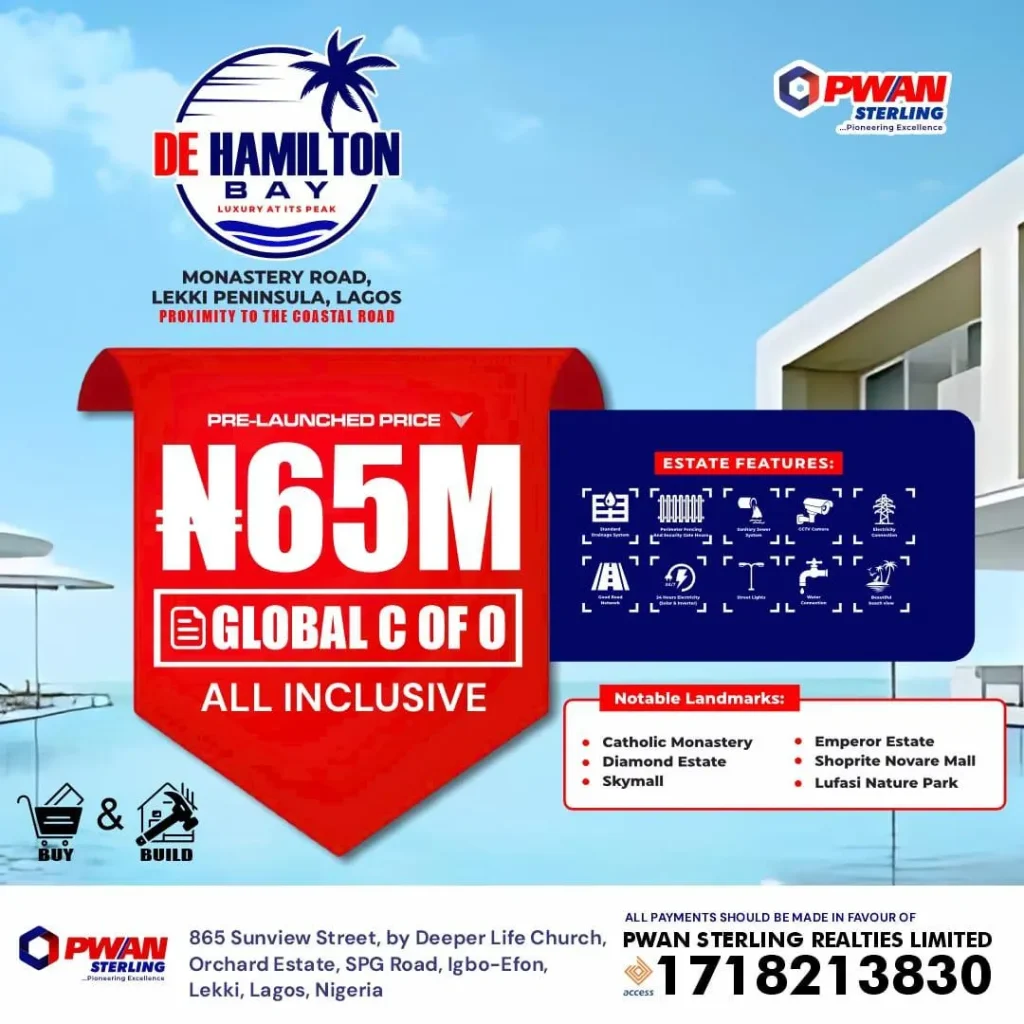
Location: Monastery Road, Lekki Peninsular, Lagos
Price: #65 Million Naira
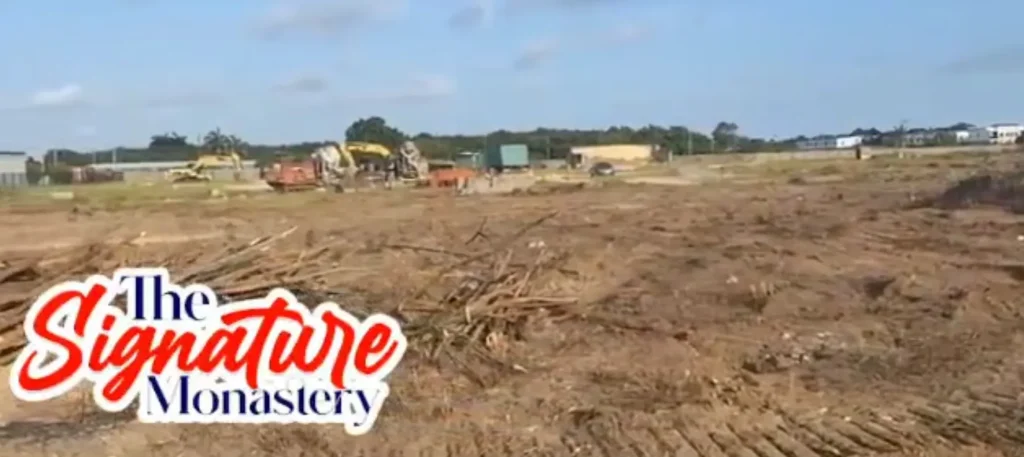
Lekki–Epe Expressway (Just by Shoprite Sangotedo)
Price: #100 million Naira
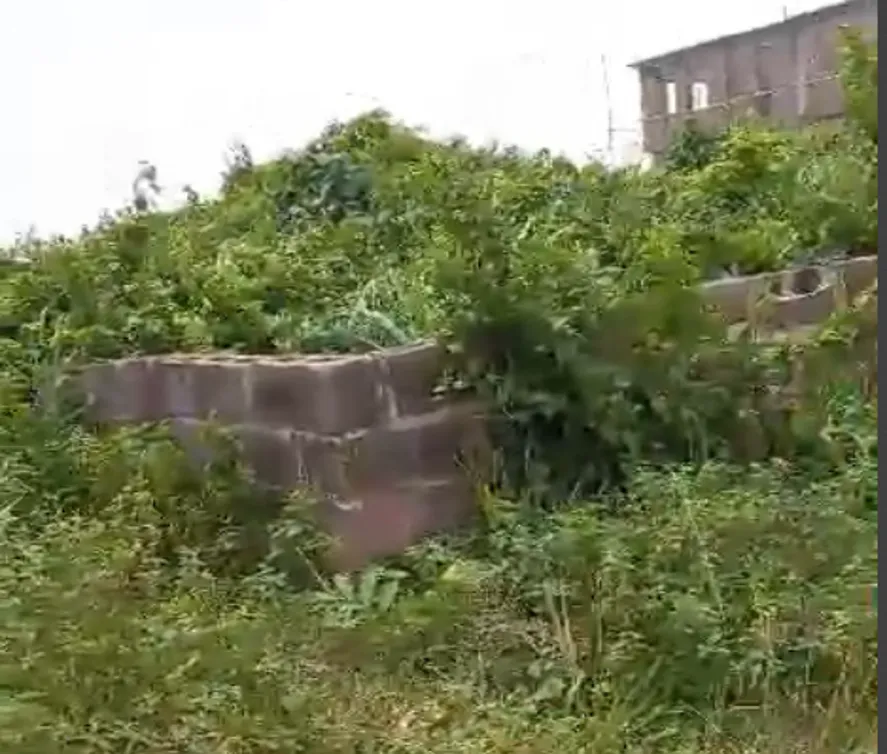
Gudugba-Ogun State – Contac t Usshort drive from Isheri, Lagos State
Price: #20 Million Naira /Negotiable