Trump Says, US to Pursue Sudan Peace Efforts at Saudi Request
Post By Diaspoint | November 20, 2025

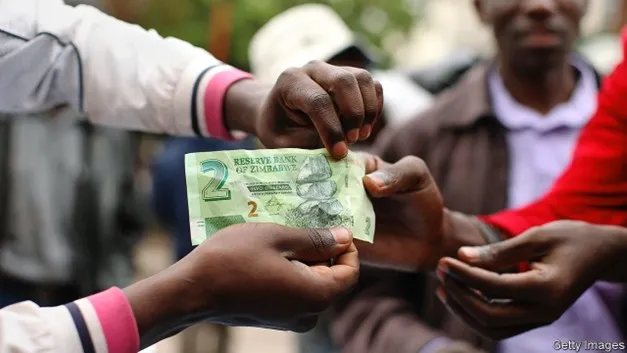
Zimbabwe stands at a familiar crossroads, caught between the comfort of dependency and the courage of sovereignty.
The nation’s plan to phase out the US dollar by 2030 in favor of its gold-backed ZiG currency has been met not with enthusiasm for self-determination, but with warnings from financial elites afraid to “rock the boat.”
Imara Asset Management, Zimbabwe’s largest independent asset manager, cautions that abandoning the dollar could jeopardize the rare spell of economic stability the country is currently enjoying.
Their argument that is rooted in the convenience of transacting in a foreign currency reveals a broader African hesitation: a reluctance to trust in homegrown monetary systems and a dependence on external validation for economic success.
The use of the US dollar now accounts for roughly 85% of domestic transactions in Zimbabwe. It has indeed made it easier for companies and individuals to plan and transact.
Yet this convenience masks a deeper vulnerability, the continued subordination of national economic policy to the rhythms of another nation’s currency. For a continent that once fought bitterly for political independence, the same zeal has rarely been shown in pursuit of economic freedom.
Ironically, Zimbabwe’s current stability; a product of booming gold, platinum, and tobacco exports, and rising remittances from its global diaspora is precisely the kind of foundation that could sustain a sovereign currency.
The ZiG, introduced in April 2024 as the sixth attempt at a viable local currency, has shown rare resilience, weakening only 3% against the dollar so far this year. That modest success, however, is treated with suspicion rather than pride.
The fear voiced by asset managers like Imara is not without reason; Zimbabwe’s economic fragility is real, burdened by $21 billion in debt and recurring fiscal pressures. But the greater risk may lie in the continued surrender of monetary control; a quiet perpetuation of the colonial legacy that taught African economies to rely on external currencies for internal confidence.
Zimbabwe’s debate over the dollar is more than a policy discussion. It is a mirror reflecting Africa’s broader crisis of courage. Until nations on the continent are willing to take calculated risks for monetary sovereignty, their economic narratives will remain written in the currencies of others.


Price:
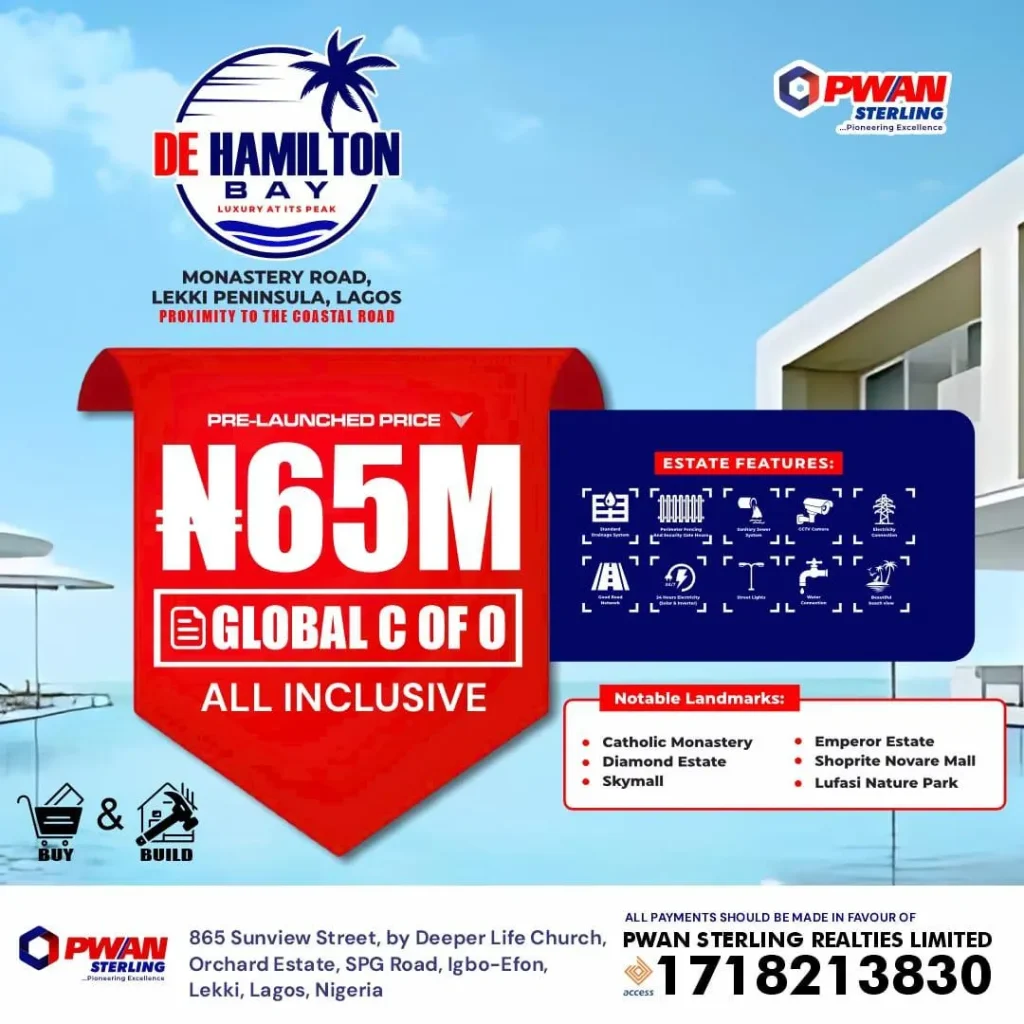
Location: Monastery Road, Lekki Peninsular, Lagos
Price: #65 Million Naira

Lekki–Epe Expressway (Just by Shoprite Sangotedo)
Price: #100 million Naira

Gudugba-Ogun State – Contac t Usshort drive from Isheri, Lagos State
Price: #20 Million Naira /Negotiable