US Agency Says: “We Notified FG, Military, DSS About Yelwata Attack Multiple Times”
Post By Diaspoint | November 6, 2025
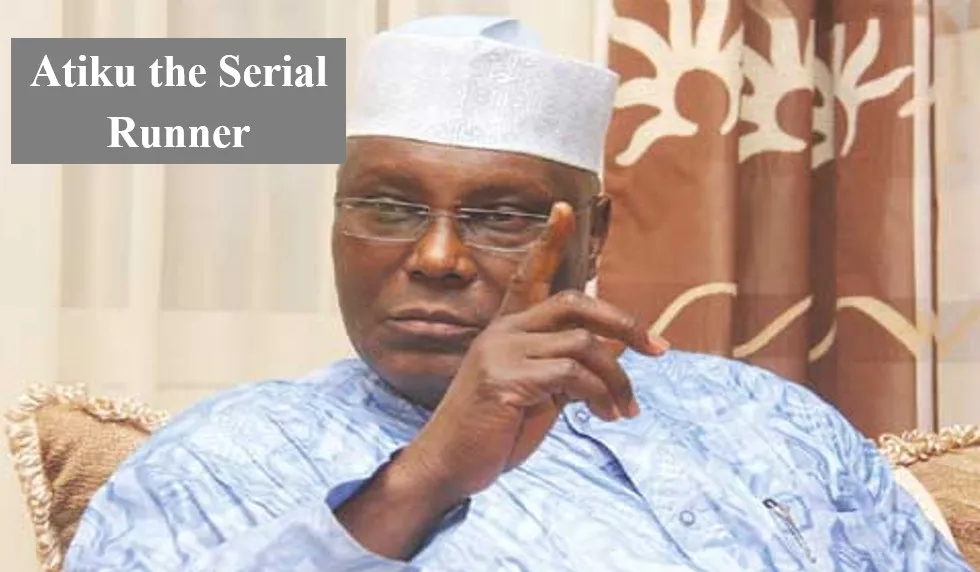
Former Vice President Atiku Abubakar has announced that he is willing to withdraw from the 2027 presidential race if a younger, more vibrant, and widely acceptable candidate emerges from his party, the African Democratic Congress (ADC).
However, Atiku’s remarks have sparked mixed reactions across the country. Many Nigerians question who he considers a “younger and more vibrant” successor, with critics accusing him of making a strategic statement to maintain political relevance.
Others believe his comments are aimed at drawing in Labour Party’s Peter Obi, seen by many as a leading opposition figure, before using his vast political network and resources to dominate any coalition arrangement, an approach he has been accused of employing in previous elections.
On Nigeria’s economic challenges, Atiku blamed President Bola Tinubu’s administration for worsening poverty and hardship through what he described as the “ill-timed and poorly managed” removal of the fuel subsidy. According to him, the decision taken without adequate plans to cushion the effects has pushed millions deeper into poverty.
Despite his renewed promises, Atiku faces growing criticism over his long political career and repeated bids for the presidency since 1999. Many Nigerians view him as a symbol of the old political order, arguing that his history of party-switching and allegations of corruption have eroded public trust.
For some observers, the only thing likely to end Atiku’s presidential ambitions is another electoral defeat.
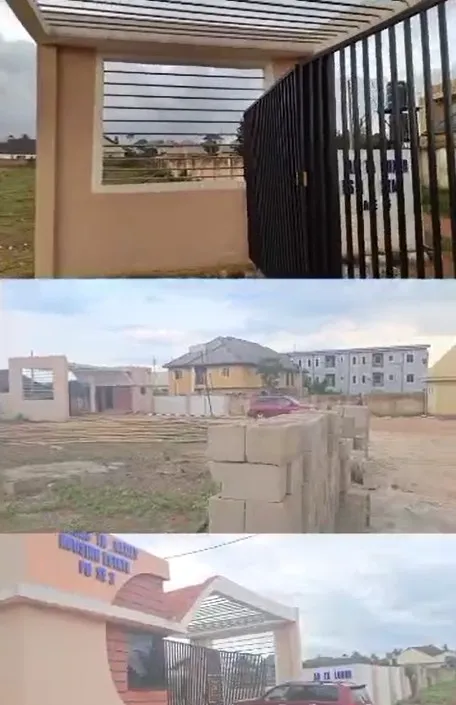
Price:
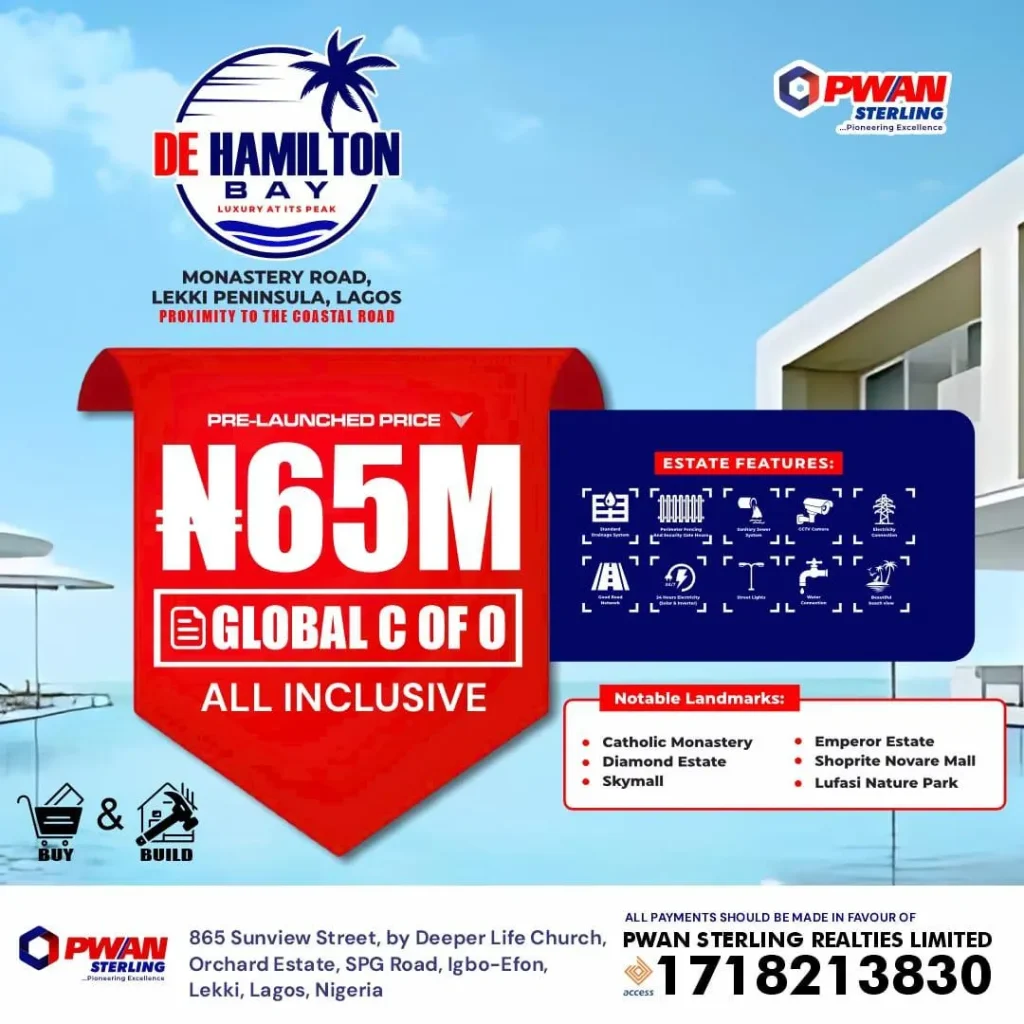
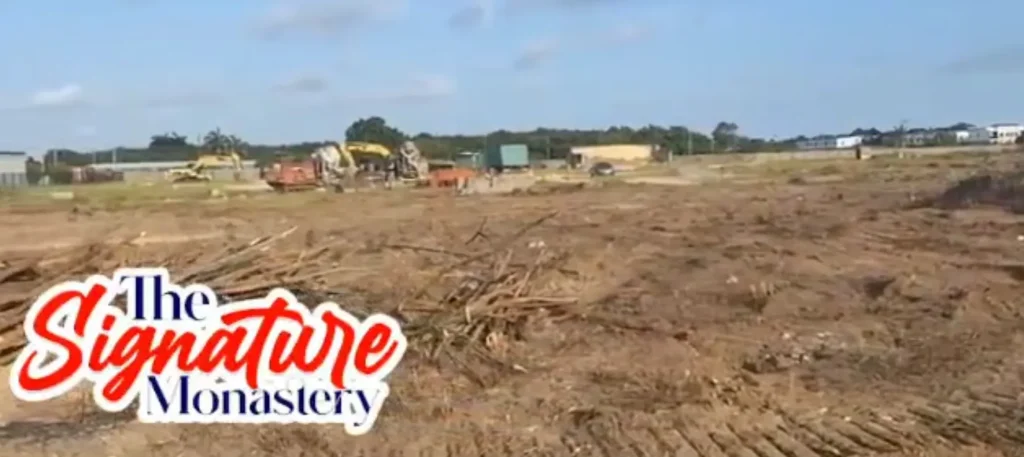
Location: Monastery Road, Lekki Peninsular, Lagos
Price: #65 Million Naira
Lekki–Epe Expressway (Just by Shoprite Sangotedo)
Price: #100 million Naira
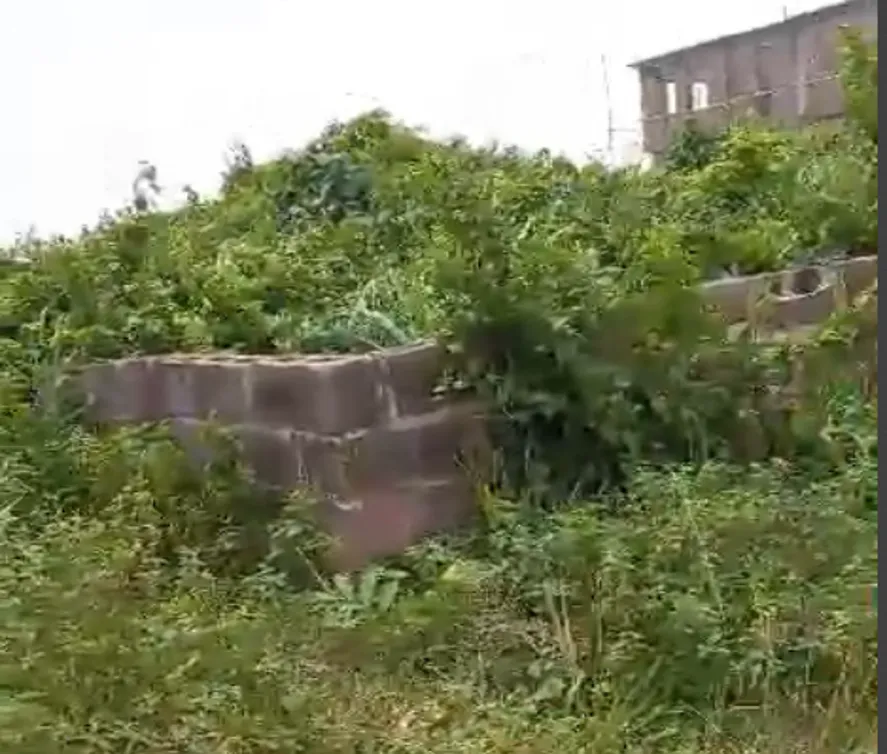
Gudugba-Ogun State – Contac t Usshort drive from Isheri, Lagos State
Price: #20 Million Naira /Negotiable