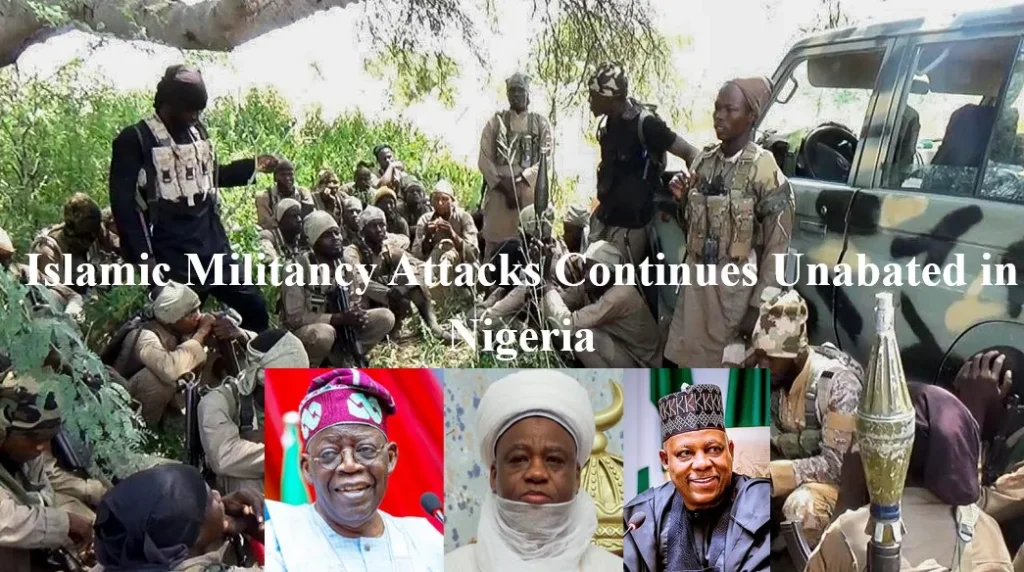
US Agency Says: “We Notified FG, Military, DSS About Yelwata Attack Multiple Times”
Post By Diaspoint | November 6, 2025

Despite the Nigerian government’s persistent attempts to project an image of improving security, recent events continue to expose the grim reality of escalating violence across the country.
The administration’s frequent reassurances and optimistic security reports appear increasingly detached from the lived experiences of citizens and the scrutiny of the international community.
Jihadists affiliated with the Islamic State West Africa Province (ISWAP) have killed at least seven Nigerian soldiers in a coordinated attack on an army base in Ngamdu, Borno State, military sources told AFP.
The militants launched the assault early Friday using rocket-propelled grenades and explosive-laden drones, destroying several military vehicles.
A confidential military memo cited by AFP reported six soldiers killed and six injured, though the army officially confirmed four deaths, claiming the attackers were repelled with reinforcements.
The assault also led to the temporary closure of the Maiduguri–Damaturu highway as troops worked to remove explosives planted by the insurgents.
ISWAP and rival group Boko Haram have intensified attacks in recent months after a period of relative calm. The 16-year insurgency in Nigeria’s northeast has displaced over two million people and continues to undermine government claims of improved security in the region.
The prolonged conflict has displaced nearly two million people across Nigeria’s northeast and spilled into neighbouring countries, prompting the formation of a regional military coalition to combat Islamist insurgents.
However, concerns persist that the Muslim-dominated Nigerian government has downplayed the extent of the crisis.
Critics accuse the authorities of failing to confront evidence that extremist groups are increasingly armed with superior weaponry, some allegedly diverted from national military supplies.
The government’s continued denial, observers say, risks deepening insecurity and eroding public trust in its ability to protect citizens.

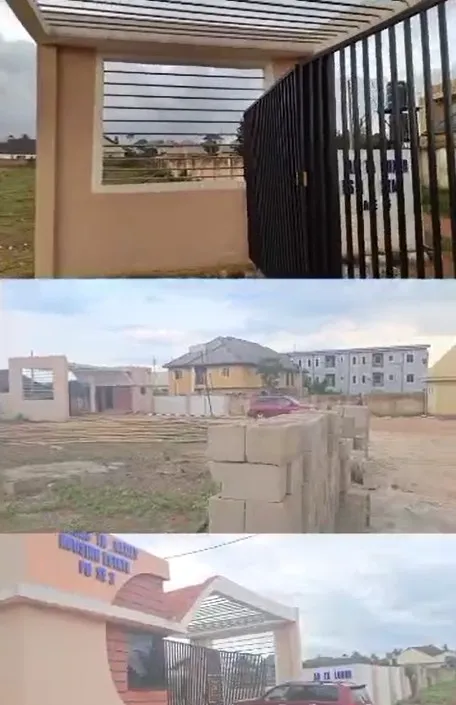
Price:
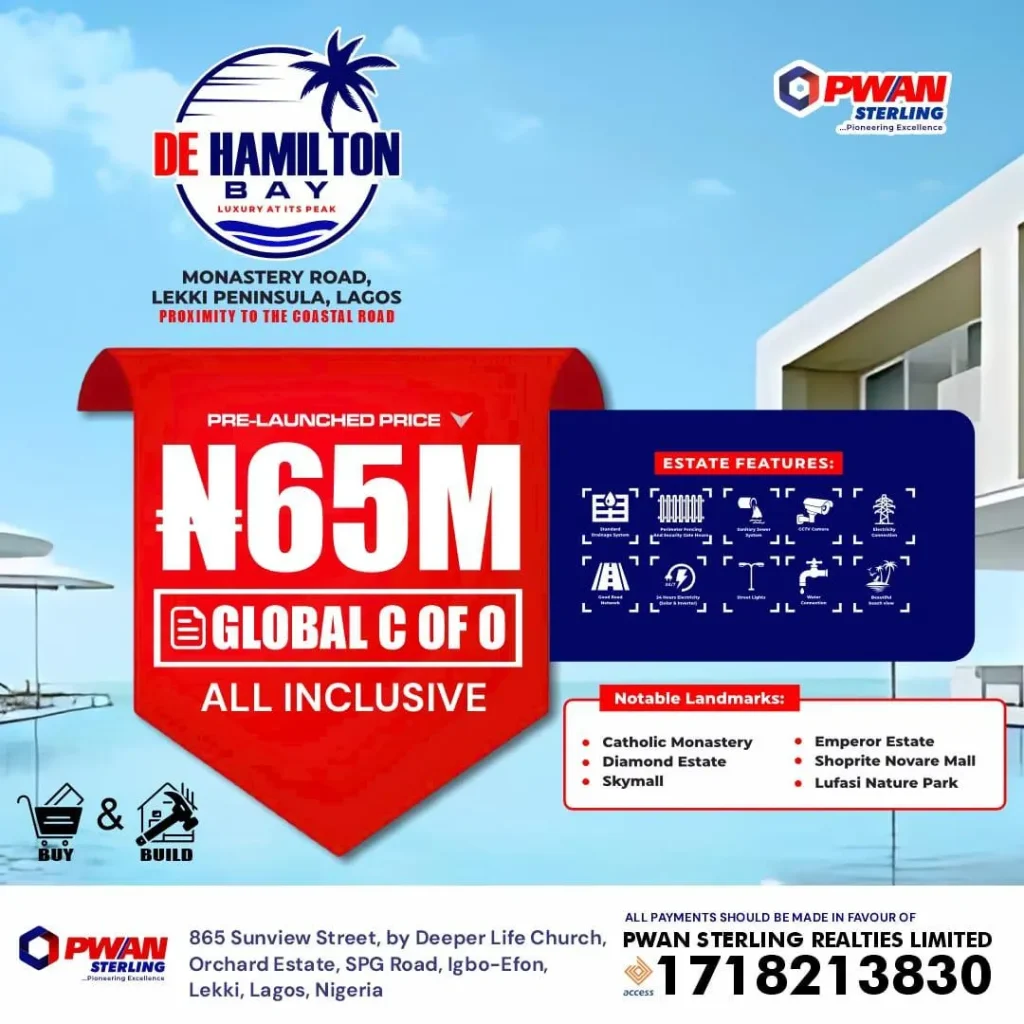
Location: Monastery Road, Lekki Peninsular, Lagos
Price: #65 Million Naira
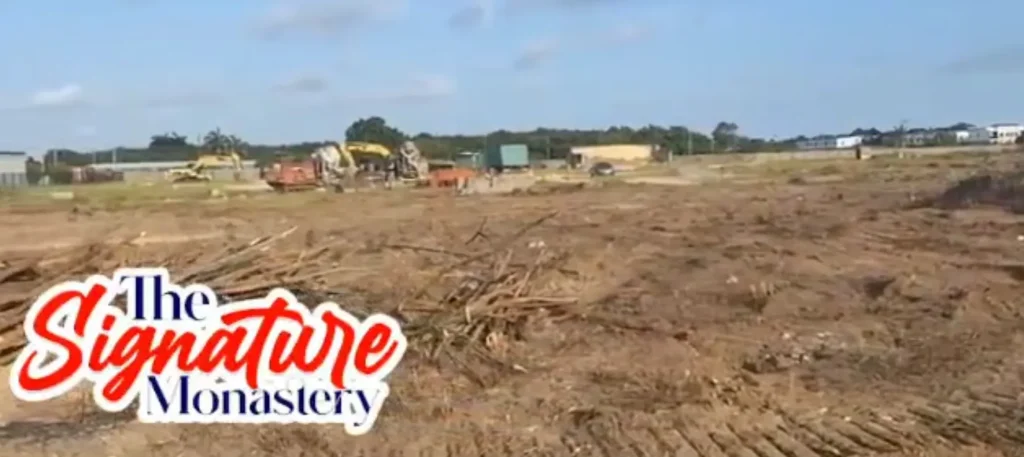
Lekki–Epe Expressway (Just by Shoprite Sangotedo)
Price: #100 million Naira
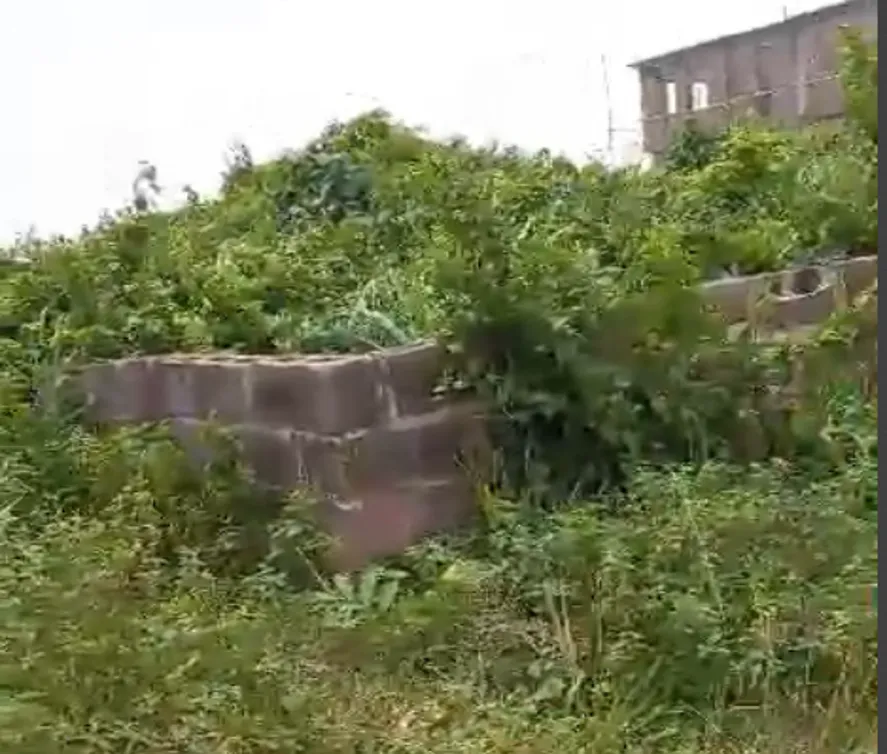
Gudugba-Ogun State – Contac t Usshort drive from Isheri, Lagos State
Price: #20 Million Naira /Negotiable