Tanzania’s President Samia Hassan Wins Disputed Election, Claiming 97% of Vote
Post By Diaspoint | November 1, 2025

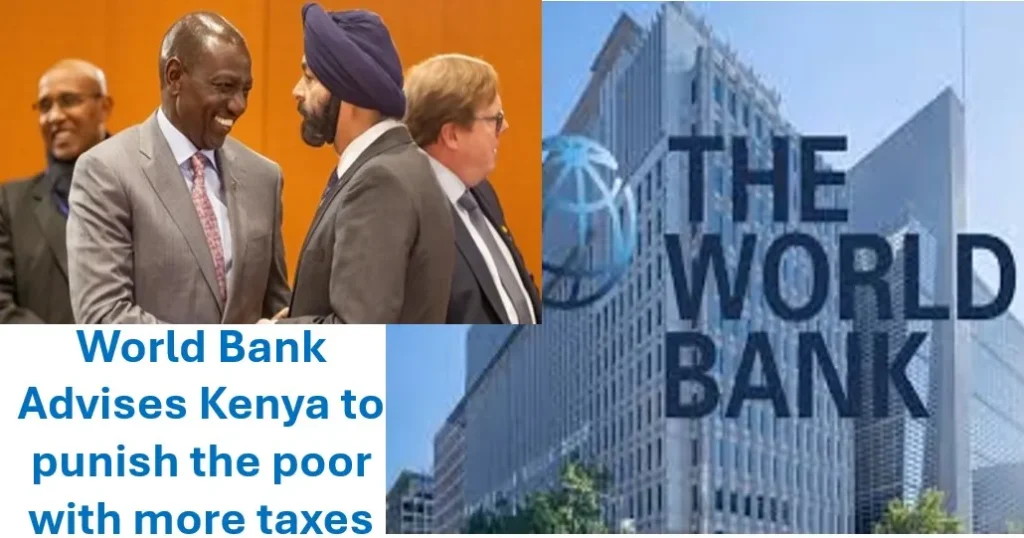
The World Bank has called on the Kenyan government to increase tax collection in order to clear more than KSh 500 billion in pending bills owed to contractors, suppliers, and county governments.
In its latest economic update released this week, the Bank warned that Kenya’s growing stock of unpaid obligations is straining service delivery and undermining private sector confidence. It urged the government to prioritize fiscal discipline and expand its domestic revenue base to restore credibility in public finances.
The World Bank noted that while Kenya has made progress in implementing tax reforms, revenue mobilization remains below potential. It recommended stronger enforcement measures, widening the tax net, and cutting unnecessary expenditures to ease the country’s cash flow pressures.
Treasury officials have acknowledged the pending bills challenge, saying the government is developing a comprehensive payment plan and exploring measures to enhance revenue efficiency without stifling economic growth.
The warning comes amid rising public concern over delayed payments and ballooning public debt, which has pushed Kenya’s debt service obligations to record levels.
This development offers little comfort to ordinary Kenyans, already burdened by rising prices and economic hardship. Higher taxes risk deepening poverty and widening inequality, as citizens shoulder the cost of fiscal mismanagement.
History shows that such World Bank prescriptions often ignite public unrest and political instability across Africa. It is time for African leaders to rethink their dependence on these neo-colonial financial institutions, whose policies too often prioritize debt repayment over development, and control over true economic sovereignty.

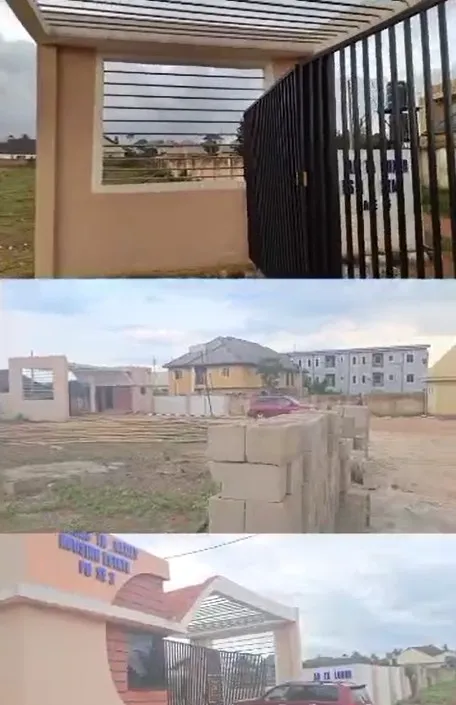
Price:

Location: Monastery Road, Lekki Peninsular, Lagos
Price: #65 Million Naira
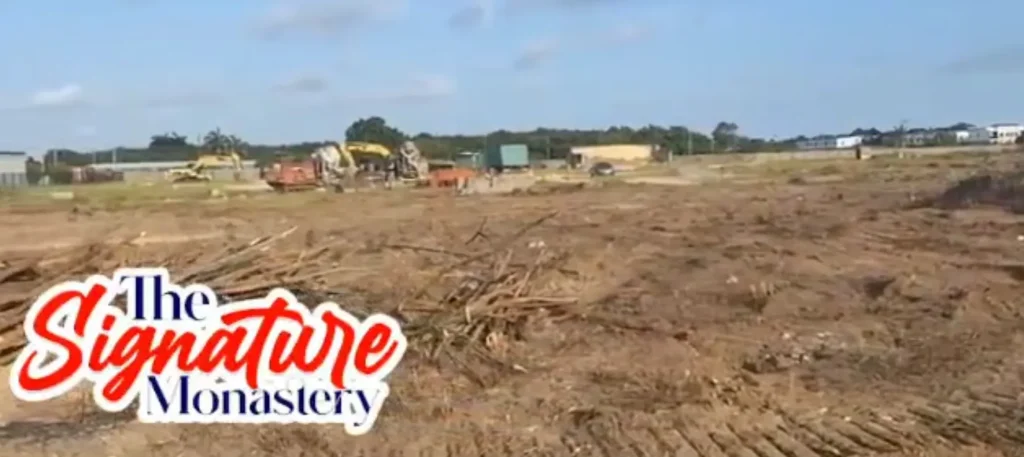
Lekki–Epe Expressway (Just by Shoprite Sangotedo)
Price: #100 million Naira
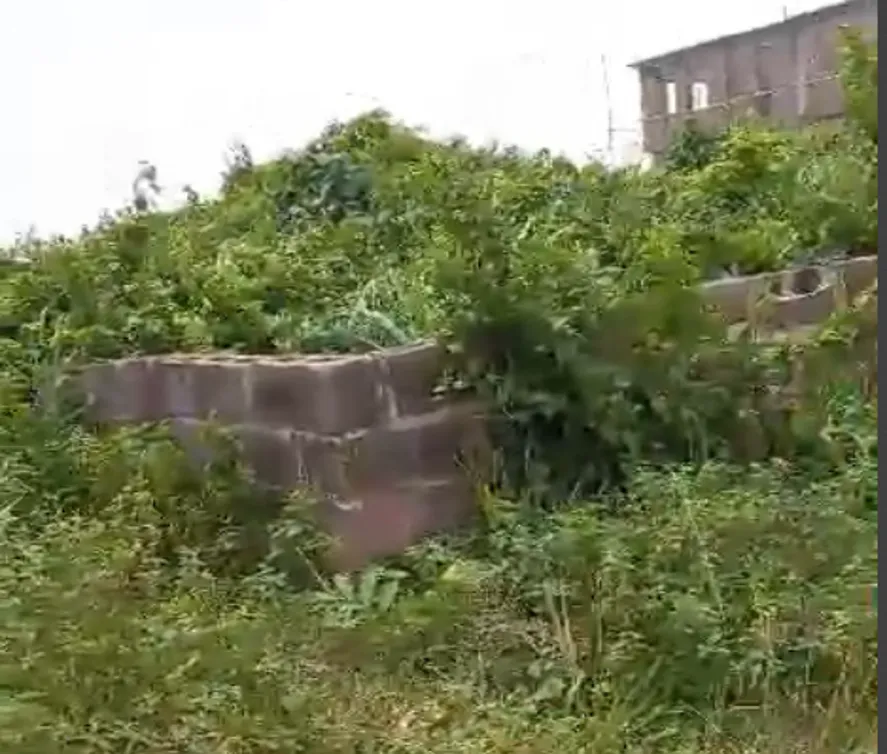
Gudugba-Ogun State – Contac t Usshort drive from Isheri, Lagos State
Price: #20 Million Naira /Negotiable