Nigerian Minister of Science & Technology’s Forged University Certificate Scandal: A Symptom of a Rotten System
Post By Diaspoint | October 11, 2025
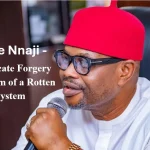
Kenya’s recent crackdown on protests has raised concerns that East African governments are aligning to suppress dissent, echoing repressive trends long associated with Uganda and Tanzania.
Once praised as a model of democracy, Kenya has faced criticism after police killed at least ten protesters during anti-government demonstrations, while authorities sought to restrict media coverage.
Interior Minister Kipchumba Murkomen defended police actions as necessary to prevent “an attempted coup,” but the Law Society of Kenya condemned the use of “brute force” and “unnecessary aggression.”
The unrest follows the death in police custody of blogger Albert Ojwang, fueling public anger over police brutality and government intolerance toward criticism. Human rights advocates warn that abductions of activists and journalists are becoming increasingly common.
Observers say Kenya risks following the path of Uganda and Tanzania, where opposition leaders face imprisonment and intimidation. In Uganda, opposition figure Kizza Besigye remains in detention on treason charges, while in Tanzania, opposition leader Tundu Lissu and activist Maria Sarungi Tsehai have faced arrests and abductions.
Rights campaigners, including Kenya’s Martha Karua, warn of a regional “democratic crisis,” accusing the three governments of colluding to silence critics across borders. Incidents such as the cross-border arrest of Besigye in Nairobi and the detention of Kenyan and Ugandan activists in Tanzania have deepened fears of coordinated repression.
Despite international concern, regional and global bodies, including the African Union and United Nations, have been largely silent. Activists now argue that as governments unite to stifle dissent, citizens across East Africa must equally unite in defending democracy and human rights.



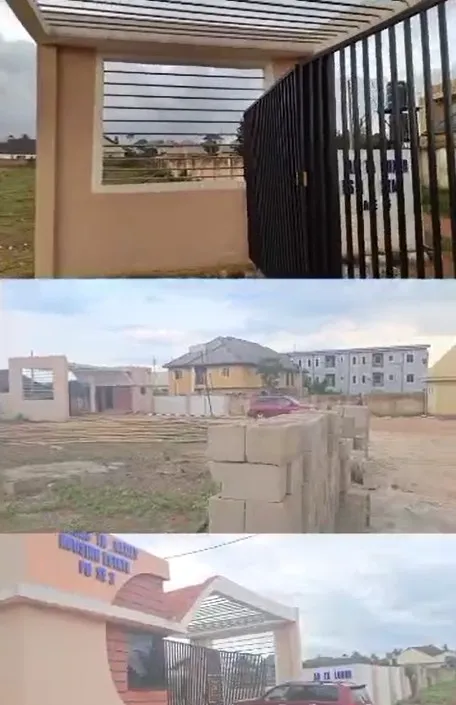
Price:

Location: Monastery Road, Lekki Peninsular, Lagos
Price: #65 Million Naira
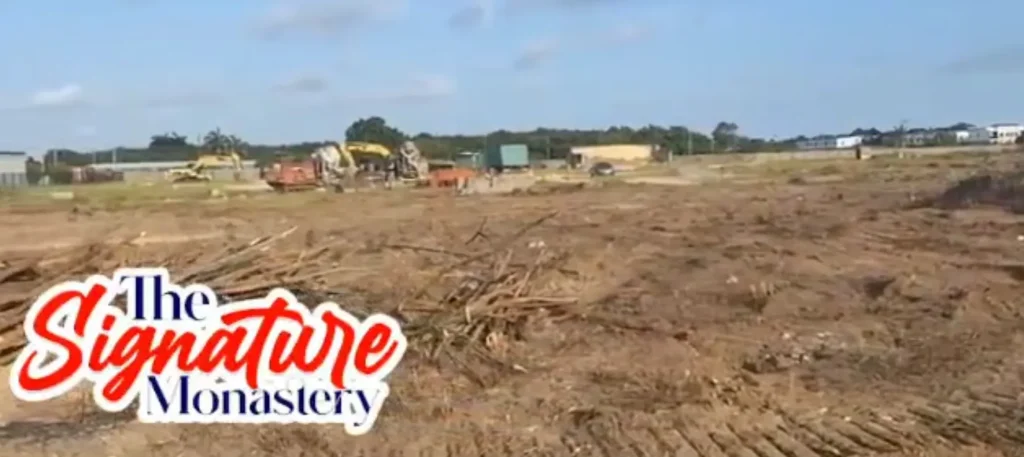
Lekki–Epe Expressway (Just by Shoprite Sangotedo)
Price: #100 million Naira
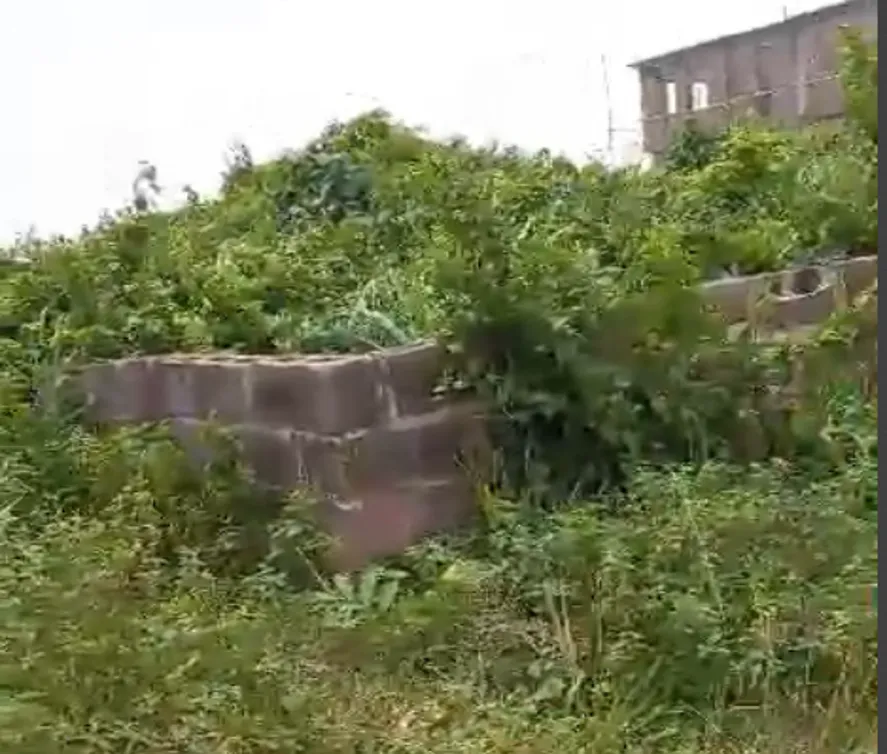
Gudugba-Ogun State – Contac t Usshort drive from Isheri, Lagos State
Price: #20 Million Naira /Negotiable