EU Announces €75 Million Grant to Support Development in Egypt
Post By Diaspoint | October 22, 2025

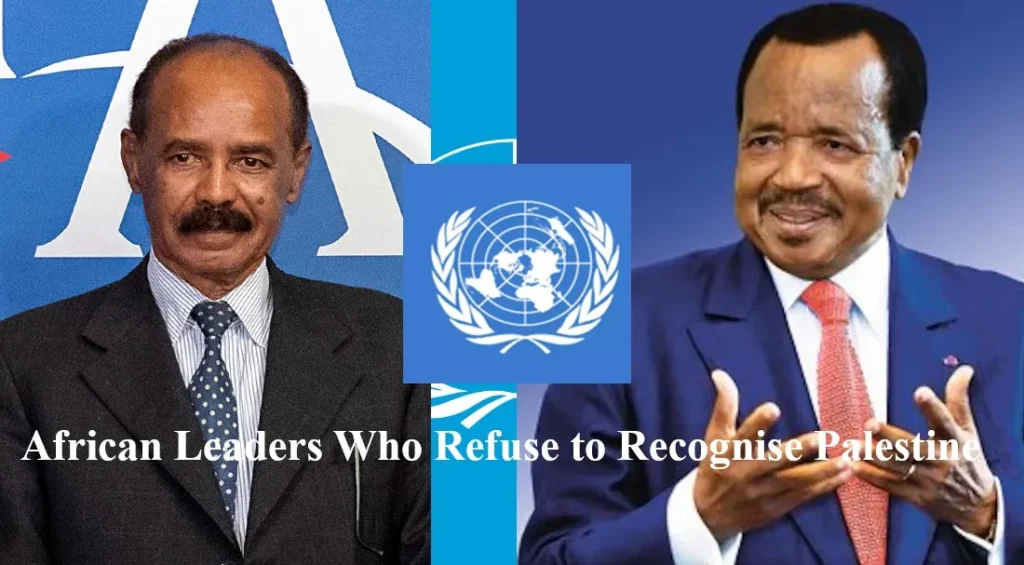
While the global push to recognise Palestine gains traction with over 80% of UN member states now on board, two African countries stand apart; Cameroon and Eritrea.
Unlike most African nations, which have long supported Palestinian statehood, these two governments maintain close ties with Israel, driven by strategic survival rather than ideology.
Cameroon:
Eritrea:
Regional Context:
Analysts’ View:
Experts argue both countries are prioritising regime survival over principles or continental unity. Their dependence on Israel for security and diplomacy keeps them from aligning with the broader African or global consensus on Palestine.
In short, Cameroon and Eritrea’s refusal to recognise Palestine reflects political pragmatism, not a rejection of Palestinian rights — but it leaves them isolated in Africa’s diplomatic landscape.




Price:
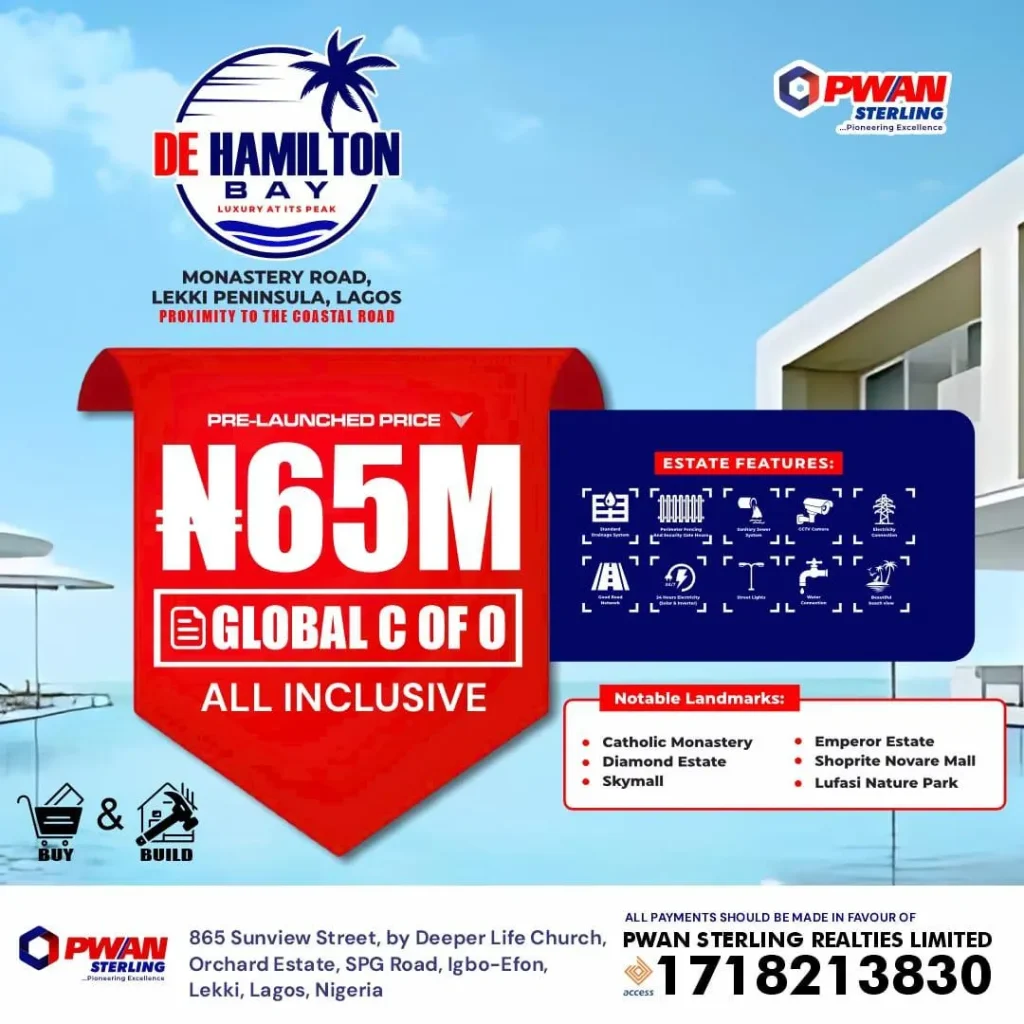
Location: Monastery Road, Lekki Peninsular, Lagos
Price: #65 Million Naira

Lekki–Epe Expressway (Just by Shoprite Sangotedo)
Price: #100 million Naira

Gudugba-Ogun State – Contac t Usshort drive from Isheri, Lagos State
Price: #20 Million Naira /Negotiable